
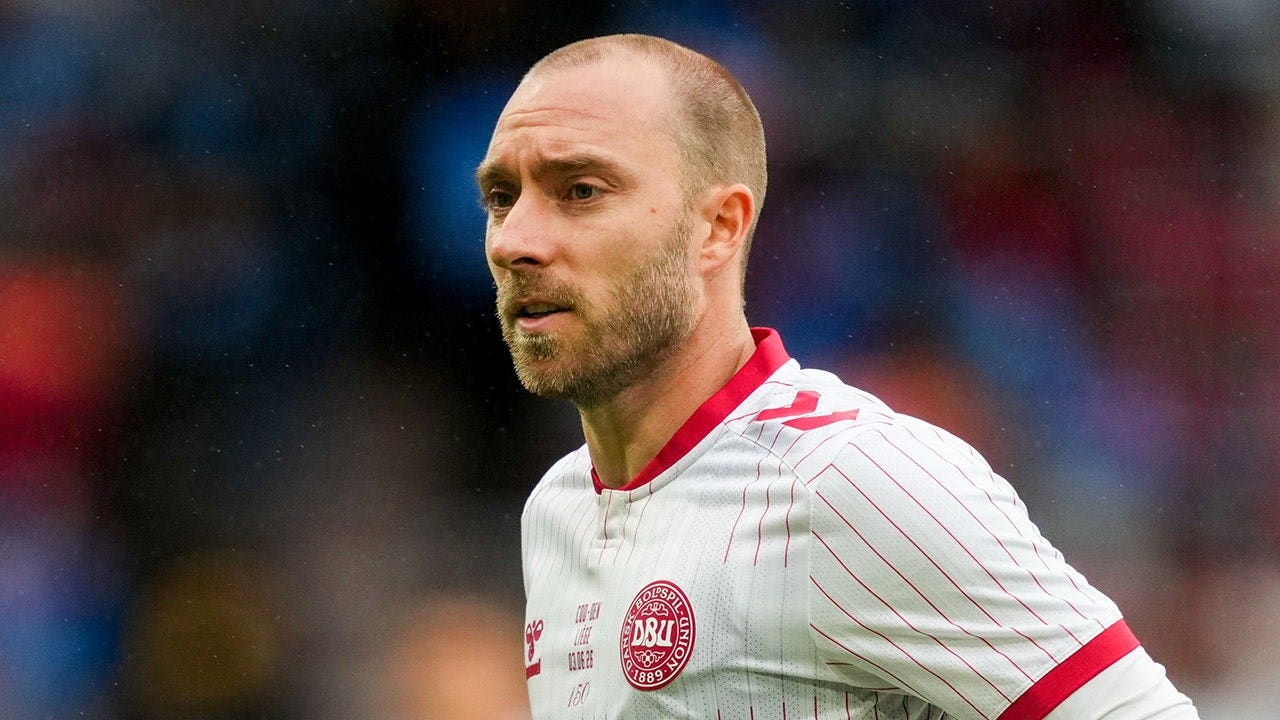
A sudden medical emergency stopped a friendly between Denmark and Ukraine when Christian Eriksen collapsed on the pitch, leaving everyone in the stadium holding their breath. “Denmark’s Christian Eriksen collapsed during a friendly match against Ukraine, but the Danish Football Union said he is conscious and feeling well given the circumstances.” Medics moved in fast and the scene was quiet except for the clinical urgency of the treatment being delivered.
Players immediately signaled for help and stewards kept space while on-field doctors worked quickly and professionally. Scenes like this are raw reminders that elite sport can still hinge on a single medical moment. Officials prioritized his care and arranged rapid transport to a nearby hospital for further checks.
The Danish Football Union has been the main source for updates, stressing that medical teams stabilized him and that he was conscious after the incident. Hospital staff are now running the standard battery of tests to determine the cause and scope of the problem. Those checks will guide any treatment and the timeline for next steps.
This is not the first time Eriksen has faced a sudden health crisis on the pitch; he famously suffered a cardiac arrest during Euro 2020 and underwent emergency treatment before returning to professional play. His comeback has been a remarkable chapter in modern football medicine and player resilience. Still, each episode demands fresh caution and a careful medical review.
Modern matches are staffed with more medical gear and training than ever, including portable defibrillators and teams ready to deliver life-saving care within seconds. That response protocol likely played a major role in the way the incident was handled. Rapid intervention remains the single most important factor in outcomes for on-field cardiac events.
News of the incident produced immediate messages of concern and support from colleagues, fans and football bodies across the continent. Those reactions are genuine and reflect how the game pulls together in moments of crisis. The flood of good wishes will matter less than the medical facts, but they do show the human side of sport.
Match officials halted play and moved to manage the situation professionally while medical staff completed their work on the field. Organizers then prioritized Eriksen’s safe transfer to hospital over any competitive considerations. Decisions about resuming the fixture were secondary to ensuring he received thorough medical attention.
Looking ahead, any return to competitive action will hinge on detailed cardiovascular testing and specialist consultation. Teams, national associations and independent doctors will weigh risks carefully before suggesting a timeline. Player health and long-term welfare must drive every decision about training and matches.
Privacy for the player and his family is also a priority; official channels will provide updates as clinical results become available. Speculation on timelines or outcomes is unhelpful until doctors outline findings and treatment options. Trustworthy information will come from medical teams and the Danish Football Union.
Incidents like this sharpen focus on preparedness across all levels of the game, from grassroots pitches to international stadiums. Ensuring staff training, equipment readiness and clear emergency plans can save lives and give athletes the best chance of recovery. Fans and clubs can show support by respecting the process and avoiding rumor until facts arrive.
For now, the football community is watching for further information and wishing Christian Eriksen the best as he receives care. Medical updates will determine what happens next both for him and potentially for how future protocols are managed. The priority remains his health and a careful, evidence-driven approach to any decisions about returning to the sport.
