
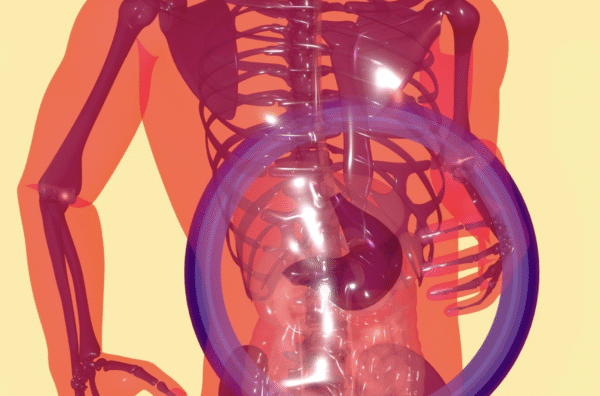
Chinese researchers are pioneering a new frontier in robotics with the development of a humanoid robot capable of simulating pregnancy. This groundbreaking project, spearheaded by Guangzhou-based Kaiwa Technology, is seen as a potential game-changer for those facing infertility or wishing to avoid the physical demands of pregnancy. The innovative device features an artificial womb, an advanced incubation pod designed to replicate the conditions of a human uterus throughout the entire gestation process.
Priced at approximately $14,000, the robot is positioned as an affordable solution for individuals and couples eager to experience parenthood. The initiative is led by Zhang Qifeng, a visionary who earned his PhD from Singapore’s Nanyang Technological University. Since its founding in 2015, Kaiwa Technology has been at the forefront of developing service and reception robots and now aims to revolutionize reproductive technology.
The artificial womb utilizes amniotic fluid and nutrient hoses to nurture fetal development, marking a significant leap in existing research. This technology builds on studies like the 2017 experiment at the Children’s Hospital of Philadelphia, where scientists successfully nurtured premature lambs in a “biobag” environment. Despite these advancements, experts caution that fully replicating human pregnancy remains a complex challenge due to intricate hormonal and immune interactions.
Zhang Qifeng introduced this ambitious project at the 2025 World Robot Conference in Beijing, drawing both excitement and skepticism. With over 100 million views on Weibo, the project has captured the public’s imagination, highlighting its potential societal impact. Proponents of the technology argue it could liberate women from the physical burdens of pregnancy while offering new hope to those struggling with infertility.
However, the initiative also raises significant ethical concerns, with critics questioning the implications for fetal-maternal bonding and the ethical sourcing of reproductive materials. Infertility rates in China have climbed from 11.9% in 2007 to 18% in 2020, underscoring the urgency of finding new solutions. In response to these rising rates, cities like Beijing and Shanghai have expanded medical insurance coverage to include procedures such as in vitro fertilization.
Zhang believes this robotic technology could play a crucial role in addressing demographic challenges by providing new reproductive options. The project team is actively engaging with authorities in Guangdong Province to navigate the complex legal and ethical landscape surrounding this innovation. While Zhang has shared limited details on the fertilization and embryo implantation processes, the project continues to advance rapidly.
As China pushes the boundaries of reproductive technology, comparisons have been drawn to Aldous Huxley’s dystopian vision in “Brave New World,” where artificial reproduction redefines family structures. Despite these parallels, the project’s primary aim is to tackle modern infertility issues while sparking important ethical discussions. The implications of such technology are profound, potentially reshaping societal norms around reproduction.
With the prototype expected to launch in 2026, the world watches closely as this ambitious endeavor unfolds. As the technology progresses, it raises vital questions about the ethical boundaries of human innovation. The potential benefits are enormous, but so too are the challenges that lie ahead.
