
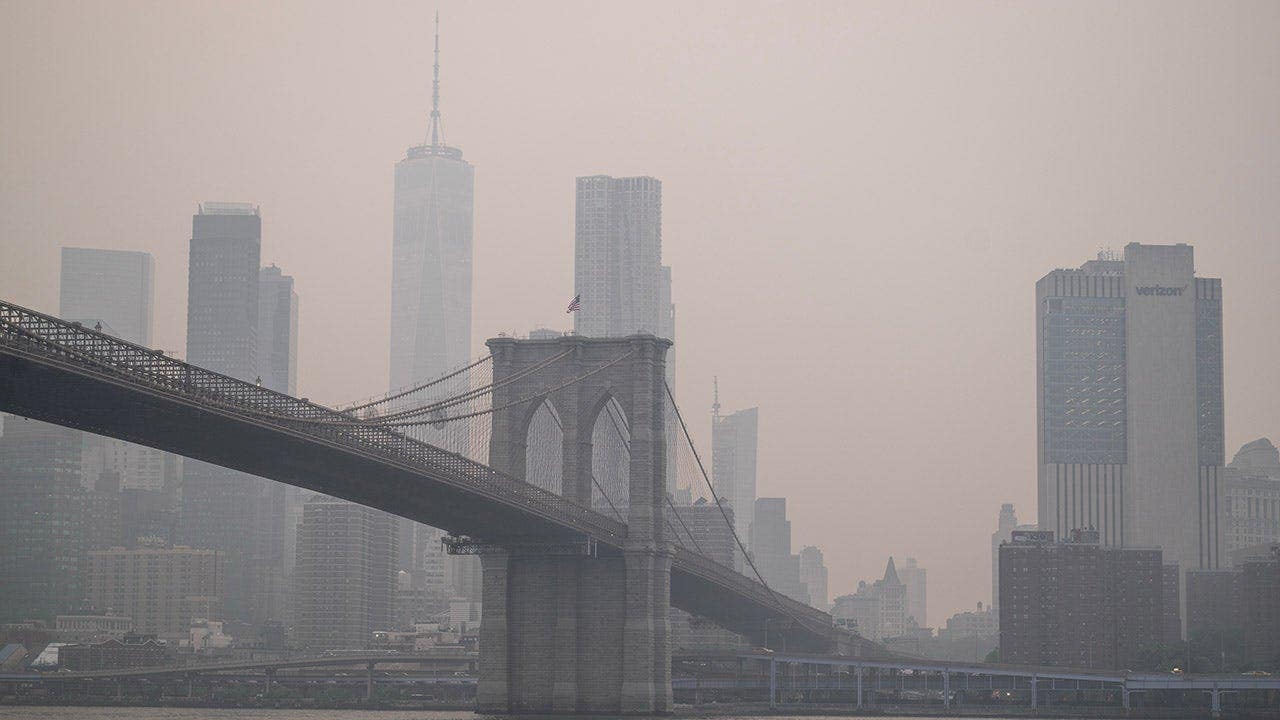
Canadian wildfire smoke has been turning clear skies into a problem for millions of Americans, and the fallout has stretched from the Northeast to the Midwest. Air quality alerts, indoor-only days, and cancelled summer plans have become the new normal whenever smoke drifts south, putting older adults, children, and anyone with breathing issues at greater risk.
The real issue is that this is not just a weather story. It is a forest management story, a public health story, and a policy story all rolled into one, and the country keeps paying for delays that make fires worse before they ever start.
One big part of the problem is overgrown forests packed with dead trees and thick underbrush. When land is left unmanaged for too long, a single lightning strike or stray spark can explode into something far larger and far more dangerous than it needed to be.
That is why the push for prevention matters so much. Instead of waiting until smoke is already drifting across state lines, lawmakers are being urged to back practical measures that help states reduce fuel buildup, respond faster, and recover smarter after fires hit.
Under the Clean Air Act, the EPA regulates several major pollutants, many of which show up in wildfire smoke. That framework matters, but it does not solve the root problem if the same conditions keep producing giant fires year after year.
Two bipartisan bills have been presented as part of the answer. The FIRE Act is aimed at letting states use prescribed burns without getting punished for taking preventive action, while also pushing the EPA to look at regional impacts when one wildfire affects several states at once.
That approach makes sense because prevention is cheaper and safer than cleanup. Prescribed burns, when done carefully, can clear out dangerous fuel loads and lower the odds of the kind of catastrophic blaze that fills the sky with smoke for days or even weeks.
The FENCES Act takes a different but related angle by dealing with foreign emissions that American states cannot control. Its goal is simple: states should not be slapped with compliance penalties for pollution that started outside U.S. borders, especially when that pollution is tied to Canadian wildfire smoke.
That point hits home for communities and businesses that are already dealing with the consequences. Schools, families, workers, and even sports leagues have had to adjust plans when the air turns unhealthy, and nobody benefits from pretending those impacts are imaginary.
There is also a fairness issue here. When smoke from another country worsens air quality in the United States, punishing American states for it does nothing to stop the fires, protect public health, or improve the forests that need attention.
America has already seen how destructive wildfires can be on their own soil. Homes burn, businesses close, public lands are damaged, watersheds get polluted, and the aftermath can linger long after the flames are out.
And the damage does not stop with the fire line. Erosion, flooding, habitat loss, and poor water quality can follow, which means the cost of inaction keeps piling up long after the headlines move on.
That is why the current smoke crisis is more than an annoyance. It is a warning that weak forest management and slow-moving bureaucracy have real consequences for real people, including families who had nothing to do with starting the mess in the first place.
If lawmakers are serious about cleaner air, they need to get serious about stopping the fires that create the smoke. Better forest management, smarter state authority, and less federal red tape would go a long way toward keeping Americans from breathing someone else’s disaster.

1 Comment
If they really wanted to stop wild fires they should start to remove the brush that is the main problem cause without all the brush the wild fire would not be so wild. This is the way to really prevent a huge wild fire remove the brush! !