
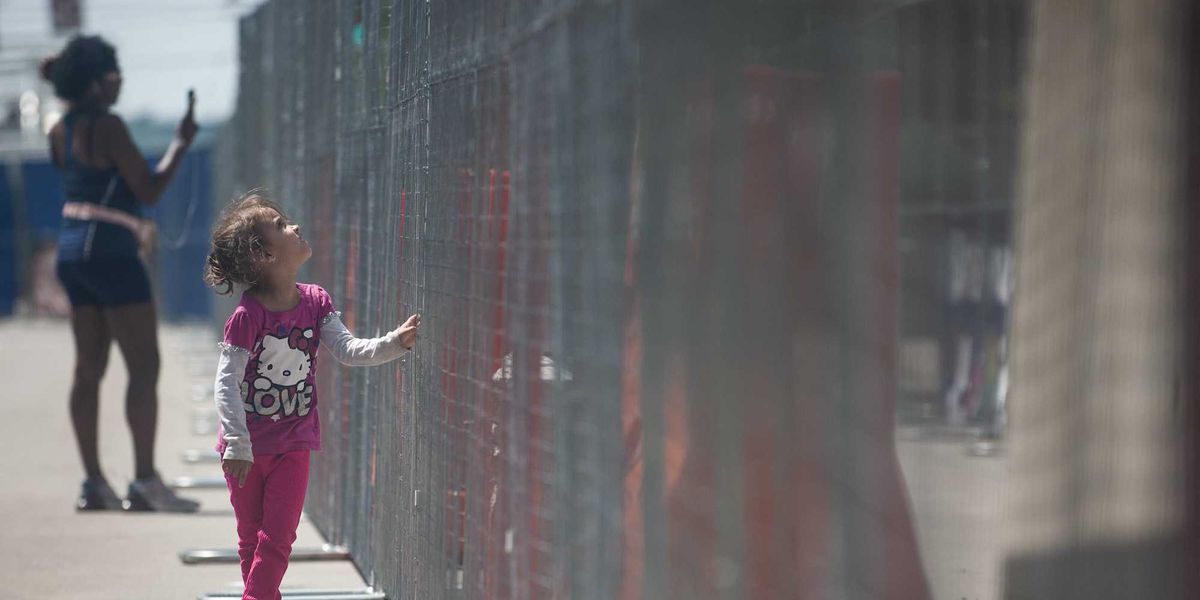
Vandalism at a Southern California elementary school has sparked outrage after hateful symbols and a racial slur were found on a fence near the campus. What should have been a quiet school setting was instead turned into a scene that immediately raised alarm for families, staff, and the wider community. The incident has put a harsh spotlight on the kind of ugliness that can still show up in places where kids are supposed to feel safe.
School property is meant to be a place of learning, routine, and basic trust, so when something like this happens, it hits hard. A fence is not just a fence in this case, because it becomes a public display of hostility aimed at an entire community. That kind of act does more than deface property, since it sends a message that many people will see as threatening and deeply offensive.
Incidents involving racist graffiti and hate symbols tend to trigger the same mix of disgust and concern, and for good reason. These are not harmless pranks, and they are not the kind of thing people should shrug off as kids being kids. When a racial slur is involved, the line from vandalism to hate crime becomes something authorities and the public take seriously right away.
Parents naturally want to know how this happened and whether the school had any warning signs beforehand. They also want reassurance that the campus is being treated with urgency, not with delay or excuses. When children arrive for class, they should be walking into a place that feels normal and secure, not one stained by hate and disrespect.
Cleaning up the damage is the easy part compared with repairing the sense of trust that gets shaken by an act like this. Even if the paint or marker comes off quickly, the memory of it lingers with students, teachers, and families. Schools often end up having to address the emotional fallout as much as the physical mess, because the impact goes way beyond what is visible on the fence.
Local officials and school leaders are usually pushed to respond fast in situations like this, and that pressure is justified. People want clear answers, visible action, and a firm stance that hateful behavior will not be ignored. If the people responsible are identified, there is also a strong expectation that consequences will match the seriousness of the act.
This kind of story also reminds communities how important it is to stay alert and speak up when something looks wrong. Small acts of vandalism can be the first sign of something uglier underneath, and ignoring them only gives bad behavior more room to spread. A school should never have to guess whether a hateful message on campus is just random damage or something more deliberate.
For many families, the bigger concern is not just one ugly incident, but what it says about the broader environment around the school. People want their neighborhoods to reject this sort of behavior openly and without hesitation. When a community draws a hard line against hate, it sends a message that schools, children, and basic decency still matter.
That is why the response matters almost as much as the vandalism itself. A fast cleanup, a clear investigation, and a firm community reaction can help stop the damage from spreading further. The school fence may have been the target, but the real issue is whether the people around it are willing to stand up and shut this kind of thing down.
