
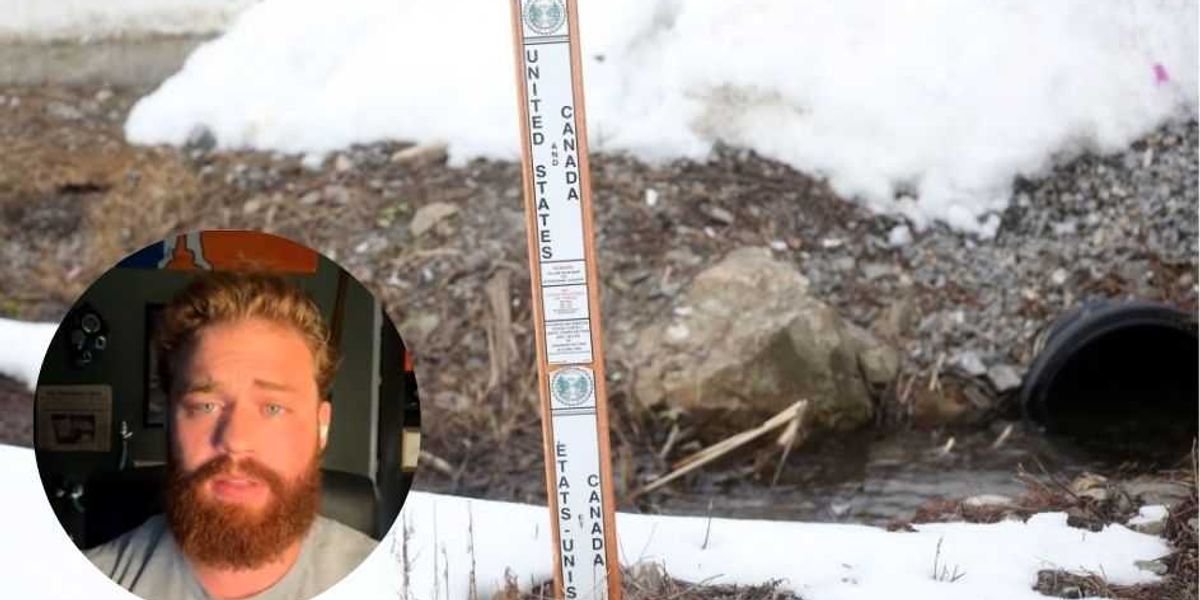
Canada’s border problem is no longer just a quiet policy headache. A growing pipeline of illegal crossings and visa overstays is feeding a larger migration flow toward the United States, and the northern route is starting to look a lot less routine than many people assume. What makes it stand out is the mix of smugglers, expired documents, and travelers who simply keep moving once they slip through the cracks.
One of the clearest warning signs is how organized the movement has become. People are not just wandering across the border by chance, and many are being guided by networks that know exactly how to exploit weak spots, loose oversight, and gaps in enforcement. That kind of setup turns a border crossing into a business, and business is booming whenever the rules are treated like suggestions.
The bigger issue is what happens before migrants ever reach the U.S. side. Canada has become a way station for people who arrive legally, then stay after visas expire or shift into the underground economy of illegal movement. Once that happens, the trail gets harder to follow, and the line between legal travel and illegal entry starts to blur in ways that frustrate both countries.
There is also a sharp political edge to the story. The Biden-era border mess has pushed more attention onto the northern frontier because pressure at the southern border has not made the rest of the system safer, it has just exposed how much easier it is for illegal migration to reroute. When one border tightens or gets saturated, the flow does not always stop. It finds another opening, and that is exactly what is happening here.
Smuggling networks thrive on demand, and demand grows when enforcement looks soft. That means the problem is not only about geography, it is about incentives. If people believe they can enter, remain for a while, and move deeper into North America with little consequence, the pipeline keeps pulling more traffic.
Reports tied to the northern route also point to a mix of nationalities and motives that make enforcement even trickier. Some travelers are chasing work, some are trying to disappear into larger urban areas, and some are relying on smugglers who promise an easy path and deliver a dangerous one. The result is a border challenge that feels less like a single event and more like a slow leak in the entire immigration system.
That leak matters because both countries pay for it. Local law enforcement, immigration officials, and border agents get stuck dealing with the fallout while political leaders argue over language, optics, and blame. Meanwhile, the smugglers keep collecting cash, and the people moving through the system keep betting that the odds are in their favor.
The northern border has often been treated as the calmer sibling in North American security debates. That mindset is getting harder to defend. Once illegal migration becomes organized enough to flow through Canada and into the United States, the conversation has to shift from assuming safety to demanding accountability, because the border is only as strong as the weakest stretch people are willing to exploit.
What is unfolding now is a reminder that border security is not a slogan, it is a chain. If one link is ignored, the pressure moves somewhere else fast. Canada’s role in the illegal immigration pipeline is forcing that reality into the open, and the next phase will depend on whether officials decide to confront the problem or keep pretending the pressure will fade on its own.
