
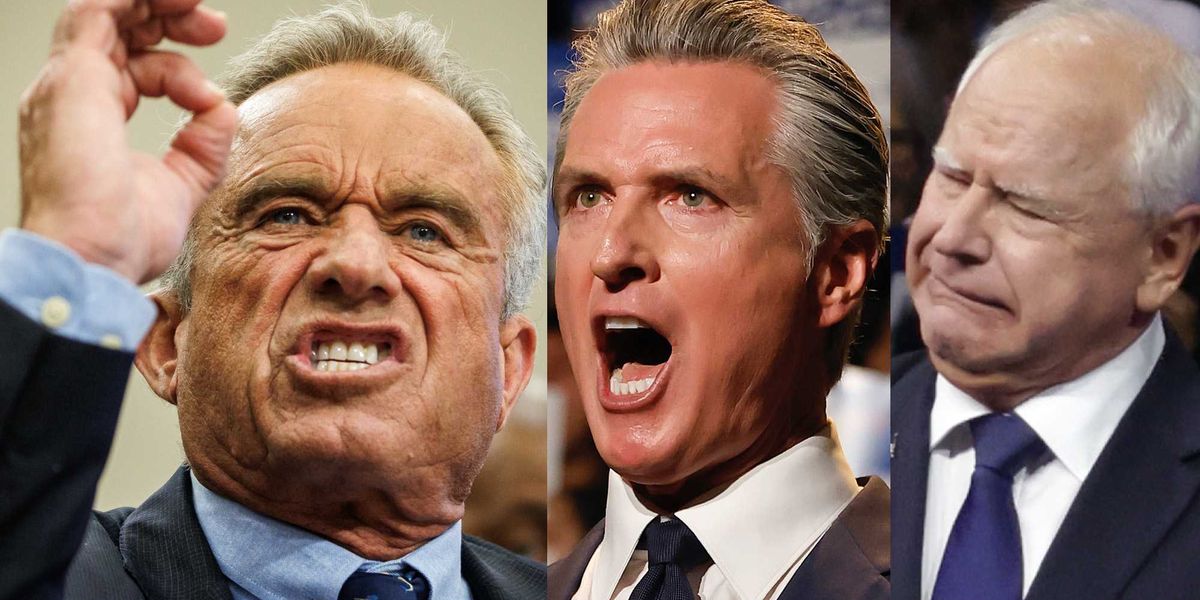
Robert F. Kennedy Jr. is making a loud move on Medicare spending, and California and Minnesota are feeling it first. The decision centers on a massive funding block tied to fraud concerns, and it puts the spotlight on how federal health dollars are watched, protected, and sometimes cut off when the numbers look ugly.
When government money is involved, especially in a program as huge as Medicare, the pressure to keep it clean is real. This action signals that the administration is not interested in letting questionable billing slide just because the program is popular or politically sensitive.
The issue here is bigger than one headline-grabbing freeze. It raises the basic question of whether states and providers are doing enough to stop waste before it becomes a full-blown problem. If the systems are weak, the bill does not just stay on paper, it turns into real losses for taxpayers.
California and Minnesota are now caught in the middle of that fight. For patients, doctors, and state officials, the immediate concern is how far the funding halt reaches and which services could feel the pressure if the money stays on hold.
That kind of move usually gets attention fast because it hits where it hurts, at the flow of cash. Supporters see it as a needed correction, the kind of hard stop that can force accountability and flush out abuse that might otherwise keep rolling. Critics, on the other hand, will argue that cutting funding this bluntly can create headaches for people who had nothing to do with any wrongdoing.
Still, the basic principle is hard to ignore: if there is fraud, somebody has to step in. Programs like Medicare only work if the public believes the system is being guarded with some backbone, not treated like an open wallet.
It also sends a message beyond these two states. Other states and health organizations are on notice that federal money is not guaranteed to keep moving if there are serious red flags in the background. That alone can change behavior, which is often the whole point of a clampdown like this.
For Kennedy, the choice fits a broader push to draw a sharper line around government spending. The politics are obvious, but so is the appeal to people who are tired of hearing about waste, fraud, and abuse without seeing much done about it.
The real test will come in what happens next. If the funding is restored, there will need to be clear reasons and clear safeguards. If it stays frozen, the pressure will keep building on state leaders and health administrators to explain how the mess got this far in the first place.

1 Comment
I don’t trust either of these states to do any serious reform, just what they need to do until it fades away and they can get back to MASSIVE INSTITUTIONALIZED CORRUPTION. IT’S THE DEMOCRAT WAY. GOTTA PAY FOR THOSE ILLEGAL VOTERS !!!!