
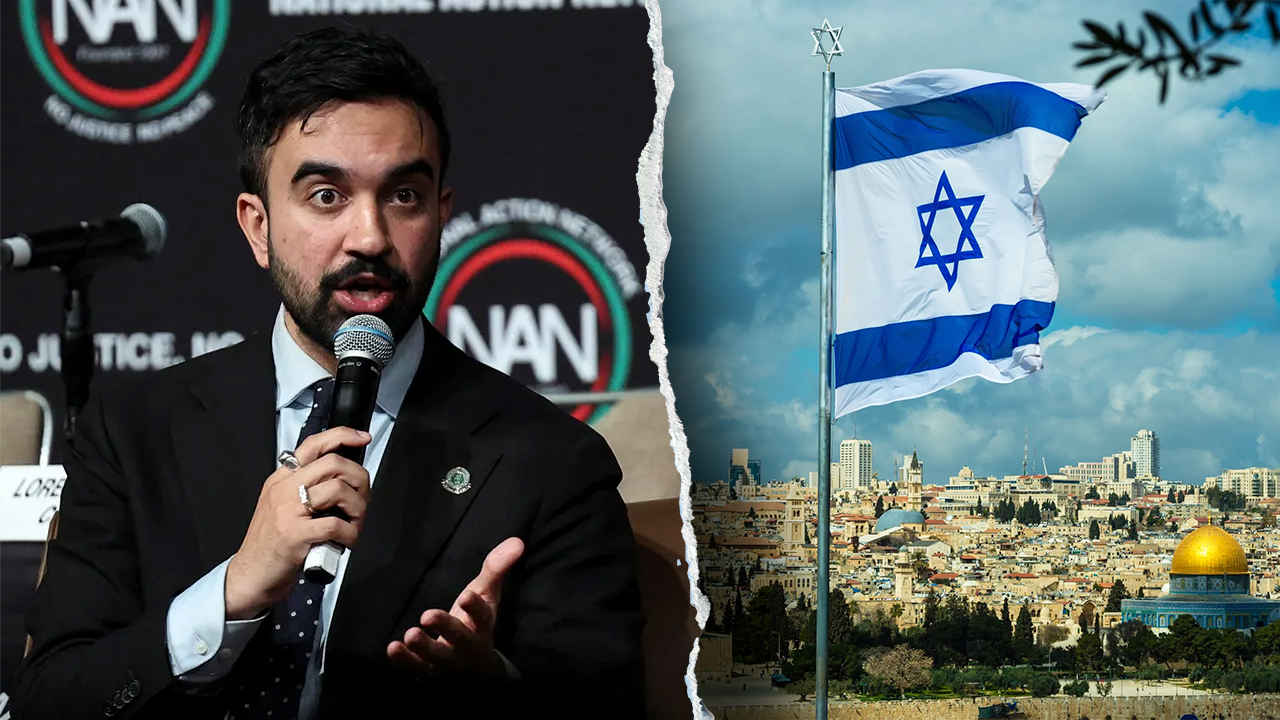
Zohran Mamdani’s early moves as New York City mayor have sparked a fierce debate over priorities, antisemitism, and the role of city government in Israel-related disputes. Instead of staying locked on the city’s daily grind, he has kept returning to Israel, Benjamin Netanyahu, and a set of decisions that many Jewish New Yorkers see as more than just political noise.
For a mayor elected to tackle housing costs, public safety, transit headaches, and the basic functioning of city services, that focus has raised eyebrows fast. Mamdani’s remark that Netanyahu would be arrested if he came to New York drew immediate attention, especially after he later acknowledged the city lacks the authority to make that happen.
That’s the part that really stands out. A New York mayor has no real power over international criminal matters, yet Mamdani still put the issue front and center, as if city hall were a stage for a global fight rather than a place to handle potholes, crime, and the cost of living.
His administration has also taken steps that critics say sent a clear signal to Jewish residents. One of the first moves was dropping New York City’s use of the International Holocaust Remembrance Alliance’s working definition of antisemitism, a decision supporters framed as protecting free criticism of Israel but opponents viewed as a retreat from a useful tool at a time when antisemitic incidents are rising.
Then came the rollback of an executive order under Eric Adams that aimed to stop city agencies from discriminating against Israel, Israeli citizens, and Israel-linked businesses in contracting and procurement. Each step on its own can be explained away, but taken together they look like a pattern, and that pattern is what has many people on edge.
There was also the episode involving a planned meeting between the city’s international affairs office and Iran’s ambassador to the United Nations. Mamdani said he did not approve it and called it a mistake, but the contrast was hard to miss: openness toward a regime like Iran, while publicly mulling an arrest scenario for Israel’s leader.
That tension says a lot about the political world Mamdani comes from. He’s part of a movement where hostility toward Israel has moved from the margins into the center, showing up across campus activism, Democratic Socialists of America circles, and the broader activist left that treats Israel as a constant target.
People have seen this before. Movements that begin with slogans about fairness and justice often wind up making Israel one of their favorite villains, and that obsession crowds out the actual work voters expect from local leaders.
New York is not just any city in this debate. It is home to the largest Jewish community outside Israel, which means these fights land differently here than they would almost anywhere else.
For many Jewish New Yorkers, Israel is not a talking point or a headline. It is family, memory, identity, and faith, which is why repeated singling out of the Jewish state can feel less like policy criticism and more like hostility with a polished vocabulary.
The political reality is also more complicated than the loudest headlines suggest. Exit polling indicated that most Jewish voters backed Andrew Cuomo, but Mamdani still drew support from a meaningful minority, especially younger and more progressive Jews who may have believed city politics could be separated from Middle East politics.
That hope has not aged well so far. When a mayor keeps circling back to Israel, while New Yorkers are still waiting for sharper answers on affordability, crime, sanitation, and schools, it sends a message about what he thinks deserves his energy.
And that message is not lost on the people who have watched antisemitism grow more visible in public life. More security at Jewish schools, more barriers at synagogues, more anxiety for students and families, these are not abstract concerns, and they are part of the atmosphere that forms when elected officials fuel a one-sided fixation.
City leaders are supposed to stay rooted in the city in front of them. When they keep reaching for foreign battles instead, residents notice, and they start wondering whether their own neighborhoods are being treated like a side note.
That’s the deeper frustration here. New Yorkers did not elect a mayor to spend his political capital chasing fights thousands of miles away when the everyday work of running the city is still unfinished.

2 Comments
His Islamist False Religion Political Ideology are on display constantly! How this this enemy of America and its Citizens get into office; something very fishy here!
Recall the liberal left wing socialist communist demon democ-rat party Mamdani.