
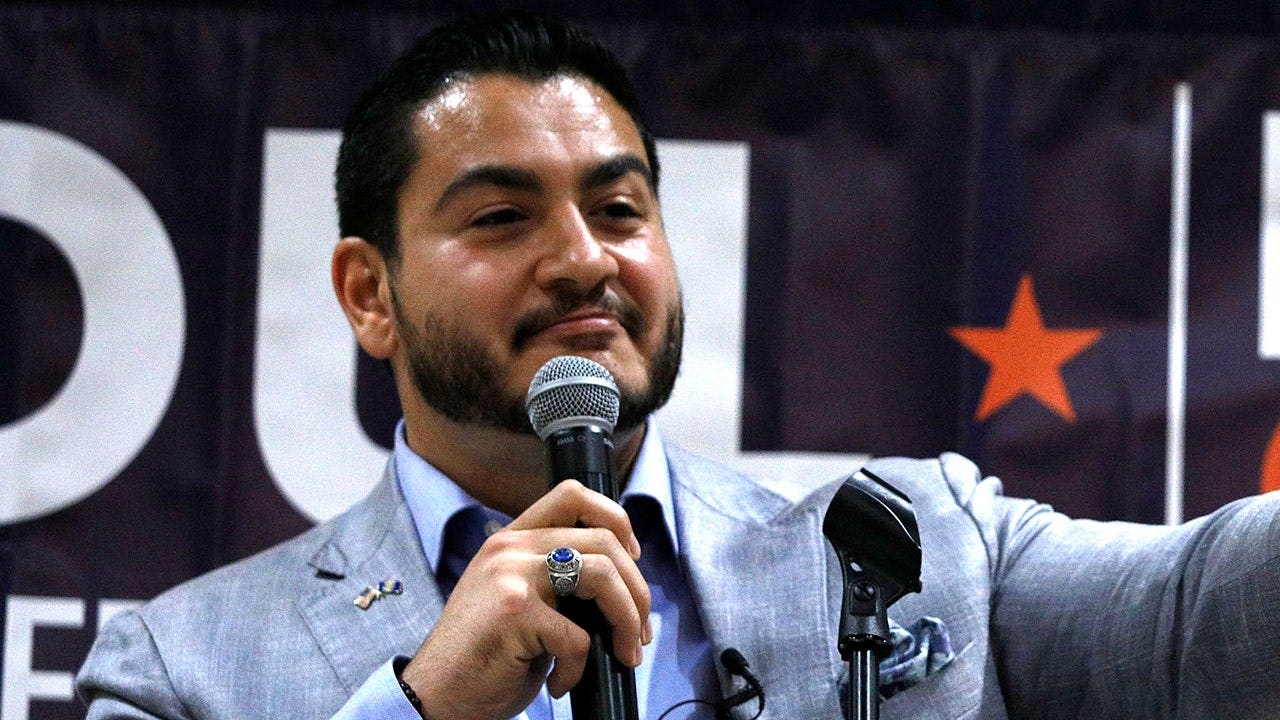
Abdul El-Sayed’s Michigan Senate bid is running into a hard wall of reality, and the people closest to the race seem less impressed by the socialist pitch than the campaign would like. In Detroit, the energy around the left-wing rally did not translate into broad appeal, while Haley Stevens kept building a more workable coalition and the Congressional Black Caucus moved to back her. What emerges is a race where ideology looks loud, but winning looks a lot more complicated.
At the Detroit event, the crowd around El-Sayed looked heavily weighted toward the same educated white activist lane that has powered a lot of the modern progressive wave. The splashy presence of Alexandria Ocasio-Cortez and Bernie Sanders drew attention, but the scene itself felt narrow, not expansive, and that matters in a state like Michigan. Big rallies can create buzz, but they do not automatically create the kind of cross-racial, working-class support needed to survive a tough primary.
That disconnect showed up fast in the people on the ground. Some attendees were there out of curiosity, some out of ideology, and some just to see what the fuss was about, but few seemed ready to say the socialist brand was the answer to Michigan’s problems. One worker selling progressive merchandise even acknowledged that the message lands differently depending on where it is being sold, which is just another way of saying the same script does not play everywhere.
The more revealing conversations were with regular voters who were not buying the hype. A Detroit federal worker described socialism as unrealistic and flat-out unappealing, saying the promises sound nice until they hit the road and crash into real life. Another man from Ann Arbor said he wanted transparency and accountability, especially as big projects and data centers grow more powerful, but he still was not persuaded by the rhetoric coming from the campaign stage.
That is where El-Sayed’s problem gets bigger than one event. He has been trying to soften his image and distance himself from the socialist label, but that becomes hard to sell when he is sharing a stage with the movement’s biggest stars. Voters can spot the contradiction quickly, and once they do, the whole “I’m not really one of them” act starts to look shaky.
There is also the issue of coalition politics inside the Democratic Party itself. The campaign around one progressive candidate in Michigan kept circling back to anti-Israel messaging and AIPAC, which may fire up a niche activist base but can also push away moderates and Jewish voters. That kind of fixation can narrow a campaign fast, especially when the other side is presenting itself as steadier and more broadly acceptable.
Stevens, by contrast, has been looking more like the candidate who can actually hold together a winning lane. She is not making herself into a movement mascot, and that may be exactly why she has momentum. When the race turns from social media energy to actual ballots, a calmer, less polarizing profile often starts to look a lot more valuable.
Michigan itself is another reason the socialist formula is struggling. This is not a place where slogans about free everything and radical restructuring automatically win hearts, especially among voters who live with the consequences of policy every day. The state has its own working-class memory, its own economic scars, and its own tolerance for political theater, which is to say not much when the bills are due.
The bigger lesson here is that the Democratic left keeps assuming its energy will travel cleanly from one crowd to the next, but that assumption keeps getting tested. A campaign can attract loud support from activists, students, and highly engaged ideological voters while still failing to reach the broader middle that decides elections. Michigan is looking like one more place where the movement’s confidence is colliding with the actual electorate.
Even as the race tightens, the ground appears to be shifting away from the socialist lane and toward the candidate with a more practical pitch. That does not mean the contest is finished, because political surprises are always possible, but it does mean El-Sayed cannot afford to keep leaning on the same kind of energy that lights up a rally and then fades the next day. In a state like this, the distance between applause and votes can be brutal.

2 Comments
Michigan, we are NOT going to save America with Democrats. Particularly this demographic.
This punk couldn’t sell goats in Deerborn.