
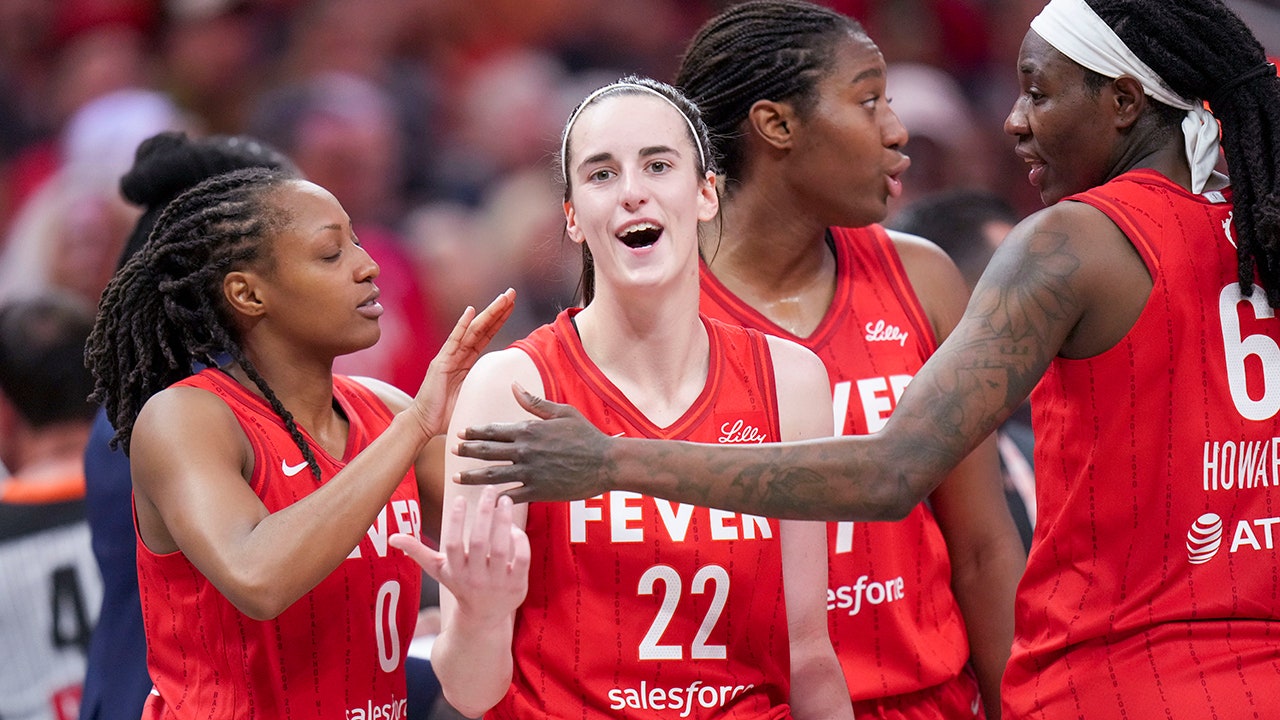
The Indiana Fever reshaped their roster this offseason with targeted signings meant to surround Caitlin Clark with complementary talent as the franchise sets its sights on a WNBA title in 2026. The moves focus on shooting spacing, defensive versatility, and veteran leadership to help Clark’s game translate from college stardom to pro success. This article examines how those additions fit the team, what they might enable on both ends of the floor, and the realistic hurdles the Fever will face next season.
The Fever prioritized perimeter shooters and creators, aiming to give Clark the room to operate and more off-ball movement to exploit. Adding players who can stretch defenses forces opponents to guard the arc, which in turn opens driving lanes and post looks for a team built around pace and attack. Those pieces are essential if Indiana wants to run the floor and punish help defense whenever it collapses on Clark.
On defense, the front office made upgrades meant to add length and switchability, addressing a weak spot from past campaigns. Versatile wings who can guard multiple positions reduce mismatches and allow coach and staff to deploy more aggressive schemes without sacrificing rim protection. If those players stay healthy and buy into a team defensive plan, the Fever’s transition defense and late-game stops should improve noticeably.
Experience was another clear focus in the signings, bringing in veterans with playoff backgrounds to balance a youthful core. Those veterans provide calming influence in tight games, guide off-ball decision-making, and help younger teammates navigate the grind of a 40-game season. Their presence in the locker room could be the difference in establishing a professional culture around preparation and detail.
Coaching adjustments will be crucial to maximize the roster’s potential, particularly in balancing Clark’s on-ball time with off-ball actions designed to keep defenders guessing. Rotations that stagger the best playmakers and shooters can produce sustainable offensive production beyond Clark’s minutes. The coaching staff will also need to be creative with sets that leverage Clark’s court vision while protecting her from constant isolation against bigger, more physical guards.
Bench depth and minute management will test the Fever across a long season, and those new signings are meant to alleviate those concerns. Having players who can step into scoring roles or defend in high-leverage minutes matters when injuries and fatigue inevitably strike. Smart minute distribution and trusting role players could turn close regular-season games into comfortable wins and build postseason momentum.
Market expectations have shifted, and with Clark’s profile the Fever face greater national scrutiny and pressure to perform. Increased attention brings more scouting, tougher defensive planning from opponents, and amplified media scrutiny whenever results lag. Navigating those pressures will require mental toughness from Clark and a unified response from the roster rather than depending on one player to carry the narrative.
Risk factors remain realistic: chemistry is not automatic, injuries can derail even the best-laid plans, and playoff basketball often exposes weaknesses that regular-season success hides. The new signings improve the Fever on paper, but translating complementary talent into consistent two-way performance requires time and clarity about roles. If the team can avoid early-season growing pains, the foundation is stronger than it was a year ago.
The Fever’s offseason moves create a clearer blueprint for competing in 2026: surround Caitlin Clark with shooting, defense, and steady veterans to accelerate the team’s rise. Expectations are higher, and the organization has given itself more tools to answer them. How those pieces come together on the court will determine whether Indiana is a legitimate title threat or a promising team still finding its identity.
