
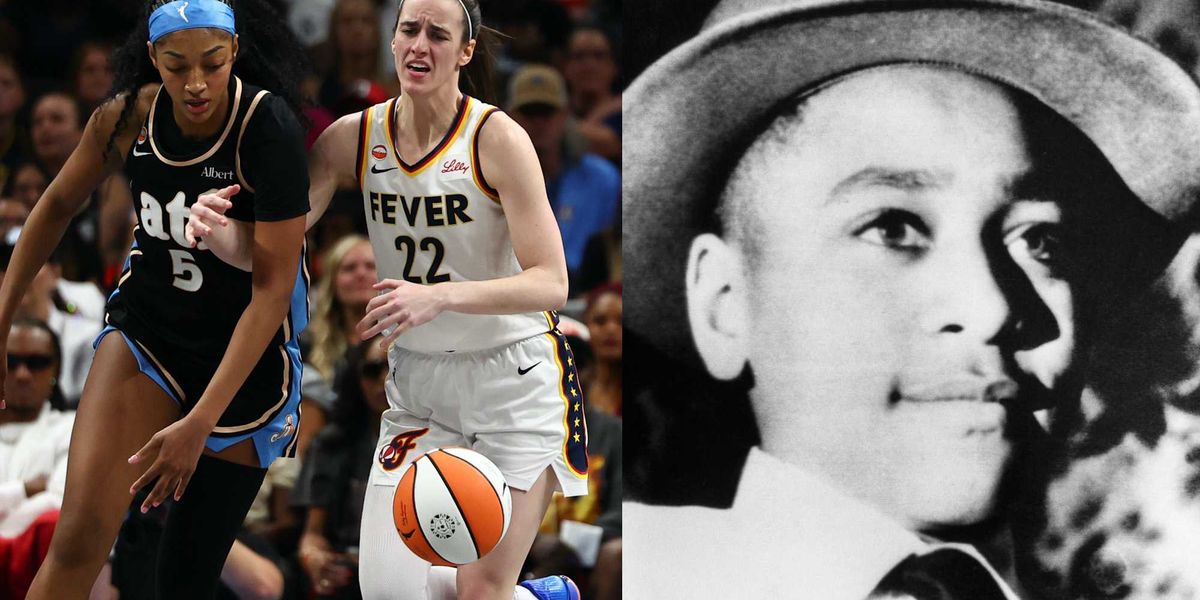
Caitlin Clark has become one of the biggest names in women’s basketball, and that spotlight has also dragged in a heated debate about race, media coverage, and the way public figures get turned into symbols. The controversy here centers on a provocative claim tied to a USA Today writer, who suggested Clark’s presence puts black lesbians at risk of death while invoking the memory of Emmett Till, a comparison that instantly set off alarm bells.
The line between sharp criticism and reckless rhetoric can get thin fast, but this one pushed right through it. When someone links a current athlete to a historic lynching, the message lands like a grenade, not a conversation starter. It also raises a basic question: what happens when commentary stops describing reality and starts manufacturing moral panic?
Clark’s rise has made her a lightning rod in a league already wrestling with attention, identity, and resentment. Some people celebrate her as a star who brought new viewers to the sport, while others treat her success as proof of a larger cultural problem, even when the evidence is flimsy or missing. That kind of framing can turn every game, foul, or quote into fuel for a bigger grievance machine.
The Emmett Till comparison is what makes this especially ugly. Till’s lynching was one of the most horrifying crimes in American history, and tossing that into a modern sports argument cheapens the tragedy in a way that feels both lazy and vicious. It is the sort of move that tries to shut down disagreement by reaching for the most charged image possible, even if the subject has nothing to do with it.
There is also a wider pattern at work in the way sports and politics collide online. A player can become a stand-in for all kinds of social arguments, and once that happens, nuance gets tossed out the window. People stop talking about basketball and start talking about punishment, victimhood, and identity politics, which is a fast track to bad faith on every side.
That does not mean every criticism of Clark is off limits or that every reaction to her is exaggerated. Sports fans argue, media figures write hot takes, and people bring their own biases to the table. But there is a difference between opinion and something that feels like a reckless attempt to stir fear by using race as a blunt instrument.
The backlash to the writer’s comment shows that a lot of readers still understand where the line should be. You can debate how Clark is covered, how the WNBA markets its stars, or how race gets discussed in women’s sports without dragging in one of the most painful killings in American memory. Once the comparison is made, though, it is hard to pretend the goal was honest analysis.
This is part of a bigger media problem too. Too many outlets reward the most explosive phrasing because it drives clicks, outrage, and endless reposts, even when the substance is thin. That cycle makes every issue worse, because the loudest people get the most attention and the people trying to speak plainly get drowned out.
Clark’s popularity was always going to draw scrutiny, especially in a sport where every rise in attention brings friction along with it. But the conversation around her should not become an excuse for cartoonish accusations or historical comparisons that belong nowhere near a basketball column. When the rhetoric gets this overcooked, it says less about the athlete and more about the desperation of the person saying it.
What makes the whole thing sting is how avoidable it was. A serious writer could have discussed race, fan reaction, or the pressures on black players in the league without reaching for the most toxic comparison available. Instead, the comment turned into another example of how fast a public argument can slide from debate into spectacle, and that mess is still hanging in the air.
