
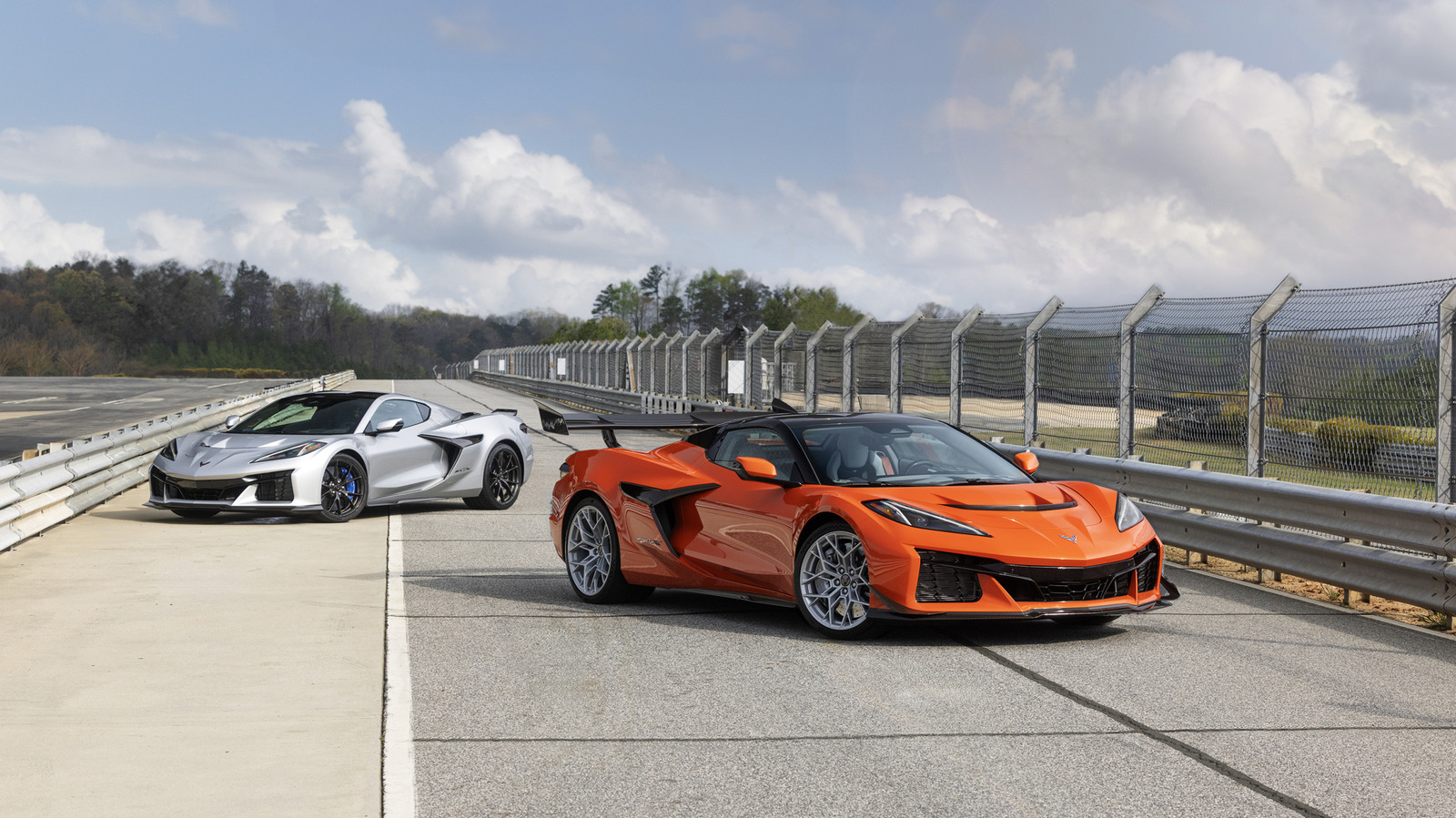
Buying an eye-catching car after a stretch of hard work feels great, but it’s worth thinking about the signals that ride with the gloss. This piece looks at how flashy automobiles communicate beyond taste, covering practical costs, personal safety, social consequences, and smarter ways to enjoy success without broadcasting it loud and obvious.
There’s a real thrill in owning something that turns heads, and that rush is part of the appeal. Still, the very attention you crave can change how people treat you and how you feel walking to the driveway. An extravagant car can shift private moments into public performances because it announces affluence in a way that’s hard to ignore.
Practical headaches often arrive quickly after the initial excitement. Insurance premiums can jump, repairs cost more, and finding trustworthy service for high-end brands sometimes means paying a premium for expertise. Depreciation is aggressive on many flashier models, so what felt like a trophy purchase can become an expensive hobby the moment you drive it off the lot.
Visibility has real safety costs too. A standout vehicle can paint a larger target on you for theft, break-ins, and opportunistic crime, depending on where you park and live. Even well-meaning attention from strangers becomes a hassle if it invites unwanted questions or makes everyday outings a performance. For some, the anxiety that follows outweighs the bragging rights.
There’s also the social angle: community perception shifts in ways that don’t always favor the owner. Some neighbors might admire the car, others may resent the display, and coworkers can change the tone of interactions. Relationship dynamics can get strained when possessions become the loudest signal of worth or success in a circle of friends and family.
On the financial side, flashy cars can complicate long-term planning. Large monthly payments and higher upkeep eat into savings, and the money tied up in a depreciating asset could instead shore up retirement accounts, investments, or emergency funds. For people who want to build resilience, the math rarely favors aggressive status purchases over diversified financial choices.
Luxury rides can also affect career optics and bargaining power in unexpected ways. In some professional settings, ostentatious displays suggest priorities that don’t align with a conservative or frugal image, and that mismatch can influence negotiations or credibility. Dressing success in subtler ways generally keeps control over how you are perceived and judged.
That said, enjoying your success doesn’t require the loudest headline. There are smarter paths: choose models that offer performance or craftsmanship without ostentation, invest in quality maintenance to protect value, or spend on experiences that create memories rather than liabilities. Even small design tweaks—toning down chrome, opting for understated colors—can preserve satisfaction while reducing unwanted attention.
Finally, think about legacy and priorities before making the leap. Will this car help you meet long-term goals or sit in a garage as a trophy that complicates life? If the answer leans toward complication, consider redirecting part of that budget toward things that build stability or bring quieter joy. The payoff from disciplined choices often lasts longer than the momentary thrill of being seen.
