
Looking for a sports car in 2026 that won’t make your fuel bill explode? This piece walks through the kinds of sports cars that deliver the best fuel economy, explains why some architectures work better than others, and gives practical buying pointers so you can enjoy spirited driving without constant trips to the pump.
For decades sports cars meant big engines and thirsty fuel use, but that picture is shifting fast. Downsized turbochargers, lightweight construction, hybrid assistance and the rise of electric drivetrains have all nudged performance vehicles toward far better economy. The trick is to match the driving experience you want with the technical approach that saves fuel.
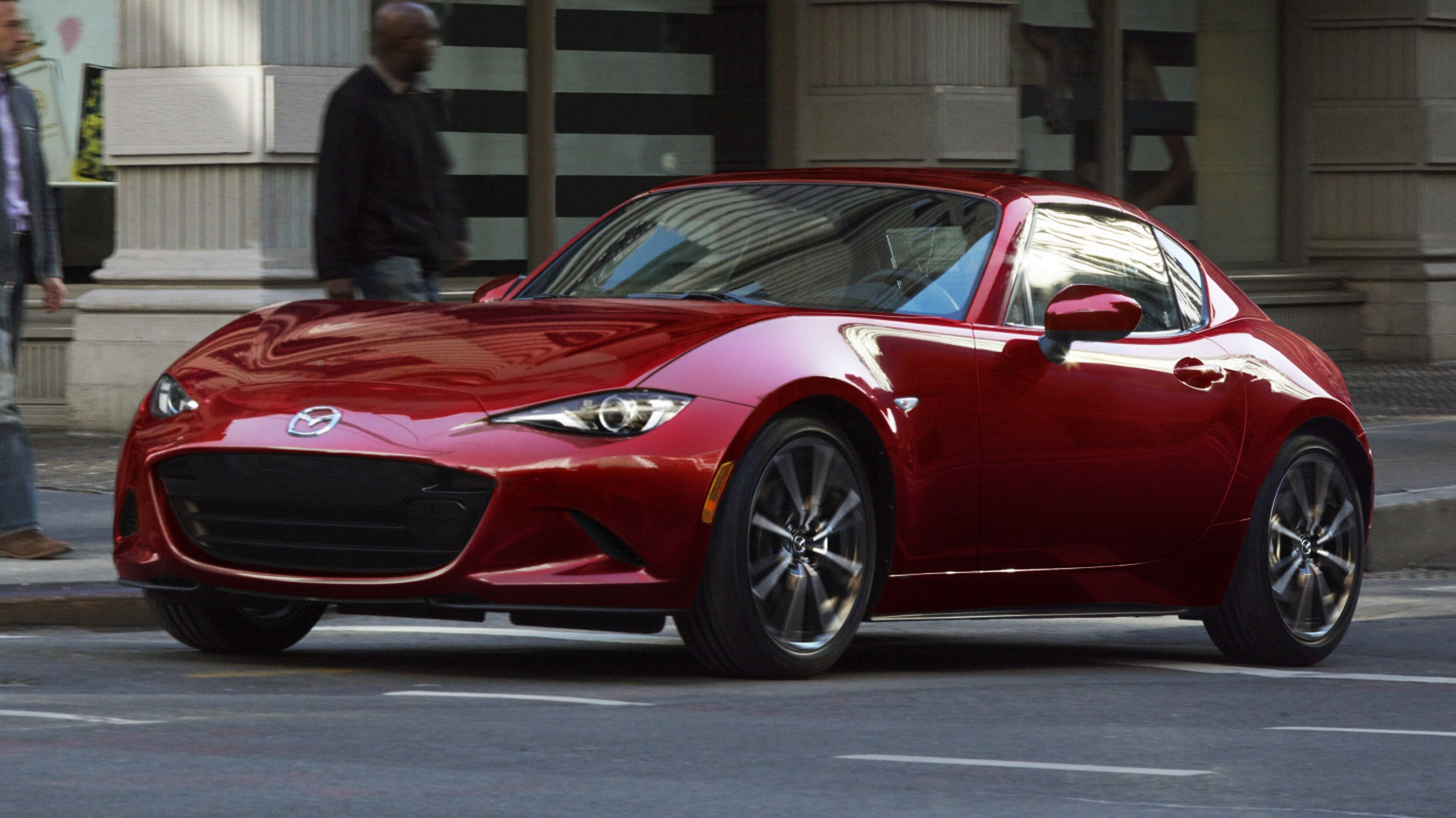
Small, lightweight roadsters still matter when efficiency is a priority. Cars like the classic lightweight two-seaters rely on low mass and modest engines to get respectable real-world mileage, especially on the highway. If you spend most of your miles on twisty back roads and can trade raw speed for agility, the simple mechanical route often wins on fuel economy and on pure driving feel.
Turbocharged small engines and mild-hybrid systems are the next step up for drivers who want more punch without huge fuel penalties. A modern turbo four paired with start-stop tech and limited hybrid assistance can offer lively acceleration while keeping average consumption down. This setup is useful for buyers who need a daily driver that’s also fun on weekends.
Plug-in hybrids give a useful compromise for mixed driving patterns. They let you do short commutes on electric power and switch to a gasoline engine for longer trips, which can dramatically reduce fuel use for city-heavy drivers. If you can charge regularly and value electric-only runs for errands, a PHEV sports model can feel like two cars in one without the range anxiety of pure electric for long hauls.
Pure electric sports cars are now the clear leader in efficiency when measured in MPGe and real energy use. Instant torque, regenerative braking and the high energy efficiency of electric motors mean you get sharp performance and low operating costs. For many buyers the active choice is an EV sports car that balances range, charging convenience and the kind of throttle response you expect from a proper performance machine.
When you compare models, look beyond the headline numbers and focus on real-world factors that affect fuel economy. Vehicle weight, aerodynamics, tire choice and gear ratios all shape consumption more than badge power figures. Also check the combined MPGe or MPG ratings as a baseline, then read owner reports and independent test drives to see how a car performs on the roads you actually drive.
Practical tips save time and money: test drive cars under the kind of traffic and routes you use every day, evaluate battery range and charging options for EVs and PHEVs, and consider maintenance costs tied to forced-induction engines. Think about whether you’ll mostly cruise on highways, where aerodynamics and gearing dominate, or spend time in stop-and-go traffic, which favors hybrids and EVs.
