
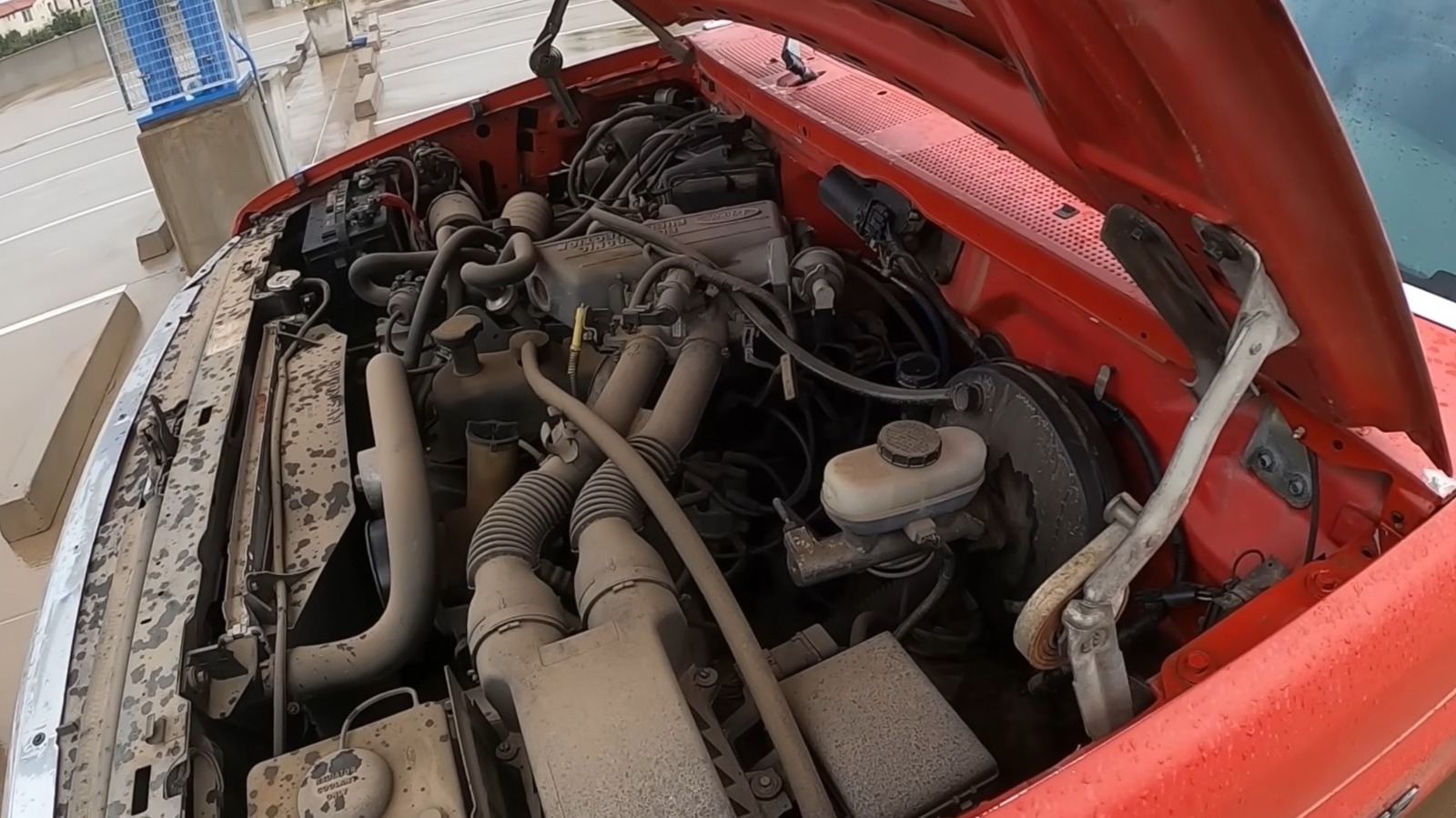
The Ford 300 inline-six earned its reputation the hard way, by spending decades doing real work in trucks, vans, and fleet rigs without making a big scene about it. It was never built to chase bragging rights, but it became one of those engines people trust because it just keeps showing up, year after year, ready to pull its weight.
Back in 1965, the Ford 300 was rated at 170 horsepower and 283 lb-ft of torque, which sounds modest now but was plenty for the kind of jobs these trucks were asked to handle. By the time the engine reached its final years, the numbers had shifted to 150 horsepower and 260 lb-ft, and that drop can look worse than it really was. The reason is tied to how horsepower ratings changed over time, not just a sudden loss of muscle.
That change matters because older engines were often measured in gross horsepower, which meant the engine was tested in a stripped-down way without all the normal accessories and drivetrain losses. Later on, automakers moved to net horsepower, a more realistic figure that reflects what the driver actually gets. So when you compare early and late Ford 300 numbers, you are not always looking at the same measuring stick.
In plain terms, the 300 may have looked weaker on paper by the end of its run, but real-world performance tells a better story. The later rating was more honest, and the engine still delivered the kind of usable low-end torque that makes a truck feel strong where it counts. That steady pull is part of why the Ford 300 stuck around for so long.
There’s also the simple fact that straight-six engines have a natural advantage when it comes to balance. Because of their layout, they run smoothly without needing a lot of extra hardware to calm vibrations, and fewer moving parts usually means fewer headaches. That kind of mechanical simplicity is a big reason straight-sixes have a long history in heavy-duty applications.
The Ford 300 leaned into that idea hard. It used timing gears instead of a belt or chain, and while that setup can be noisier, it is also brutally tough. The engine itself was a big cast-iron unit, which made it heavy, but that heft also helped it shrug off repeated heat cycles and the kind of abuse that would wear out lesser designs.
This was not an engine meant for hot-rodding or quarter-mile glory. It lived in work trucks, commercial vans, loaders, and basic fleet vehicles, where reliability mattered far more than big headline numbers. Those machines needed something that could start, run, haul, and do it again tomorrow without drama.
That is why the Ford 300 still gets respect even now. It sits in the same conversation as other famously durable straight-sixes, the kind of engines that built their names on endurance instead of flash. If you judge it only by horsepower, you miss the bigger picture, because this engine was never about impressing anyone at a stoplight.
What it delivered was confidence, and for a working truck, that is often worth more than a few extra horsepower on a spec sheet. The Ford 300 had enough torque to get a load moving, enough toughness to survive hard use, and enough simplicity to become a favorite among people who cared less about image and more about getting the job done. That is a pretty good legacy for an engine that spent most of its life quietly minding its own business.
