
• Preserve the Butler anniversary message and the core act of courage
• Keep Corey Comperatore’s sacrifice at the center of the story
• Reflect on the attack, the chaos, and the survival of President Trump
• Highlight the way communities and first responders responded under pressure
• Emphasize the duty to protect leaders, citizens, and the future of the country
Two years ago at Butler, America got a brutal reminder of how fast a normal day can turn into a historic nightmare. What was supposed to be a rally filled with energy and purpose became a moment frozen in the nation’s memory, with fear, shock, and heroism all colliding at once.
I was on the ground that day, close enough to feel the heat, the noise, and the tension before the shots rang out. Just moments earlier, there was confidence in the air, the kind that comes when people believe they are part of something bigger than themselves. Then everything shifted in an instant.
When the gunfire started, the instinct to survive kicked in immediately. I dropped to the ground and pulled my wife with me, while people around us tried to make sense of the sound and find cover. That split second revealed something ugly and something beautiful at the same time: the presence of evil and the rise of courage.
Corey Comperatore showed the kind of bravery that does not need applause to be real. He put himself between danger and the people he loved, and he did it without hesitation. That choice cost him his life, but it also saved his wife and daughters, and that fact still carries enormous weight.
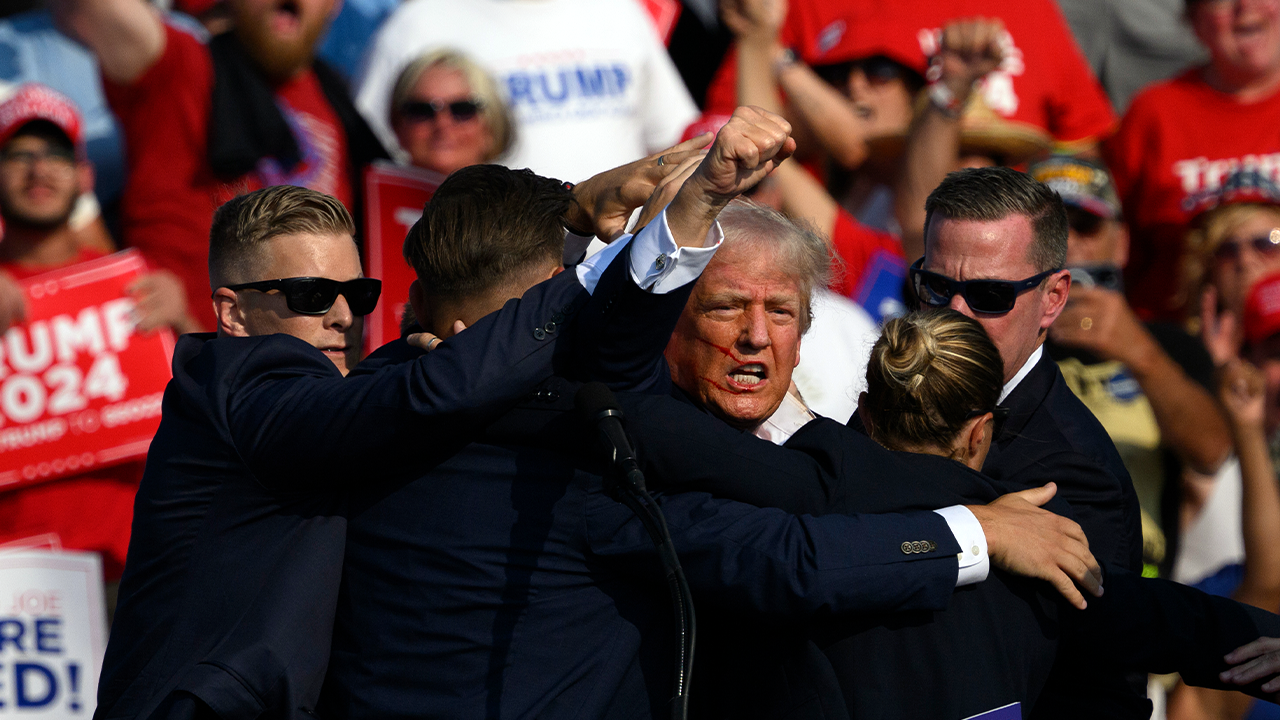
President Trump was struck, the crowd was thrown into confusion, and the Secret Service moved fast to protect him from further harm. Then came the image that nobody in America will forget anytime soon, with Trump bloodied, rising, and refusing to be silenced. His shouted response, “Fight! Fight! Fight!” became more than a reaction. It became a signal.
Moments like that strip away the noise. They show character fast, without warning, and they expose the difference between panic and purpose. In Butler, people saw a leader who kept standing and a father and husband who laid down his life for his family.
Corey’s life mattered long before that field in Pennsylvania turned tragic. He was a firefighter, someone who spent years running toward danger when others ran away. That kind of calling is not flashy, but it is steady, and it is exactly the kind of service that keeps a community alive.
His family has carried that loss with dignity, but never passively. They have turned grief into action, using their voices and their presence to keep Corey’s memory tied to service, sacrifice, and the kind of love that does not quit. That is not an easy road, but it is a powerful one.
The shock wave from Butler did not stay in one county. It rippled through Pennsylvania and far beyond, because people understood that this was bigger than one rally or one candidate. It was a reminder that the line between order and chaos can be thin, and defending it takes real courage.
Neighbors mourned together, first responders restored calm, and the country watched as people tried to make sense of what had happened. In the middle of that fear, something important happened too. Communities drew closer instead of splitting apart, and that mattered more than a lot of people realized at the time.
The attack failed to do what its evil intent demanded. It did not break Trump, and it did not break the movement behind him. Instead, it sharpened the stakes for a lot of Americans who were already tired of watching their country drift, and it made the call for strength louder.
What followed was a political moment that many people saw as a clear answer from voters. Trump returned to office with momentum behind him, and his agenda has stayed focused on border security, energy, school choice, support for veterans, and backing the law enforcement officers who keep the peace. For supporters, that was not random. It was a direct response to a country they felt needed to stand up straighter.
Anniversaries like this carry a hard edge. They are not just about remembering pain, they are about deciding what kind of country we want to be after the pain hits. That means taking security seriously, respecting the men and women in uniform, and refusing to let violence define the national mood.
President Trump looked at me that day and asked us not to let him down. Butler County kept its promise. The American people kept theirs. Now it is our duty to keep building the country worthy of Corey Comperatore’s sacrifice and the courage we witnessed on July 13, 2024.
That duty is not abstract, and it is not finished. It lives in how we protect public events, how we honor service, and how we carry ourselves when pressure hits. The memory of that field still lingers, and so does the challenge it left behind.
