
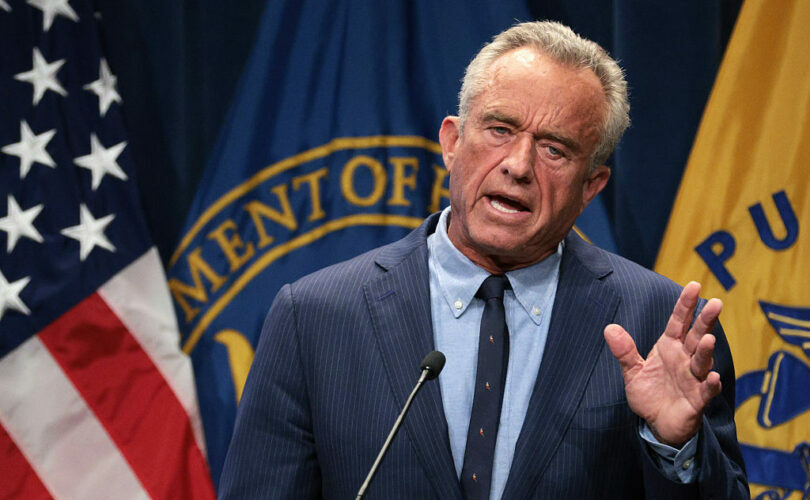
A bipartisan push is putting fresh pressure on Health and Human Services Secretary Robert F. Kennedy Jr. to keep a close eye on assisted suicide laws and make sure vulnerable people are not being pushed toward death instead of care. The warning centers on disability rights, informed consent, and the very real risk that desperation can look like choice when people feel cornered.
Senators James Lankford and Tim Kaine led the effort with a letter asking HHS to watch how states handle physician-assisted suicide and to guard against discrimination based on age or disability. Their message is simple enough: people should not be treated as disposable just because they are sick, disabled, or nearing the end of life.
The lawmakers point out that federal law already bars taxpayer money from being used for assisted suicide or euthanasia, and they note that the FDA has not approved any drug for the purpose of killing terminally ill patients. That matters because the debate is not just moral, it is also about whether state policies are drifting into territory that clashes with federal guardrails.
One of the biggest concerns in the letter is that assisted suicide laws can create a double standard for disabled patients. The lawmakers cite lawsuits arguing that people with serious disabilities are treated differently than patients who report suicidal thoughts in other medical settings, which raises the ugly question of whether some lives are being valued less than others.
The letter also highlights the reasons patients give for seeking assisted suicide, and those reasons are not always about pain. According to annual state reports, many cite loss of autonomy, less ability to do everyday activities, or loss of dignity, which can sound less like a medical decision and more like a cry for help from someone who feels life has narrowed too far.
That is where the pressure point gets especially alarming. People with mental health struggles can be vulnerable to suggestions that they are a burden, and once that mindset takes hold, the line between free will and quiet coercion can get blurry fast.
There are grave informed consent issues within physician-assisted suicide. Patients spend little time with the physician providing physician-assisted suicide relative to the course of their disease. Only 0.5% of patients received mental health referrals, even though many physician-assisted suicide patients show signs of depression, which can impair the decision-making process.
The lawmakers also warn that diagnoses are not always as solid as they seem, and that point is especially sharp when a practicing doctor is among the signers. Greg Murphy, a Republican congressman and medical doctor, joins in that concern, underscoring the view that medicine should be about healing, not rushing people toward a final decision they may not fully understand.
Then there is the money problem, which is hard to ignore once it is laid out. In some states, one witness to the request can stand to benefit from the death, whether through an inheritance, insurance payout, or simply the removal of a caregiving burden.
The letter says two witnesses are required in many places, but only one has to be disinterested, leaving room for obvious conflict. It also says no physician or witness has to be present when the patient actually takes the lethal drugs, which opens the door to fraud, pressure, and exploitation at the worst possible moment.
Lankford framed the issue in moral terms, saying every person has worth and dignity even in their final days. He argued that hospice should mean comfort, compassion, and real care, not a place where someone quietly feels nudged toward ending their life.
Kaine took a different angle but still raised concerns, saying everyone deserves control over end-of-life decisions while also insisting those choices must be free of coercion and discrimination. That split captures the larger national fight, where some see assisted suicide as autonomy and others see it as a dangerous signal that suffering people are being offered death before support.
Right now, assisted suicide is legal in 13 states plus the District of Columbia, and Illinois is set to expand access with relatively few safeguards. Some hospital systems there have already chosen not to participate, which says plenty about how unsettled this issue remains even inside the medical world.
Research has only deepened the unease. Reports have pointed to cases where insurance would cover assisted suicide but not treatment, and to situations abroad where vulnerable people, including veterans, were steered toward suicide instead of being offered the help they actually needed.
That is why this latest letter lands with so much force. It is not just about policy paperwork in Washington, but about whether the country still knows how to defend people who are frightened, sick, and vulnerable without handing them a prescription for the grave.
