
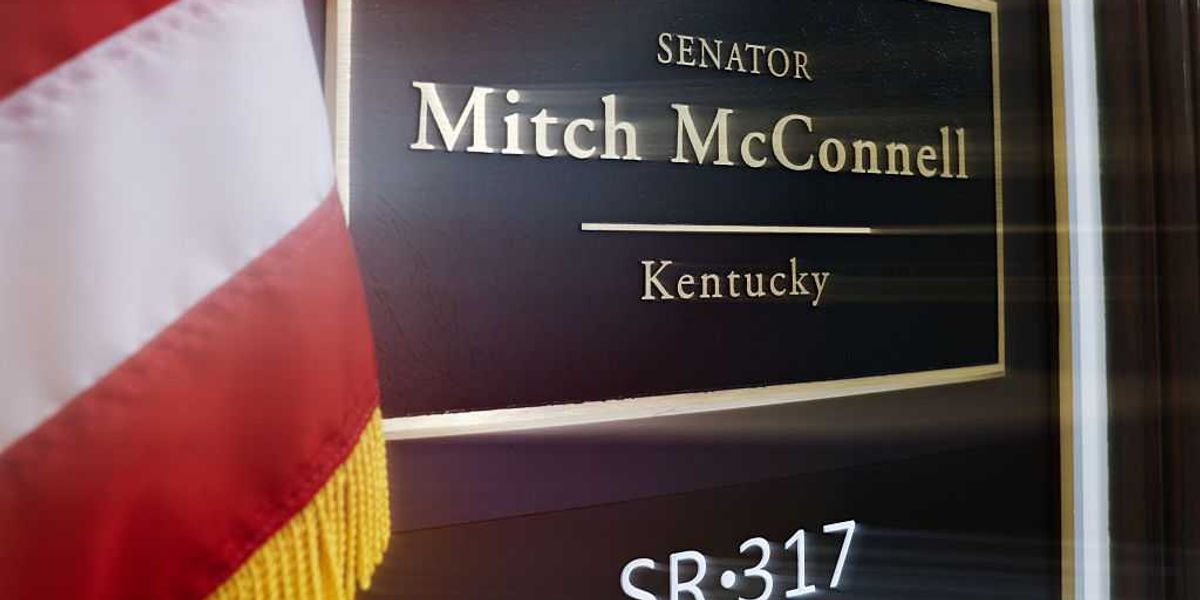
McConnell’s latest health update has stirred up fresh concern, not because it answered everything, but because it left the biggest questions hanging in the air. The situation has people watching closely, wondering what it means for his role, his pace, and the bigger picture inside the Senate.
The core issue is simple enough: when a public figure with this much influence faces repeated health questions, every update becomes a political event. Supporters want reassurance, critics want clarity, and everyone else is left trying to read between the lines.
That is why this latest news has landed with so much force. It does not just touch one senator’s personal condition, it also raises practical concerns about leadership, stamina, and how much the job still depends on one person carrying a heavy load.
Health rumors around major political names tend to spread fast, but this one has real weight because McConnell is not a background player. He has spent years shaping strategy, votes, and direction, so even a small change in his condition can ripple through the entire Senate.
For Republican voters and lawmakers, the immediate concern is not gossip, it is stability. A party cannot afford endless uncertainty around one of its most experienced figures, especially when the calendar is packed and the pressure never really lets up.
At the same time, there is a human side to this that should not get lost. Public life can be brutal, and when someone has spent decades under a microscope, every pause, stumble, or medical update gets turned into a talking point by morning.
Still, the questions keep coming because the updates have not fully closed the door on speculation. People are looking for plain answers, not polished language, and that hunger for clarity only grows when officials and allies stay vague.
That uncertainty matters more than usual in a place like the Senate, where timing and leverage can decide everything. If a top leader is dealing with health setbacks, the ripple effect shows up fast in scheduling, messaging, and the fight to keep a caucus moving in the same direction.
McConnell’s situation also brings out a broader truth about modern politics: age and endurance are now impossible to ignore. Voters see more of their leaders than ever, and they expect them to look capable, sound sharp, and stay steady under pressure.
That expectation can be unforgiving, but it is not unreasonable. When the stakes are this high, people want confidence that the person helping steer the ship can still handle the storm.
For now, the latest update has not settled the debate, and that is exactly why it keeps drawing attention. The story is bigger than a single statement or appearance, because what people really want to know is whether this is a short-term scare or something that changes the road ahead.
Until there is more clarity, the conversation is likely to keep circling around the same tense points. McConnell remains a major figure, the Senate still needs steady hands, and every new development will be measured against the same hard question: what comes next?

1 Comment
Resign, Retire Mitch You no longer wanted
Fill seat with MAGA