
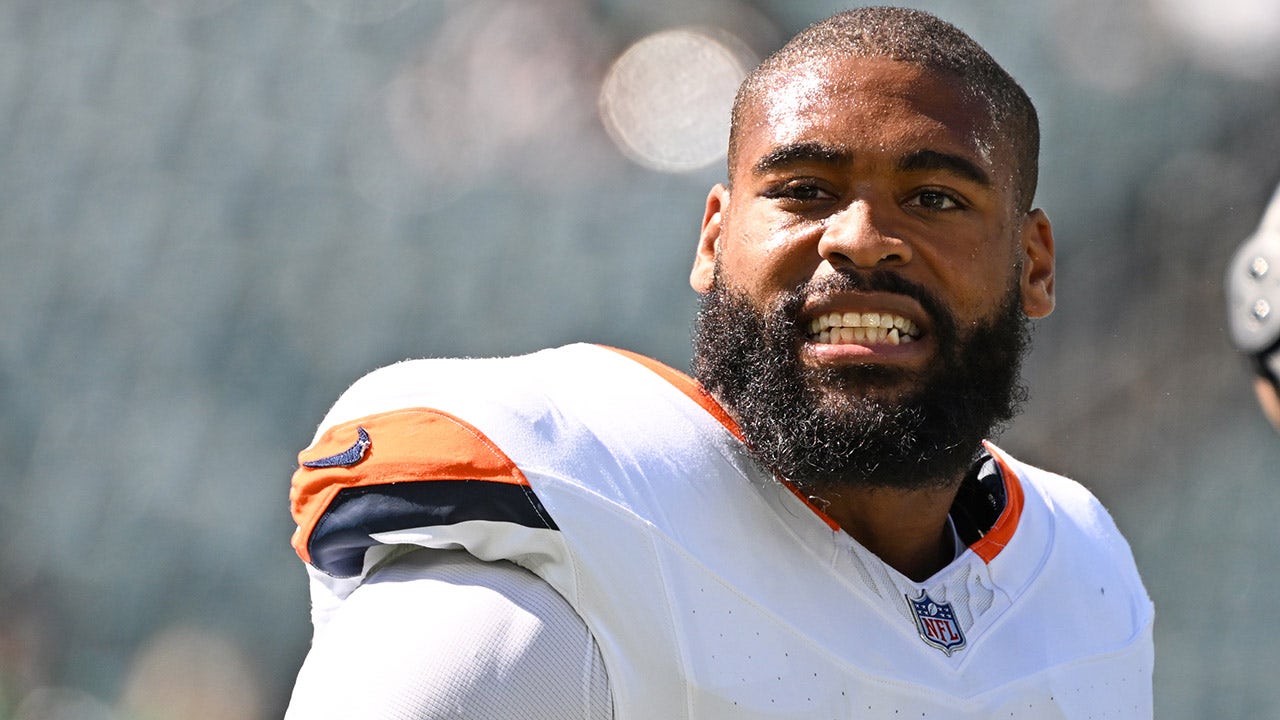
Jonathon Cooper, the Denver Broncos edge rusher, has broken his silence on social media after an arrest tied to alleged domestic violence. He posted a passage from the Bible and offered an apology, a move that immediately drew attention from fans, teammates, and league officials. This piece looks at what he said, how the team and league might respond, and the larger issues his case raises around accountability and support for everyone involved.
Cooper’s Instagram message was brief and personal, centered on a Bible verse and an apology for his actions. Public statements like that are often a first step for athletes facing legal trouble, meant to show remorse and begin to repair a damaged public image. But a short post cannot replace facts, and the legal process will determine the next steps for Cooper.
The Broncos organization has not publicly detailed any internal discipline at the time of the post, sticking to a familiar template of acknowledging the situation while saying little. Teams usually wait for legal outcomes and league direction before acting decisively, balancing due process with the need to uphold team standards. That measured approach can frustrate fans who want immediate accountability, and it can leave teammates uncertain about how to proceed publicly.
The NFL has established domestic violence policies that can lead to fines, suspensions, or mandatory counseling, regardless of criminal outcomes. Cooper’s conduct will be reviewed under those rules if the league opens an investigation, which often runs parallel to any criminal case. The league’s decisions tend to shape public perception even more than team responses, since they determine whether a player remains on the field.
Legal consequences are still unfolding, and courtroom timelines rarely match the speed of social media outrage. Cooper’s apology and biblical reference may resonate with some people, but prosecutors, victims, and juries will focus on evidence and testimony. Whatever the outcome, the process will be closely watched as another example of how professional sports handles off-field conduct.
Public reaction has been split between calls for punishment and reminders about due process, a pattern now familiar in high-profile athlete cases. Advocates for survivors of domestic violence stress that apologies are not enough without meaningful change and accountability. On the other side, supporters of Cooper highlight his right to a fair process and caution against immediate judgment driven by headlines.
Beyond the headlines, incidents like this force teams and leagues to examine the support systems available to players, from mental health resources to anger management programs. Preventive measures are as important as punitive ones if organizations want to reduce repeat incidents and protect everyone involved. That balance between accountability and rehabilitation is a recurring dilemma for franchises and the league alike.
For Cooper personally, the road ahead will include legal matters and scrutiny from a public that expects athletes to act responsibly. His post signals an attempt to take responsibility, but real consequences and any path to redemption will depend on legal findings and concrete steps he takes afterward. The situation remains active, and how the Broncos and the NFL respond will be watched closely by fans and critics alike.
