
New research shows a short, structured yoga program can ease insomnia, fatigue and mood problems that linger after cancer treatment, offering survivors a low-cost, non-drug option to regain everyday function and emotional balance.
Many cancer survivors expect relief when active treatment ends, but for a lot of people the hard part keeps going: sleepless nights, crushing tiredness and persistent anxiety or low mood. A clinical trial tested a targeted program called Yoga for Cancer Survivors, or YOCAS, to see whether a focused yoga routine could actually move the needle on these stubborn symptoms. The study compared standard survivorship care alone with standard care plus a four-week YOCAS intervention and found meaningful benefits for the group that added yoga.
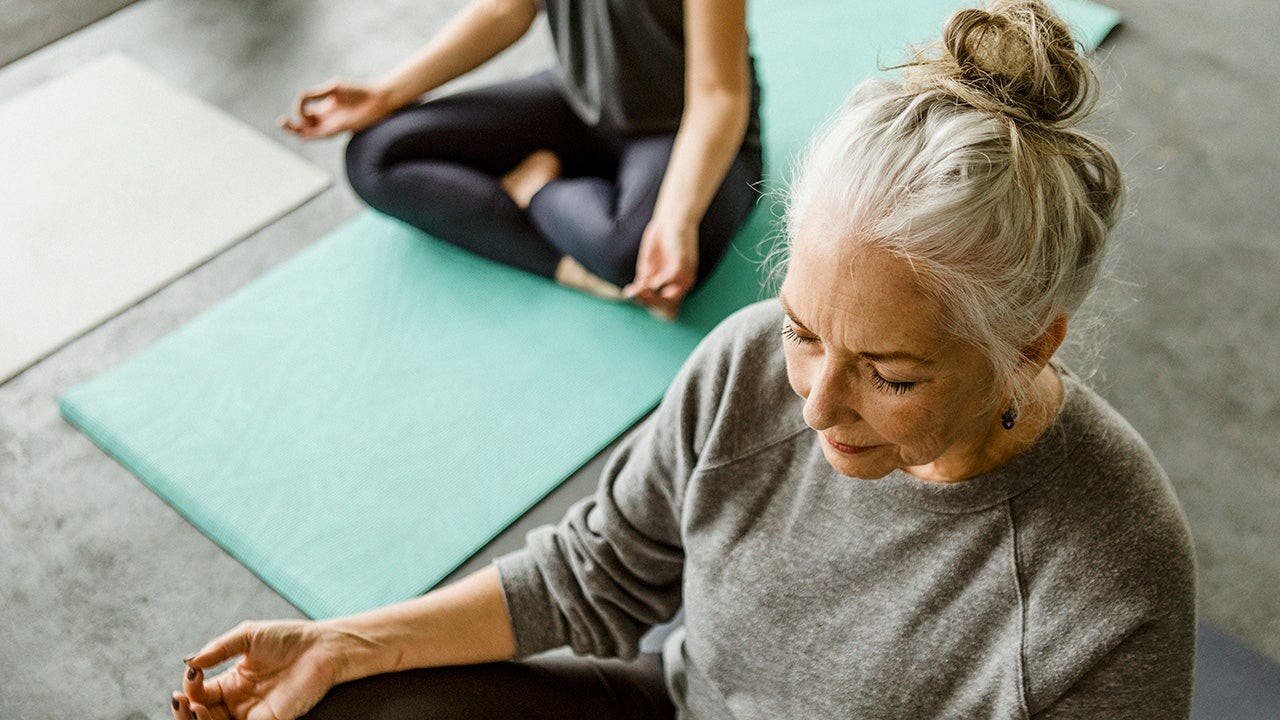
YOCAS blends two yoga styles: hatha, which is more active, and restorative, which is gentler and slower, with breathing work and mindfulness built in. Participants in the yoga arm averaged about 180 minutes per week across three sessions, practicing movements and breath that are easy to adapt. Most of the study’s participants were female breast cancer survivors, but the approach is designed to be modifiable for a wide range of physical abilities.
The researchers pointed out that mood disturbance and insomnia are “two of the most pervasive and troubling side effects experienced by cancer survivors for years after completing adjuvant treatments,” and the YOCAS group reported improvements in mood, anxiety and fatigue that the standard care group did not. They also noted that “Additionally, improvements in insomnia stemming from YOCAS yoga may be mediated by changes in overall [mood disturbance] and fatigue,” suggesting sleep gains may follow emotional and energy shifts. Those linked benefits matter because they affect daily living, work and relationships after cancer.
Experts involved with the trial framed the findings as practical and patient-friendly. “[The study is] an important advance because it offers survivors, who are likely already managing multiple medications, a non-pharmaceutical solution for reducing four different side effects at once,” Fumiko Chino, MD, said. That non-drug angle is attractive for people trying to limit pill burden and side effects while still getting symptom relief.
Supportive oncology leaders are not shocked by the results. “Yoga is one of the most widely studied and validated interventions for managing cancer-related fatigue, mood disturbance and overall physical health,” Pearman said. He also stressed that training has caught up to demand: “There are now a number of cancer-specific yoga teacher training programs nationwide,” which helps clinicians point patients to qualified instructors who understand post-treatment needs.
Survivors and clinicians alike point to yoga’s flexibility as a major advantage. The poses and breathwork can be tailored for mobility limits, treatment-related pain or surgical changes, making the practice inclusive. Pearman mentioned affordability as well — often all that’s needed is a mat and guidance — and non-profit groups frequently offer free classes geared to cancer recovery.
Beyond sleep and mood, yoga can help with physical problems tied to treatment, such as bone loss, cardiac risk factors and reduced balance or stamina. These are real, measurable issues that affect activity and independence, and regular gentle movement combined with breathing and mindfulness can blunt their impact. For many survivors, that means better function during everyday tasks and a calmer sense of control over their bodies.
Personal stories back the data. Shari Botwin, a thyroid-cancer survivor and clinical social worker, described how yoga became “transformative” months after her diagnosis and offered survivors she works with a supportive peer environment. She emphasized the emotional work yoga can foster after losing parts of one’s body or facing long-term side effects, helping people land in a kinder relationship with themselves. “It supports us into moving into a place of self-compassion rather than shame and self-hatred,” she said.
Clinicians recommend that survivors stick with movement they enjoyed before cancer, but also be open to trying yoga if symptoms persist. Almost any exercise helps, and yoga’s adaptability makes it an easy, low-risk next step. With growing evidence from trials like this one, yoga is becoming a well-supported option to add to survivorship care plans.
