
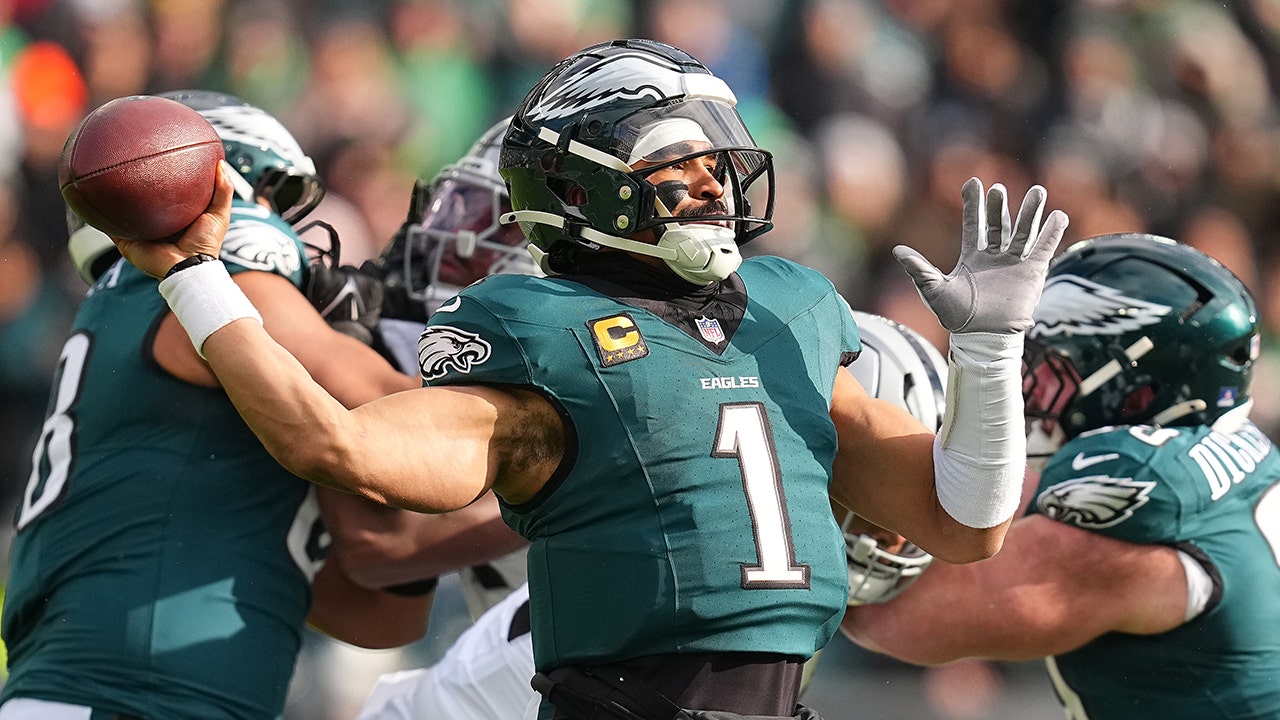
Jalen Hurts’ blood clot diagnosis has pushed blood thinners into the conversation, and not the casual kind. These medications can be lifesaving, but they also demand real caution, especially when injuries, travel, or other health risks pile up. The big takeaway is simple: blood thinners work best when patients understand the traps that can turn a helpful treatment into a dangerous one.
Blood clots are not just a problem for older or less active people. Even someone in peak condition can develop them, and a hard fall, a long flight, or a recent surgery can all help set the stage. That is why doctors keep stressing that fitness lowers risk, but it does not erase it.
The first mistake is stopping blood thinners without medical advice. Some people only need them for a short stretch, while others need longer treatment depending on the clot, the cause, and whether clots have happened before. Cutting treatment short can invite another clot, while staying on too long can raise bleeding risk.
The second mistake is playing games with the dose. Skipping pills over and over weakens protection, but doubling up after a missed dose is not a smart fix either. The right move depends on the exact medication, so the safest path is to follow the prescription instructions or call a pharmacist or doctor for guidance.
Another common problem is adding something new without checking first. Aspirin and NSAIDs like ibuprofen can raise bleeding risk when mixed with blood thinners, and some supplements can create trouble too. Fish oil and turmeric are two familiar examples that may affect bleeding or medication levels, even if they seem harmless on a store shelf.
That is where people get fooled by the word “over the counter.” Easy access does not mean automatic safety, especially when a medication is already changing how the body handles clotting. A quick check with a doctor or pharmacist can prevent a bad interaction before it starts.
The fourth mistake is shrugging off signs of serious bleeding. A little bruising may happen, but repeated nosebleeds, blood in the urine, or bruises that show up for no clear reason deserve attention. If there is vomiting blood, black stool, a sudden severe headache, confusion, vision trouble, or trouble speaking, that is urgent care territory.
Head injuries deserve extra respect in this setting. Even if someone feels fine right after a hit, a major blow to the head while on blood thinners should still be checked by a medical professional. Bleeding can be sneaky, and waiting for obvious symptoms can be a bad gamble.
The fifth mistake is assuming every activity is still fair game. A tough tackle, a crash, or even a simple fall can become much more serious when the blood takes longer to clot. That is a major reason Hurts will not be on the football field during treatment.
Exercise may still be possible, but the type of activity matters a lot. Non-contact movement can be fine for some patients, while contact sports and anything with a high chance of injury call for extra caution. The right answer is not guesswork, it is a conversation with the care team.
Blood thinners do not melt away an existing clot on the spot. They help keep it from getting bigger while the body does the slower work of clearing it out. That balance is exactly why the details matter, from the first dose to the last and every question in between.
