
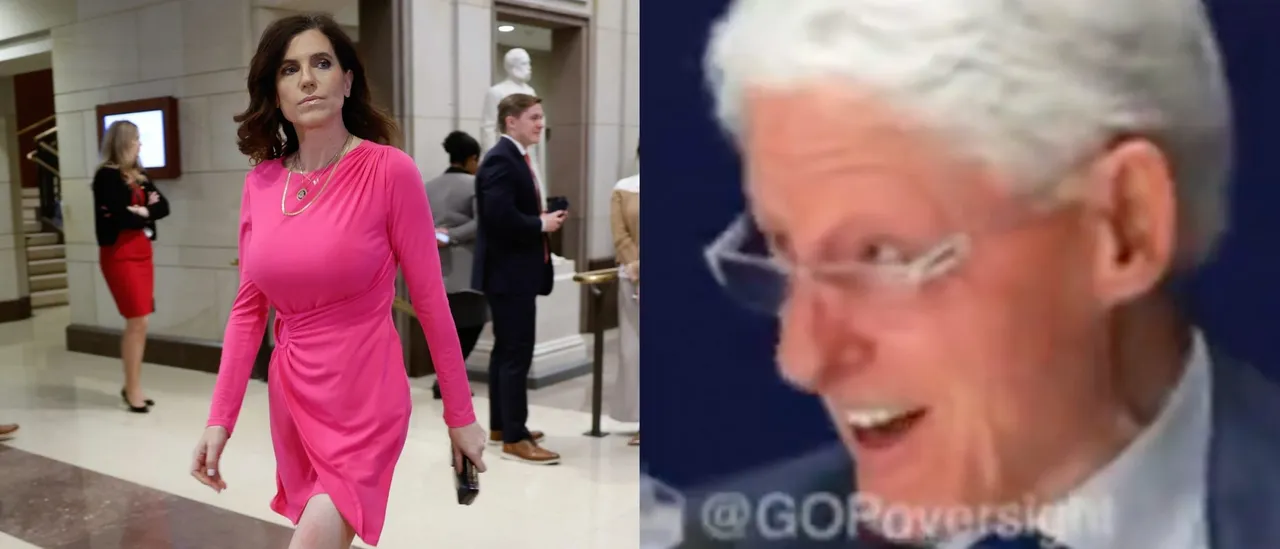
This piece walks through a viral deposition clip showing Bill Clinton flirting with Republican Rep. Nancy Mace, places the moment in the context of his well-known scandals, and makes the conservative case that behavior like this points to larger problems of accountability and respect for institutions.
The clip arrived like a slice of political theater, caught on camera during a deposition about Clinton’s connections to Jeffrey Epstein. Watching a former president deliver casual compliments across a table to a young congresswoman is jarring, especially when that former president’s past conduct is part of the public record. In the age of nonstop scrutiny, moments like this don’t disappear; they get replayed and judged. Conservatives see more than a flirtatious wink here — they see consequence-free elites acting above reproach.
Rep. Nancy Mace handled the exchange with calm professionalism, and that steadiness highlights the contrast. She represents a modern Republican who faces serious national debates and yet stays focused when a famous name flirts from the other side of the aisle. That composure matters to voters tired of political theater and moral double standards. The clip makes clear who is trying to lead and who is trying to charm their way out of scrutiny.
Bill Clinton’s past isn’t a mystery. His affair with Monica Lewinsky and the subsequent fallout are part of his public biography, and the Clinton name has long been tied in headlines to Jeffrey Epstein. Those connections raise questions about judgment and proximity to predators, and conservatives argue that proximity deserves relentless, transparent investigation. When a former president acts casual in a deposition tied to such weighty matters, it reads as disrespectful to victims and to the legal process.
There is a larger cultural point at work beyond any single wink or compliment. Americans expect accountability regardless of fame, yet high-profile figures often get softer treatment. Conservatives see a pattern: celebrity, power, and a comfortable media ecosystem that cushions famous misbehavior. That softness corrodes trust in institutions that are supposed to be impartial and force people to ask whether there are two systems of accountability in this country.
Watching the clip, it is hard to separate the performance from the politics. A deposition is a legal moment, not a social hour, and yet the tone shifted into flirtation. For many Republicans, that is emblematic: the powerful treating serious legal processes like casual banter because their status insulates them. The consequence should be a demand for stricter standards, better oversight, and no special treatment for former presidents or celebrities.
Conservatives are also right to highlight the optics for Congress and the judiciary. The moment undercuts respect for a deposition’s solemnity and suggests elites can behave as they please with few immediate repercussions. That perception fuels anger and cynicism among ordinary Americans who face strict rules at work, in court, and in public life. If the elite can smile through legal testimony, why should anyone else believe the system treats them fairly?
This isn’t just about one exchange. It’s about how political culture responds to it. The right answer is not to enjoy the spectacle but to push for clarity and consequences where warranted. Republicans argue for full transparency in investigations involving powerful figures and for equal application of the law. People should not get deference because they once held the highest office; accountability must be equal and impartial.
There is also a personal accountability angle. Public figures shape norms by how they act, and a former president’s casual flirtation during serious legal proceedings sends a message. Conservatives want leaders who model seriousness and respect for institutions rather than using charm to deflect scrutiny. If anything, moments like this strengthen the call for better ethical standards for those who reach the top.
Ultimately, the clip of Clinton and Nancy Mace is more than gossip; it’s a prompt for policy and cultural debate. It exposes the gap between celebrity privilege and everyday responsibility and puts a spotlight on why equal enforcement of rules matters. Republicans will keep pressing the point: fame does not excuse flippancy when important inquiries are underway, and institutions deserve better.
Watch the wild clip here:
