
We rang in 2026 humming “Auld Lang Syne” and looking back at a year that read like a fever dream: rogue animals, political theater, eco hypocrisy, and some workplace tales that make you lock the office fridge. This roundup chases the seven wildest threads of 2025, picking the stories that felt both absurd and telling. Read on for the weird, the funny, and the faintly terrifying highlights of a year that refused to behave.
One of the stranger workplace sagas involved a summer associate at a major law firm who apparently decided the office was a jungle gym. The headline gem was “a Biglaw summer associate bit people at the firm — with her teeth.” Colleagues slapped labels like “Biglaw Biter” and even joked “Associate Lecter” while reports said at least five people were bitten, and described the vibe as “a faux-quirky manic pixie dream girl crossed with the Donner party vibe.” Yes, this happened in a place paid to act reasonable.
Activist theater kept delivering low comedy, especially from an organization that treats shock value as a marketing strategy. Students were asked to host a plaque “that would commemorate the millions of chickens, cows, fish, pigs, and others who have been killed and served there as food,” which drew laughter and eye rolls. The manure stunt was next-level: organizers tried to dump a truckload on a rival group and ended up with a frozen mess, leaving a scene described by one observer as a truck “full of … manure.”
The climate confab meant to save the planet quietly resembled an upscale vacation for elites with a green PR label tacked on. The summit touted “sharing insights and best practices” even as construction cleared huge swaths of rainforest to build a ceremonial highway called Avenida Liberdade. More than 56,000 attendees flooded the event and some stayed on docked cruise ships that openly boasted they “offers 11 restaurants, 12 bars, three swimming pools, and eight hot tubs,” which says everything about the gap between messaging and reality.
A state mental health advisory board meeting went viral for one simple reason: an introduction that tossed gender talk into new territory. The member began, “Hello everybody, it’s JD. I use they, them and turtle for my pronouns,” and later appeared on social profiles as “JD Terrapin.” Online subculture even labeled the identity “turtlegender” or “tortoisegender,” which left a lot of people asking whether the whole thing was earnest or a prank made to feed social media algorithms.
Media spin took a familiar turn when street violence met sympathetic headlines and euphemism became the coverage of choice. Protest coverage repeatedly leaned on phrases like “initially peacefully.” and “largely peaceful” while footage and eyewitness reports painted a rougher picture. The word “mostly peaceful” resurfaced so often it became a meme, and public patience with selective phrasing ran thin as cities dealt with fires, looting, and taxpayer-funded cleanup bills.
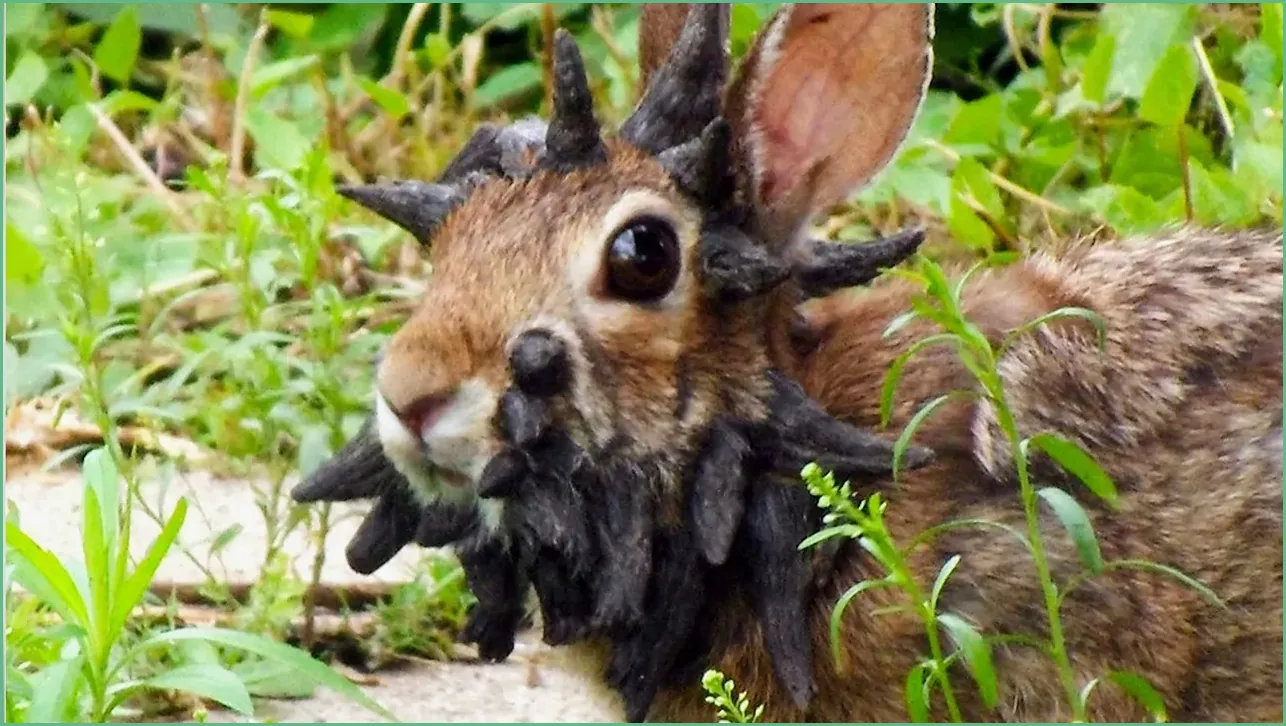
Animal weirdness never took a season off, and one story felt straight out of a bad sci-fi script: wild rabbits with strange growths that looked like horns. The bulletin screamed WILD RABBITS SPOTTED WITH STRANGE ‘HORN-LIKE’ GROWTHS SPROUTING FROM THEIR HEADS and scientists explained the culprit is a virus that makes wartlike projections. The reassuring line from experts was blunt: “They’re harmless, experts say.” but the image of horned cottontails haunted message boards all summer.
Media figures kept reinventing themselves, and some reinventions crossed into eerie territory when AI entered the grief industry. A once-prominent anchor turned interviewer used a computer avatar to speak with a deceased teen’s likeness, which critics called part of a trend toward “grief bots” and “digital immortality.” The tactic played to emotion while raising ethical red flags about who profits from sorrow and where the line between comfort and exploitation should sit.
Between political theater, activist stunts, and uncanny animal news, 2025 felt less like a list of isolated episodes and more like a series of cultural experiments with attention as the currency. The ugly, the absurd, and the occasionally brilliant all found headlines, and the public got to judge which served the common good and which did not. It’s a brave new world, all right, except that “Brave New World” was a dystopian satire. And this is, oh, right, real.
