
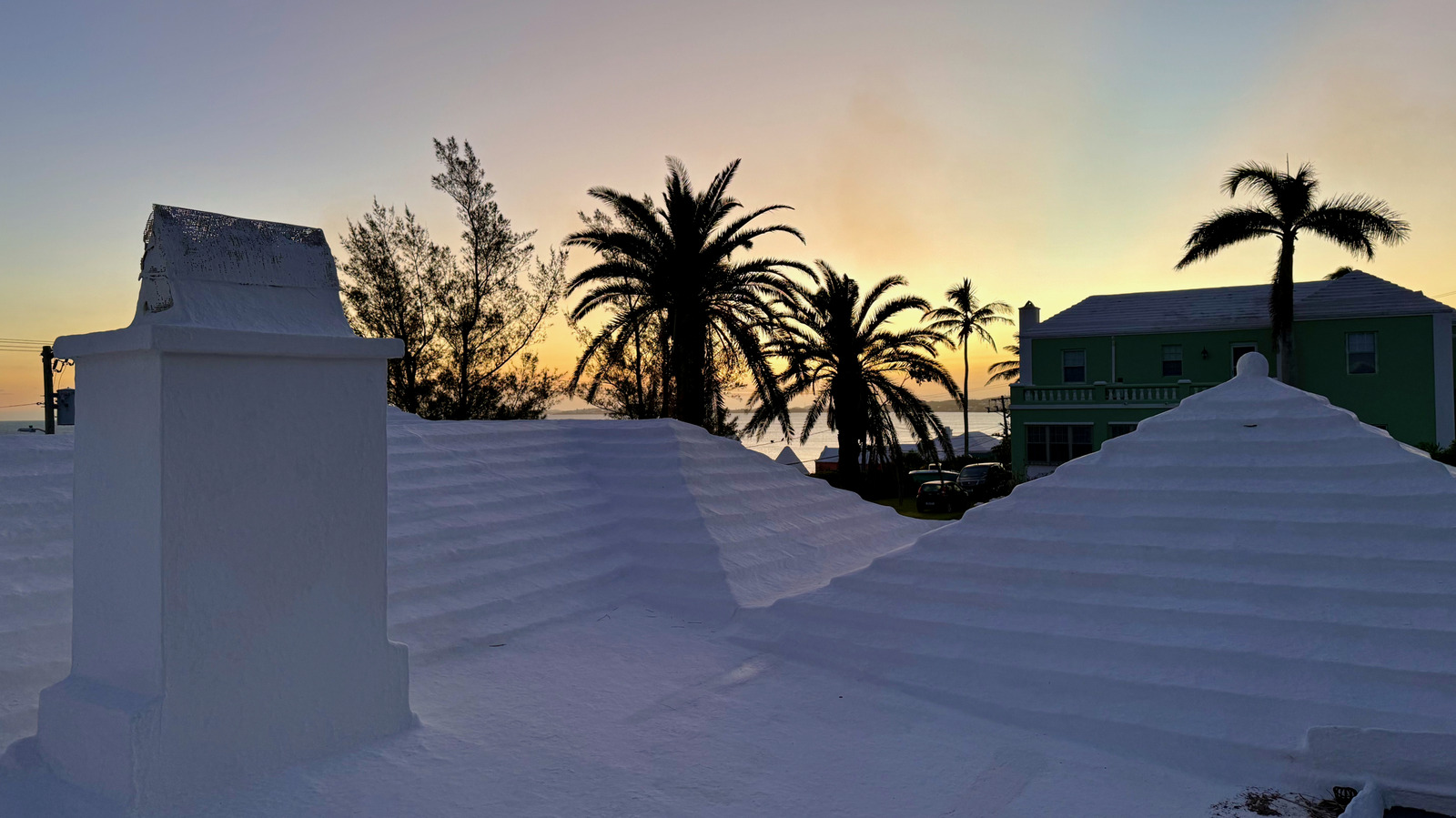
Bermuda’s quietly stubborn answer to the global water squeeze is almost absurd in its simplicity: collect what falls from the sky and store it where you live. This isn’t flashy tech or headline-grabbing engineering, it’s everyday architecture and a few clever habits that add up to reliable water for households. If you’re tired of hearing about giant plants and expensive pipes, the island’s approach feels like a breath of fresh, salty air.
Across the world, water stress is becoming the new normal, hitting cities and farms alike. Big infrastructure projects often dominate the conversation, but they carry big bills and long timelines. That leaves a huge opening for low-tech solutions that communities can adopt quickly and affordably.
Bermuda leans on rain capture and storage as a cultural habit as much as a utility. Roofs are shaped and maintained to channel rain into tanks or cisterns, and households treat rain as a primary source rather than an occasional supplement. It’s a system designed around the local climate and built into daily life, not tacked on as an afterthought.
The mechanics are straightforward: roof surfaces direct precipitation into gutters, which feed into covered storage that protects water from contamination and evaporation. Simple filtering keeps debris out, and basic screens prevent mosquitoes and pests. The whole setup uses off-the-shelf parts and common building practices, which makes repairs trivial for most homeowners.
One of the most compelling things about this approach is cost. Compared with desalination or long-distance piping, rain collection needs little capital and almost no specialized labor. That lowers barriers for small communities, rural towns, and places where budgets and technical skills are limited. It also spreads water security across many households instead of concentrating it in a single facility.
Maintenance is modest but essential: keep roofs clean, check gutters, and test stored water periodically. Those are chores anyone can learn, and they create local ownership over a critical resource. When residents are responsible for their own supply, resilience improves because outages and system failures can’t cripple an entire region at once.
There are trade-offs. Rain-fed systems depend on local rainfall patterns, so they work best where precipitation is at least somewhat regular. When drought hits, larger communal tanks or tie-ins with alternative supplies can help bridge shortfalls. Still, even partial reliance on captured rain reduces pressure on centralized systems and buys valuable time during acute shortages.
Compared with energy-intensive options like desalination, low-tech capture is kinder to the climate and easier to scale incrementally. You can add tanks to one home today and expand a neighborhood program next year. That flexibility matters when funding is tight and political will is unpredictable.
For places facing water scarcity, the lesson is practical: resilience often grows from many small, autonomous steps rather than a single grand project. Bermuda’s model shows how design, routine maintenance, and modest investment can deliver dependable water without waiting for big financing or advanced tech. It’s not the only answer, but it’s a clear, workable piece of the puzzle for communities that want solutions they can put in place now.
