
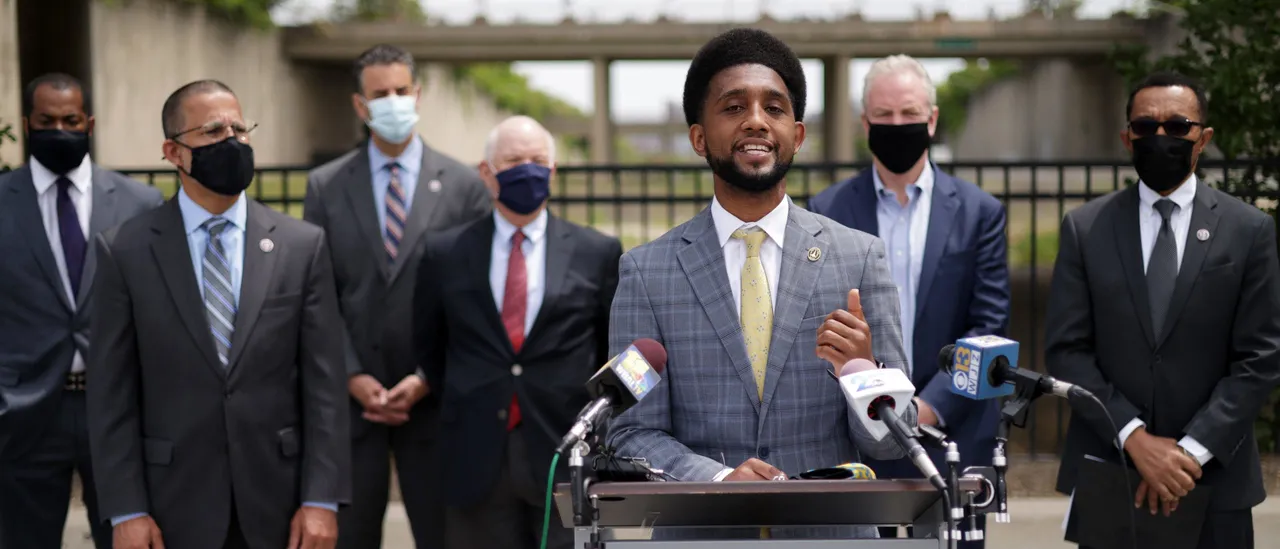
Baltimore’s inspector general has taken the rare step of suing Mayor Brandon Scott, accusing his office of blocking access to payroll and records tied to the city’s anti-violence program and hampering probes into alleged fraud and waste. The legal fight centers on whether the mayor can withhold documents from the watchdog tasked with rooting out misuse of taxpayer dollars.
The lawsuit says the mayor’s office has repeatedly denied or heavily redacted records from the Office of Neighborhood Safety and Engagement, known as MONSE, which was created to reduce gun violence through community work. That stonewalling, the complaint contends, undermines the inspector general’s “ability to adequately investigate complaints of fraud, financial waste, and abuse in City government.”
For years the city turned over documents without drama, the inspector general’s office says, but the relationship soured in 2025 when requests for payroll information met resistance. Officials reportedly argued state law prevented sharing certain materials, prompting a sharp legal response from the watchdog that wants clear access to do its job.
Mayor Scott defended his position in public comments, insisting the administration acted within the law. “The state law is clear,” he said, and added that “The actions that we took complied with the state law.” Those lines are the administration’s central defense as the case proceeds through local court.
The inspector general’s filing pushes back hard, saying the city’s posture “disregards the plain language of the City Charter and the independence enshrined upon the [inspector general’s office] through the will of the people, denying [her] direct access to information critical to carrying out the duties and responsibilities of the office.” That language frames the fight as more than a records spat; it’s a test of institutional independence.
Lawmakers in Annapolis moved quickly after the dispute surfaced, drafting legislation meant to make clear that inspector general requests are not subject to the state statute the mayor cites. The bill signals bipartisan concern that local watchdogs must have clear, enforceable access to documents that matter in corruption and waste probes.
Concerns about government spending aren’t limited to Baltimore; a recent state-level review found excessive overtime and other management failures that cost Maryland taxpayers millions. That broader pattern gives extra weight to the inspector general’s argument that oversight mechanisms need teeth and that transparency can’t be optional when public funds are on the line.
Republican-leaning watchdogs and fiscal conservatives will see this lawsuit as a commonsense fight for accountability: elected officials can’t shield internal records that reveal whether taxpayer money was spent properly. When a mayor creates a new office with public money, taxpayers have a right to know how payroll and contracts are handled, and independent oversight is the mechanism that enforces that right.
The mayor’s team has argued confidentiality and state rules justify redactions, but the inspector general contends those claims are a pretext for hiding information that could reveal mismanagement. Courts will have to sort the legal technicalities, but the political reality is already in play: voters expect transparency, not secrecy, when local leaders promise to address violence and community needs.
At stake is the balance between executive control and watchdog authority inside city hall, a balance voters rarely see litigated so publicly. If the inspector general prevails, it would reinforce a simple principle: oversight offices must have clear, unimpeded access to the records they need to protect taxpayers and preserve public trust.
