
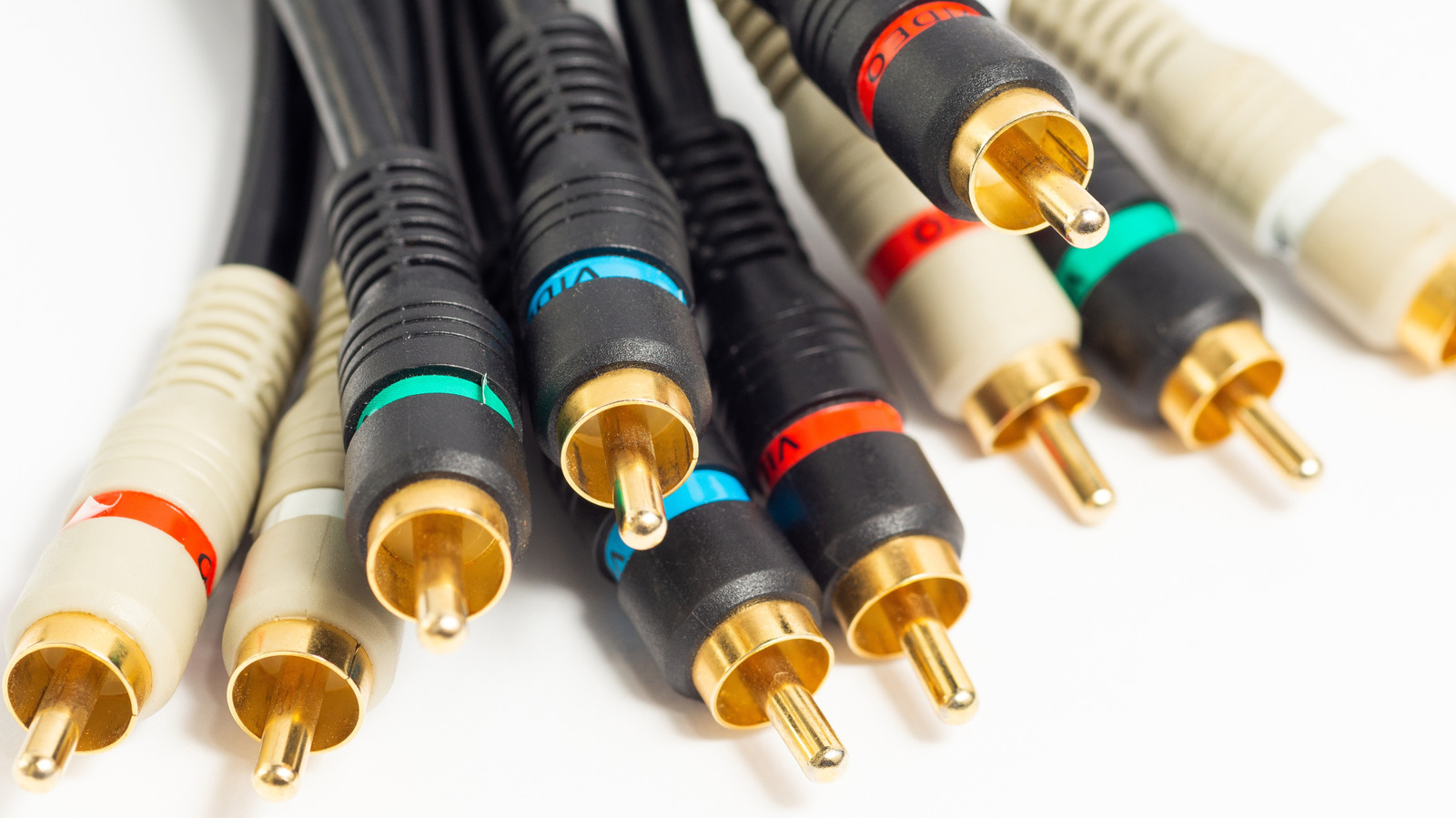
This piece rips through the premium cable myth with straight talk and science. It walks you through the test that challenged long-held audiophile beliefs and shows where your money actually matters in a Hi-Fi chain.
For decades a simple idea spread: spend more on cables and your system sounds better. A controlled scientific test challenged that claim by isolating variables and focusing on measurable differences rather than anecdotes. The result was blunt and unsettling for anyone who built their setup around shiny wires.
The test setup compared expensive boutique cables against well-made, modestly priced alternatives using the same electronics, speakers, and listening environment. Measurements looked at frequency response, distortion, and channel balance while blind listening panels assessed perceived changes. When objective data met blind perception, the supposed sonic miracles attributed to pricey cables largely disappeared.
At the heart of the issue is physics. Conductors, resistance, capacitance, and inductance behave predictably, and once a cable meets basic electrical needs for a given speaker and amplifier, further changes produce vanishingly small effects. Those micro differences are often below the threshold of audibility and well within normal manufacturing tolerances, so listeners can be fooled by expectation and confirmation bias.
Another layer is the psychology of listening. Expectations shape experience, and visual cues or brand stories can make people hear what they hope to hear. Controlled blind tests strip away those cues and force the ear to rule on sound alone, which is why they are so revealing at exposing claims that rely more on marketing than on measurable improvement.
That does not mean cables are irrelevant. Poorly made or undersized cables can affect performance, especially with long runs or low-impedance speakers, so basic standards matter. Choose cables with proper gauge for the distance and reliable connectors to avoid signal loss, hum, or intermittent contacts that are real audio problems, not mythical ones.
Practical veteran advice: spend your money where it moves the needle. A better amplifier, properly treated room acoustics, or higher quality speakers will deliver far more audible benefit than swapping out speaker cables for a luxury model. Investing in solid setup and measurement will improve sound in ways that are repeatable and verifiable, not just marketable.
The test’s takeaway nudges hobbyists toward skepticism and measurement. Enjoy the ritual of upgrading gear if it brings you joy, but recognize the difference between meaningful improvements and expensive placebo. In the end, sound quality gains come from addressing the biggest problems first, not chasing tiny electrical tweaks that disappear under real-world conditions.
