
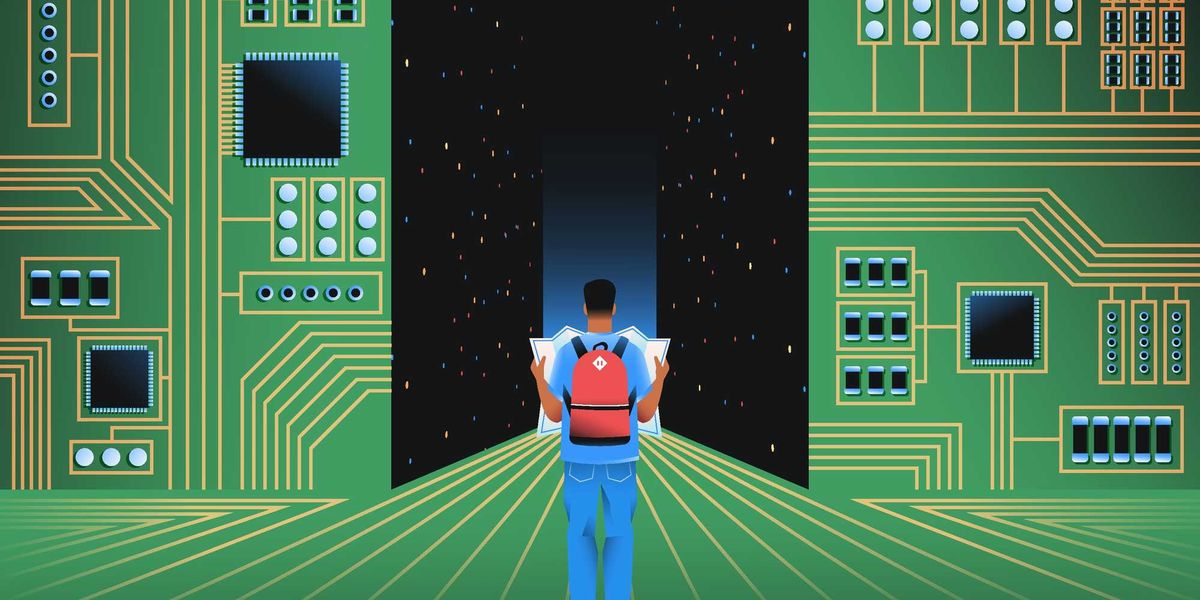
Online life is getting stranger in a way that many people can feel but not always name. The simple act of proving “I’m human” is turning into a messy checkpoint, and the tools meant to fix that are adding fresh headaches of their own.
Human verification started as a small annoyance. Now it sits right at the center of everyday browsing, blocking bots, slowing down real users, and asking people to jump through hoops that are supposed to separate flesh-and-blood visitors from automated scripts.
That tension keeps growing because the bots keep getting smarter. What once looked like a quick box to click has turned into a whole arms race, with websites tightening defenses and visitors absorbing the fallout when those defenses get clunky, confusing, or just plain broken.
One of the biggest twists is that the “solution” often behaves like the problem. Systems designed to protect websites can end up making access more frustrating, especially when they demand extra steps from people who are already tired, distracted, or using a device that does not cooperate with the process.
The irony is hard to miss. The internet keeps asking humans to prove themselves while also making that proof less reliable, less graceful, and more dependent on layers of technology that are not always transparent to the people using them.
Part of the issue is that online identity has become deeply entangled with convenience. People want to move fast, log in quickly, and get to what they came for, but verification tools keep inserting friction into that path, often with little explanation and no sense of whether the hassle is actually worth it.
At the same time, bad actors are exploiting the gaps. Spam, scraping, fraud, and automated abuse push platforms to harden their defenses, but every extra barrier can also lock out legitimate users who simply want to read, buy, sign in, or comment without getting treated like a suspect.
That balancing act is getting tougher because AI changes the game. Machines can now imitate human behavior well enough to blur the line, which means older tests are easier to fool, while newer ones tend to become more invasive, more complex, and more annoying for everyone else.
There is also a trust problem baked into all of this. When a website asks for repeated proof that a visitor is real, the experience can feel less like protection and more like a digital toll booth, especially when the system fails for no obvious reason and forces people to try again and again.
For many users, the core frustration is not just the delay. It is the sense that the web is becoming less open and less human, even as it talks nonstop about security, authenticity, and safety.
That creates a weird contradiction. The more sophisticated the checks become, the more they can resemble the very systems they are trying to stop, and the more ordinary users end up paying the price in time, patience, and access.
Some people shrug it off as a minor inconvenience, but the broader pattern matters. When proving humanity becomes a routine obstacle, the internet starts to feel less like a place built for people and more like one built to interrogate them.
The pressure keeps building, and so does the sense that the fix is not as simple as adding another gate. The real challenge is building systems that can stop bots without turning everyday life online into a chain of suspicious little hurdles.
