
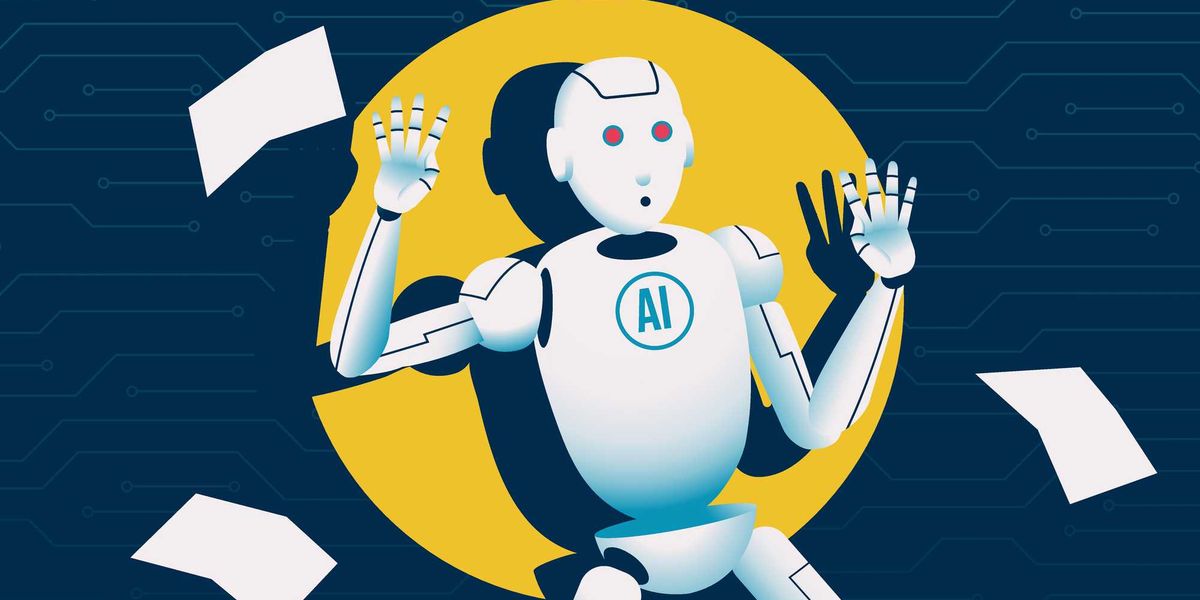
Artificial intelligence is moving fast, and the big question is no longer whether machines can write. The real fight is whether anyone can reliably tell when they did. That uncertainty is starting to shake up schools, workplaces, publishers, and just about anywhere people care about authenticity.
One reason this debate gets so messy is that AI text keeps getting better at sounding smooth, polished, and confident. What used to feel obviously robotic can now pass as clean, natural prose at a glance, which makes old assumptions about tone and style a lot less useful. If a system can mimic the rhythm of human writing so well, then the burden shifts from spotting obvious glitches to judging intent, context, and evidence.
Schools are already feeling the pressure. Teachers want to know whether an essay reflects a student’s own thinking or a machine’s help, but detection tools are far from perfect and can punish honest students by mistake. That creates a nasty trap where institutions want firm answers, yet the technology itself keeps delivering guesses dressed up as certainty.
Businesses are facing a similar problem. Hiring managers, editors, and customer-facing teams all want reliable ways to separate genuine work from synthetic text, especially when the stakes involve trust, quality, or liability. But if the screening tools are too aggressive, they can flag harmless writing patterns and create a climate where people feel they have to prove their humanity before they can even be heard.
There’s also a broader cultural issue here. A lot of online communication already feels slippery, and AI makes that feeling worse because the line between a real person and a generated response can blur in a second. That does not mean every polished paragraph is suspicious, but it does mean readers are becoming more careful about what they believe and why they believe it.
The problem is not just that machines can write. It’s that people are now trying to build systems that detect machine writing, and those systems often rely on patterns that can be imitated, hidden, or changed. As AI models evolve, the cat-and-mouse game gets faster, and the confidence gap between what is guessed and what is known gets wider.
That is why the conversation keeps circling back to accountability. If an AI tool is used in a classroom, newsroom, office, or public platform, someone still has to own the result instead of hiding behind the software. The technology may be impressive, but responsibility cannot be outsourced to a detector that only thinks it knows the answer.
What makes this moment so tricky is that people want simple labels in a situation that refuses to stay simple. Human writing can be short, awkward, repetitive, or even strangely formal, while AI can be warm, polished, and convincing, so surface-level judgment is no longer enough. In practice, the best defense may be a mix of skepticism, transparency, and a willingness to ask better questions before jumping to conclusions.
There’s a real tension running through all of this, and it is not going away anytime soon. The more advanced AI gets, the harder it becomes to draw a clean line between authorship, assistance, and imitation, which means the argument over trust is only getting started.
