
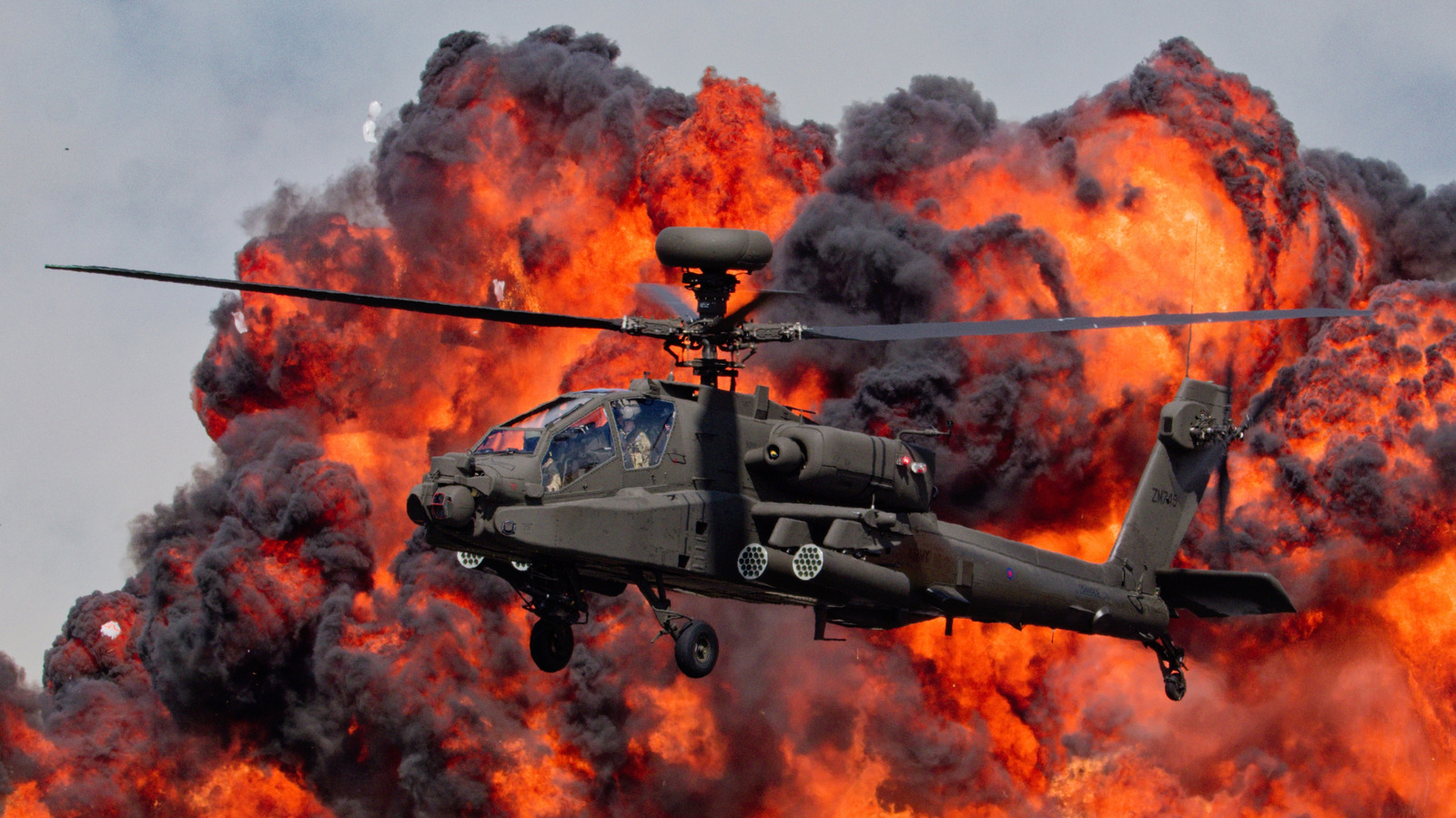
Pilots who fly the AH-64 Apache face an intense training path that goes beyond standard military flight school, blending advanced flight skills with weapons mastery, sensor operations, and survival tactics to keep crews lethal and safe on modern battlefields.
Becoming an Apache pilot starts with the same basic flight foundations as other Army aviators, but quickly branches into a specialized world where helicopter aerodynamics meet complex weapons systems. Trainees spend long hours on simulators that replicate night missions, system failures, and enemy engagements, so mistakes happen in a safe environment and lessons stick. That simulator time is paired with live-fly exercises that push pilots to manage stress, coordinate with crew, and make split-second targeting decisions while controlling a heavy, agile attack helicopter. The goal is to produce aviators who can operate the aircraft, exploit its sensors, and fight as an integrated part of a combined-arms team.
Apache training emphasizes crew coordination because the aircraft is a two-seat, highly integrated weapons platform. Pilots and copilots must converse with crisp brevity while trading control, tracking targets, and cueing systems like the Target Acquisition Designation Sight and Pilotage (TADS-PDTS). Effective communication reduces mistakes under fire and lets the team maximize the Apache’s long-range missile and cannon capabilities. That cooperative practice happens in classroom drills, gunnery ranges, and multi-ship tactics events that simulate contested airspace.
Night and low-visibility operations are a major focus since many missions occur after dark or in bad weather. Pilots train extensively with night vision systems, infrared sensors, and terrain-following techniques that keep the helicopter low and survivable. Practicing at night teaches pilots how to interpret sensor feeds and maintain spatial orientation when visual cues are limited. Those hours are critical because operating silently and unseen can be the difference between mission success and catastrophic exposure.
Weapons handling is drilled until it becomes instinctive; pilots must transition from piloting to targeting in seconds. Live-fire exercises combine rockets, Hellfire missiles, and the 30mm chain gun to create realistic engagement scenarios. Crews practice target acquisition, weapon selection, and collateral damage assessment under time pressure, ensuring choices are fast and informed. Repetition builds the reflexes that let pilots focus on the bigger tactical picture while letting weapons systems do their job.
Maintenance awareness and systems knowledge are woven into training so pilots understand how their actions affect aircraft readiness. Familiarity with diagnostics, emergency procedures, and basic maintenance allows pilots to respond quickly to mechanical issues or sensor failures in flight. That technical literacy also improves communication with ground crews, speeding repairs and reducing downtime. An Apache pilot who knows the machine inside and out helps keep squadrons mission-capable during intense operations.
Survival, evasion, resistance, and escape training are standard because pilots risk being downed behind enemy lines. These lessons teach how to survive in hostile environments, signal to friendly forces, and evade capture until rescue. Practicing these skills reduces panic and improves the odds of returning safely if a mission goes wrong. The mindset built by survival training reinforces the personal responsibility pilots carry for themselves and their crews.
Stress inoculation and decision-making under pressure are core themes: pilots repeatedly face ambiguous information and must act with incomplete data. Training scenarios purposefully introduce sensor conflicts, deceptive signatures, and electronic interference to force reliance on judgment, not just instruments. That mental toughness comes from iterative exposure and after-action reviews that dissect choices and outcomes. Over time, pilots learn to prioritize mission objectives while managing risk for their aircraft and ground forces below.
Continuous training never stops; technology upgrades, new tactics, and evolving threats mean constant relearning. Veteran crews mentor newcomers, sharing hard-earned tricks that aren’t in manuals but matter in combat. Regular joint exercises with other services and allied forces sharpen interoperability and prepare Apache units to function in coalition operations. In the end, the unique blend of flying skill, sensor mastery, weapons proficiency, and team cohesion is what makes Apache pilots a decisive element on the battlefield.
