
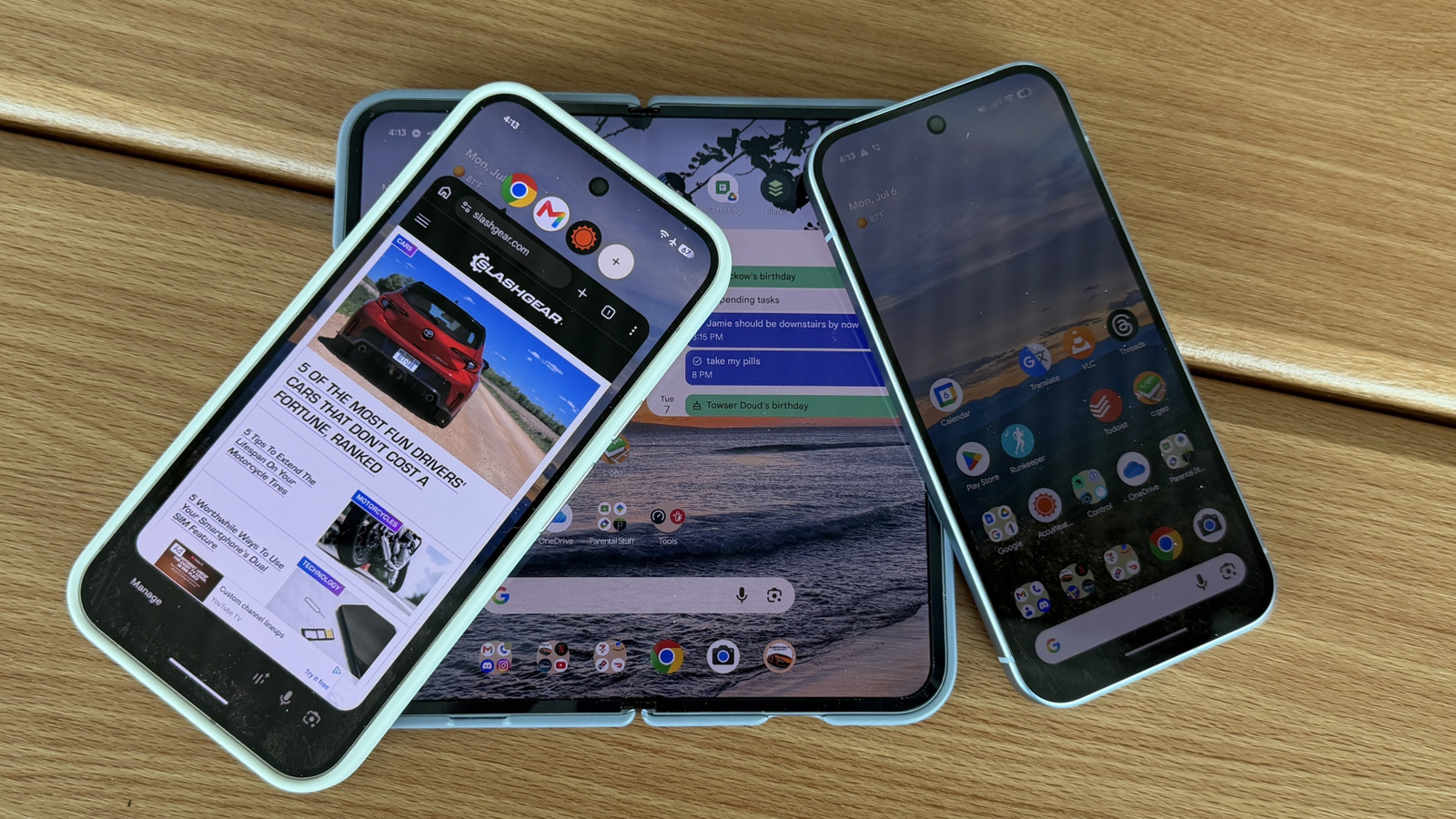
Android 17 has started reaching Pixel phones and will land on other handsets soon, bringing a tidy set of upgrades aimed at everyday use. This piece walks through the rollout, the privacy and battery wins, the smarter on-device features, and what app makers will care about. Expect practical changes more than flashy gimmicks, and a clearer path for updates across devices.
Google is seeding Android 17 to Pixels first, with partners and broader manufacturers scheduled to follow in waves. That staggered rollout means current Pixel owners get first dibs on the new bits while other brands work through testing and carrier approvals. If you do not see it right away, your phone maker’s update cadence will determine when it lands for you.
Privacy takes a visible step forward in Android 17 with tighter controls and clearer visibility into what apps are doing. You get more transparent permission handling and tools that show which background services are active, so it is harder for apps to hide activity. Those APIs are also nudged toward on-device processing to keep sensitive data local whenever possible.
Battery life and everyday performance are core focuses, with smarter background management and tweaks that cut wasted wakelocks. Apps that do not need to run constantly are more aggressively paused, and the system schedules heavy work for moments when the device is plugged in or idle. The result is fewer surprise battery drains and snappier interactions when you pick the phone back up.
On-device intelligence feels more useful and less like a buzzword in Android 17, powering things like smarter suggestions and predictive text that works without sending raw data to the cloud. Camera processing benefits from faster on-device pipelines, and quick replies or suggested actions show up more accurately in context. These features emphasize speed and privacy by keeping sensitive computations local to the handset.
The user interface is polished in small but meaningful ways that make daily navigation smoother and less fiddly. Quick settings and notification handling get minor but sensible adjustments, and gestures feel a touch more responsive. Multitasking sees sensible improvements too, with split-screen transitions and app switching that are less likely to break during heavy use.
Camera and media tools get a practical lift in Android 17, focusing on usability for regular shots and casual edits. Expect better tone mapping and noise control in challenging lighting as well as faster export times for edits and clips. Audio handling gets attention as well, with improved codec support and smoother behavior when switching between Bluetooth devices.
For developers, Android 17 tightens compatibility expectations while offering clearer APIs for background work and privacy-respecting features. App updates that target the new release will benefit from system optimizations and may need small changes to permission handling. Carriers and OEMs will stagger delivery, so testing on target devices ahead of wide distribution remains important.
