
Big tech names often look timeless, but their early lives were anything but sleek or digital. Some began with humble products, odd side hustles, or entirely unrelated trades before landing on the industries that made them famous. The result is a set of brand origin stories that feel more like plot twists than business plans.
Change is the common thread, and in every case the shift came from pressure, opportunity, or plain survival. A card maker became a gaming giant, a trading company turned into an electronics powerhouse, a pencil brand evolved into a respected hardware name, and a paper mill eventually produced one of the most recognizable mobile-phone companies on Earth. Those leaps did not happen overnight, but they did change what these names mean to millions of people today.
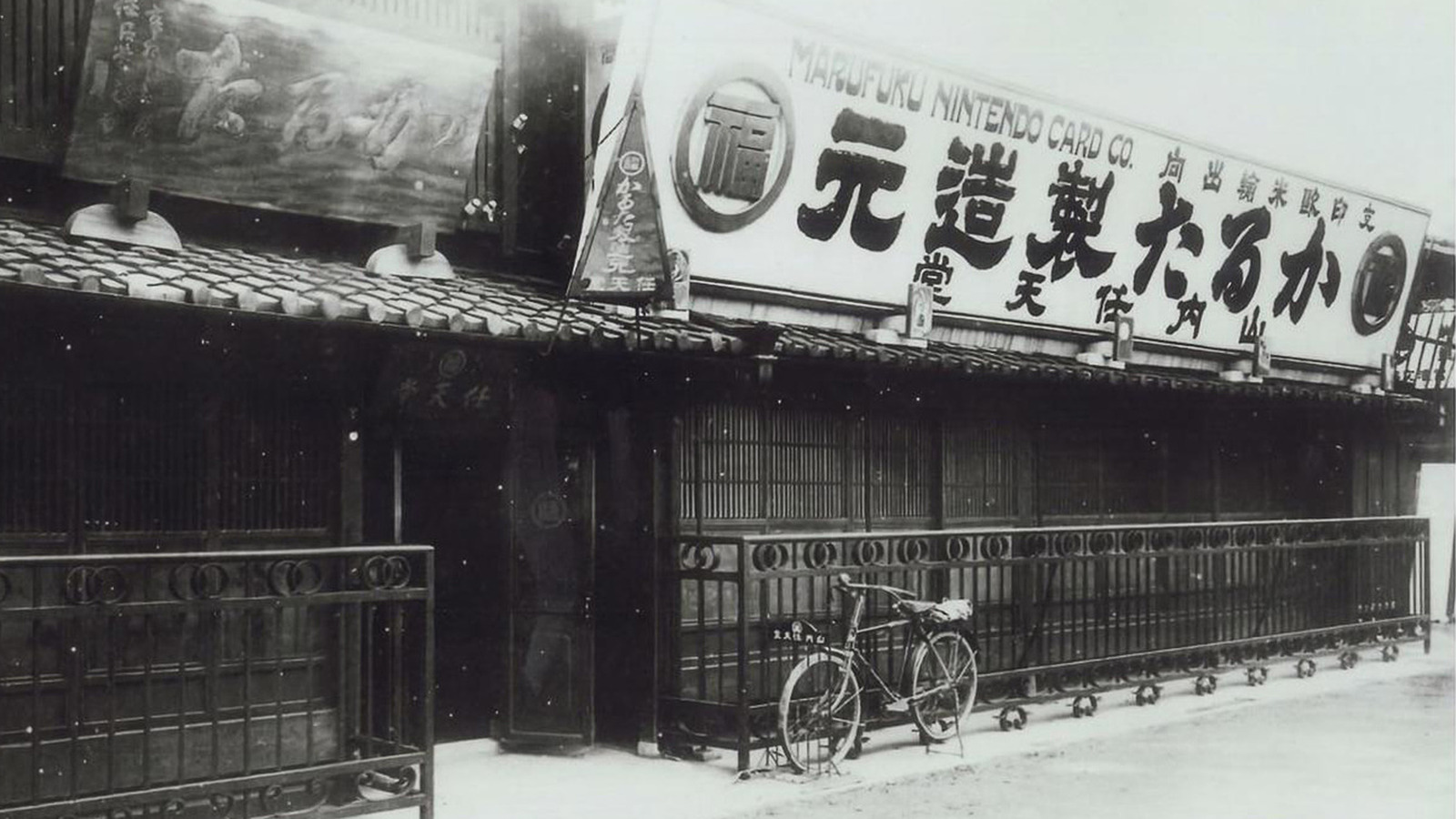
Nintendo’s roots go back to 1889, long before consoles and handhelds entered the picture. Fusajiro Yamauchi founded the company to make Hanafuda cards, a traditional Japanese style of playing cards that became popular after Western cards were restricted in Japan. The business took off, expanded into other card types, and kept adapting until it eventually stepped into video games in the 1970s.
That early card business still matters because it shows how much Nintendo has always depended on reinvention. The company moved from paper cards to plastic cards, then to themed products, and later to a full gaming ecosystem that includes home consoles and portable devices. Even now, the old card-making legacy lingers in the background while the modern gaming side gets all the attention.
Samsung’s beginning sounds even less like a tech origin story. In 1938, Lee Byung-Chull started out in Daegu with a trading business that dealt in groceries, dried fish, noodles, and other everyday goods. The company’s early lineup was broad enough to include produce, seafood, soju, rice wine, sugar refining, and wool, which is a far cry from smartphones and chips.
Before the electronics era, Samsung was already a shape-shifter. It moved from food and trade into manufacturing and gradually expanded into bigger industrial work, eventually creating Samsung Electronics in 1969 and launching a black-and-white television the next year. That massive leap from market stall to global technology giant still defines the brand’s reputation for scale and reach.
Sharp’s path started in a Tokyo metalworking shop in 1912, not in a glossy consumer electronics lab. Tokuji Hayakawa first made a name for himself with a belt buckle and later created a mechanical pencil that became known as the Ever-Ready Sharp. The pencil was such a standout product that the company eventually took its name from it.
What came next was a practical pivot after disaster and opportunity collided. The pencil factory was lost in an earthquake, and the company shifted into radios, launching its first set in 1925 as broadcasting began to take off in Japan. From there, Sharp grew into a broader electronics brand, but the name still carries the memory of a simple writing tool that helped launch the business.
Nokia’s story stretches even farther back, all the way to a paper mill in 1865. Fredrik Idestam started with wood pulp near the Tammerkoski rapids in Finland, then moved operations to a site near the Nokianvirta River, which gave the company its name. Before phones, Nokia was tied to paper, electricity, and other heavy industry work that powered a very different era.
The company’s transformation did not stop there. Nokia later absorbed businesses tied to rubber boots and electronics, and by the late 20th century it was making its mark in mobile phones with devices that became cultural icons. After its handset era faded, the brand shifted again toward network infrastructure, proving that some of the biggest tech names did not start as tech companies at all, but as businesses built on paper, cards, pencils, and trade.
