
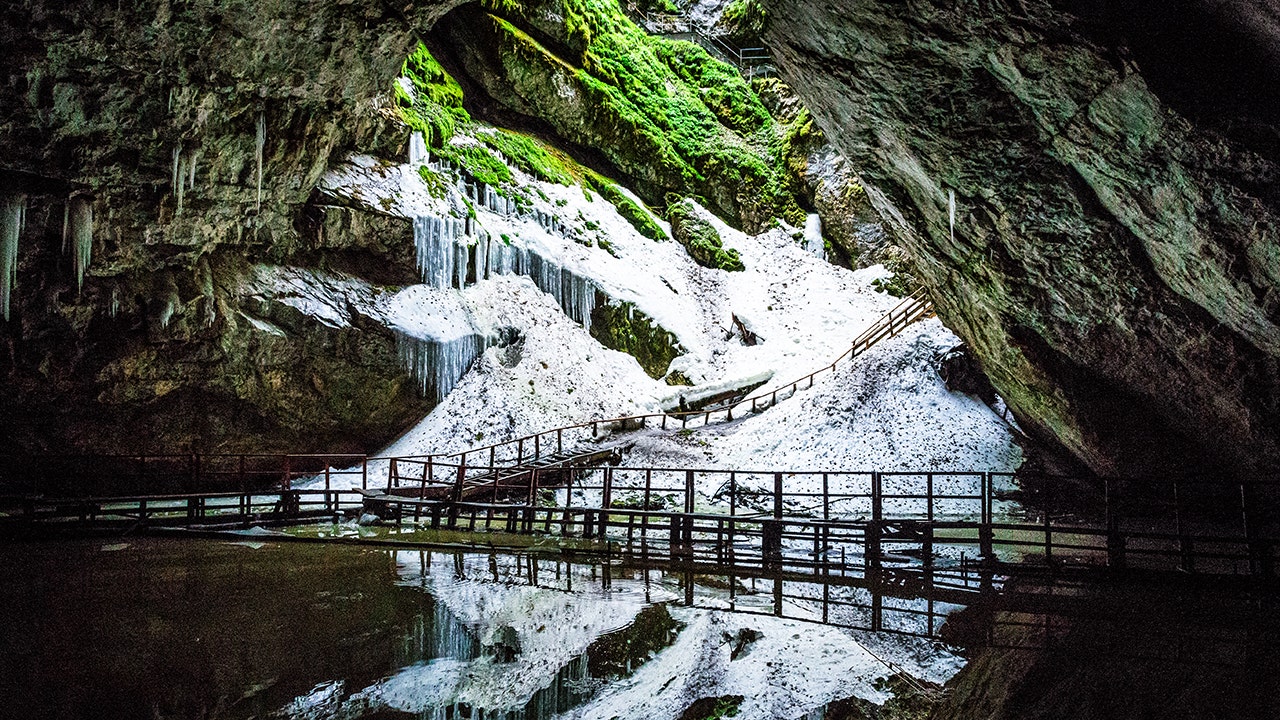
Researchers recovered a strain of Psychrobacter SC65A.3 from a 25-meter ice core in Scarisoara Ice Cave, Romania, and found it carries genetic markers and lab-measured traits that make it resistant to multiple antibiotics used today, raising questions about how antibiotic resistance has long existed in nature and what that means for modern medicine.
Scientists drilled a deep core that samples roughly 13,000 years of deposited ice and handled the blocks frozen to avoid contamination. From that frozen archive they isolated a single bacterial strain, then ran it through a battery of laboratory tests to see how it responded to modern antimicrobial drugs.
The ancient microbe showed lab-measured resistance to 10 antibiotics, including rifampicin, vancomycin and ciprofloxacin, along with others such as trimethoprim, clindamycin and metronidazole. Researchers tested 28 drugs spanning 10 antibiotic classes and also scanned the genome, finding more than 100 genes associated with antibiotic resistance.
“The 10 antibiotics we found resistance to are widely used in oral and injectable therapies used to treat a range of serious bacterial infections in clinical practice,” said Cristina Purcarea, senior scientist at the Institute of Biology Bucharest of the Romanian Academy, in a press release. That line underscores how familiar medicines can line up against resistance traits that existed long before modern clinical use.
“Studying microbes such as Psychrobacter SC65A.3 retrieved from millennia-old ice cave deposits reveals how antibiotic resistance evolved naturally in the environment, long before modern antibiotics were ever used,” Purcarea said. The team published the results in the journal Frontiers in Microbiology and emphasized the evolutionary context for these resistance genes.
It is important to stress what this discovery does not show: the sampled strain came from an environmental genus not typically viewed through clinical testing standards, and the study examined a single isolate from one cave sample. There is no evidence this ancient bacterium is currently causing disease or spreading among people.
Environmental bacteria like Psychrobacter lack established clinical breakpoints, which are the lab thresholds doctors use to call a bug resistant or susceptible in patient care. Because of that, scientists caution against equating lab-measured resistance in an environmental isolate with the practical danger posed by hospital superbugs that have a track record of human infection and transmission.
Still, the finding matters for our understanding of the resistome, the natural reservoir of resistance genes that exists in soils, waters and ice. Discovering complex resistance patterns in an isolated, ancient sample reinforces the idea that antibiotic resistance is not only a consequence of modern drug use but also an ancient ecological phenomenon shaped by natural selection over millennia.
Methodologically, the team handled the ice blocks frozen from extraction to laboratory, isolating microbes under controlled conditions to limit modern contamination. That careful chain of custody strengthens confidence that the genes and traits they describe are genuinely ancient rather than recent contaminants introduced during sampling.
Researchers say the practical implications are cautious and measured: the study adds data to a long-running scientific conversation about how resistance genes move between environmental reservoirs and pathogens. It also points to the need for surveillance that looks beyond hospitals and farms, taking into account natural environments that can harbor resistance traits long into the past.
