
As Thanksgiving draws near, gratitude naturally turns toward the people who keep America well fed, and few groups matter more than farmers and ranchers. Their work touches every table, every grocery aisle, and every holiday meal, often without the spotlight they deserve.
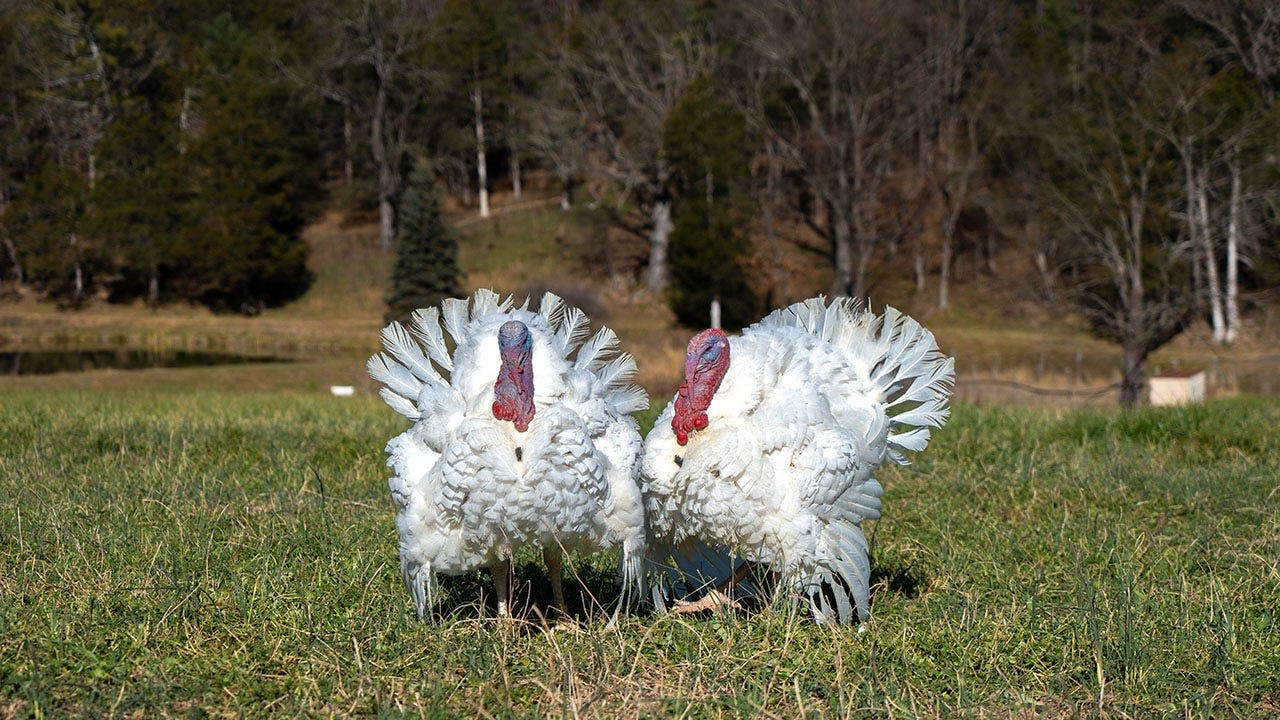
In West Virginia, that spotlight landed on Dean Gaps Farms, where Scott and Becky Rightsell have carried on a family tradition of raising turkeys for Thanksgiving. Two of their birds were selected for the Presidential Flock, bringing a local farm story all the way to the White House.
The annual turkey pardon does more than create a lighthearted holiday moment. It also reminds people how much skill, time, and discipline go into producing one of the most familiar centerpieces of the American dinner table.
American turkey farming is a serious business, and the numbers are big enough to match the holiday appetite. Production is expected to top 5 billion pounds this year, with the industry valued at $5.58 billion in 2025, showing just how central turkey remains to the nation’s food supply.
That demand is not limited to one Thursday in November. Turkey is a year-round protein source, known for being affordable, filling, and packed with nutrients that fit easily into everyday meals.
It also carries a strong nutritional punch. Turkey provides iron, zinc, potassium, chromium, and other nutrients that support heart health, bone development, and overall wellness, which helps explain why it has stayed such a steady favorite.
For families trying to stretch a budget, that matters too. The average price of a 16-pound turkey is roughly 15% lower than it was at this point in 2023, giving shoppers a little more breathing room during an already expensive season.
The holiday season tends to put farming in the public eye, but the people behind it live that responsibility all year long. Their labor keeps food moving, fields productive, and supply chains steady through weather swings, market changes, and unpredictable demands.
That kind of work is rooted in a deeper culture, one shaped by faith, family, and a stubborn streak of independence. Farms are not just businesses, they are living reminders of the values that built the country and still hold communities together.
Modern agriculture also connects to broader conversations about health and nutrition. Efforts to promote whole, nutrient-dense foods reflect a growing recognition that strong families start with better choices on the plate.
The history matters too. From the first Thanksgiving in 1621 to today’s holiday tables, farmers and ranchers have stayed at the center of the American story, even when the rest of the country rarely stops to notice.
Their role is easy to overlook because the results show up so smoothly. A stocked pantry, a holiday feast, and a dependable food supply all hide the long hours, risk, and grit that make them possible.
That is why Thanksgiving is about more than football and leftovers. It is a good moment to remember the small slice of Americans who carry an outsized share of the load, feeding everyone else while asking for little in return.
They do not just grow crops or raise livestock. They preserve a way of life that keeps the country strong, and that is something worth appreciating long after the holiday plates are cleared.
