
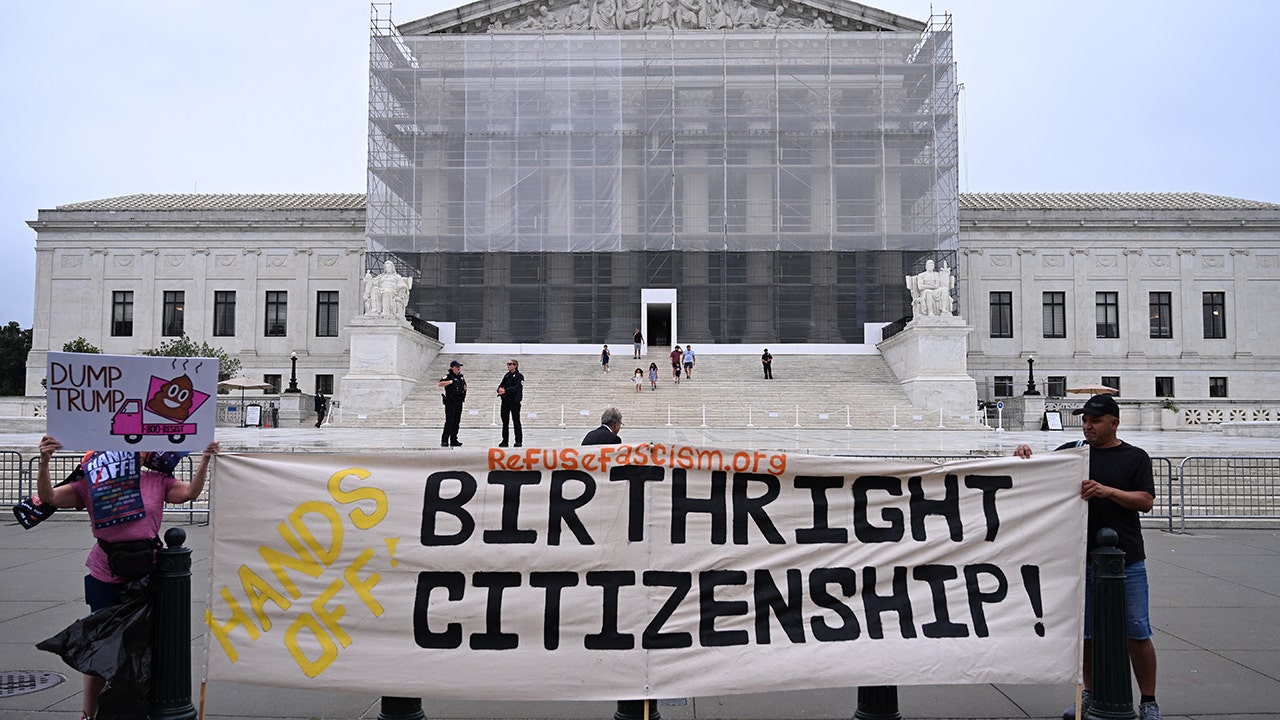
Birthright citizenship is back in the courtroom, and this time a DC federal judge has again shut down President Trump’s effort to narrow it. The ruling says the Constitution does not let the White House create fresh exceptions for children born on U.S. soil, even in cases tied to alleged terrorists, gang members, or foreign parents using surrogacy.
U.S. District Judge Christopher Cooper issued a lengthy 67-page opinion that takes a hard line on the scope of the Fourteenth Amendment. He said the Supreme Court has already made the basic rule plain: if a child is born in the United States and falls under U.S. law, that child is a citizen unless one of the narrow historical exceptions applies.
This fight is part of a bigger legal war over Trump’s push to crack down on birth tourism and tighten who gets citizenship at birth. His first executive order ran into a wall earlier this year, and the latest version was already partially blocked by a Maryland judge before Cooper widened the protection.
Cooper’s ruling goes beyond the earlier injunction by covering more children who would have been swept up by the administration’s plan. That includes children of certain foreign government and international organization employees, those the administration labels as “alien enemies,” and babies born through commercial surrogacy arrangements involving foreign parents.
The judge leaned heavily on old Supreme Court precedent, especially United States v. Wong Kim Ark, which has long been a cornerstone case on birthright citizenship. He also pointed to the Court’s recent decisions to say the executive branch cannot just invent new carve-outs because it wants a different policy outcome.
One of the sharpest parts of the ruling was Cooper’s rejection of the idea that membership in a terrorist group automatically triggers the historical “enemy forces” exception. He said that exception is far narrower than the administration argued and only fits children born to hostile forces occupying U.S. territory in a real, temporary war setting.
That framing matters because the administration tried to stretch the old exception into modern national security concerns. Cooper called that reading an “outside-the-box understanding” that goes too far and turns a tightly limited historical rule into something much bigger than the law allows.
The same skepticism showed up in the surrogacy issue. The court said foreign parents who arrange for a child to be born in the United States through commercial surrogacy do not dodge U.S. jurisdiction just because the family is foreign.
Cooper also noted that the State Department had recognized citizenship for U.S.-born children in surrogacy cases before Trump’s newer order changed the landscape. That detail undercut the administration’s claim that these children somehow sit outside the normal rules from birth.
The White House was quick to push back, calling the judge an activist and insisting the order matches Supreme Court reasoning. The administration is expected to appeal and may ask for a pause while the case moves through the courts, which could drag on for months.
That next step could send the dispute to the DC Circuit or even back to the Supreme Court. For now, though, the ruling adds another major roadblock to Trump’s effort to redraw the lines around citizenship and make the policy stick through executive power alone.
Cooper has already been a thorn in Trump’s side on other fronts, including disputes tied to the Kennedy Center and records sought in a Freedom of Information Act case. That backdrop only deepens the political heat around this latest ruling, since the White House is treating the judge as part of a broader pattern of resistance.
Trump has attacked Cooper in blunt terms, and the fight now sits squarely at the intersection of law, immigration, and presidential power. The next move from the Justice Department could decide whether this issue stays locked in district court for a while or gets fast-tracked into a bigger constitutional showdown.
