
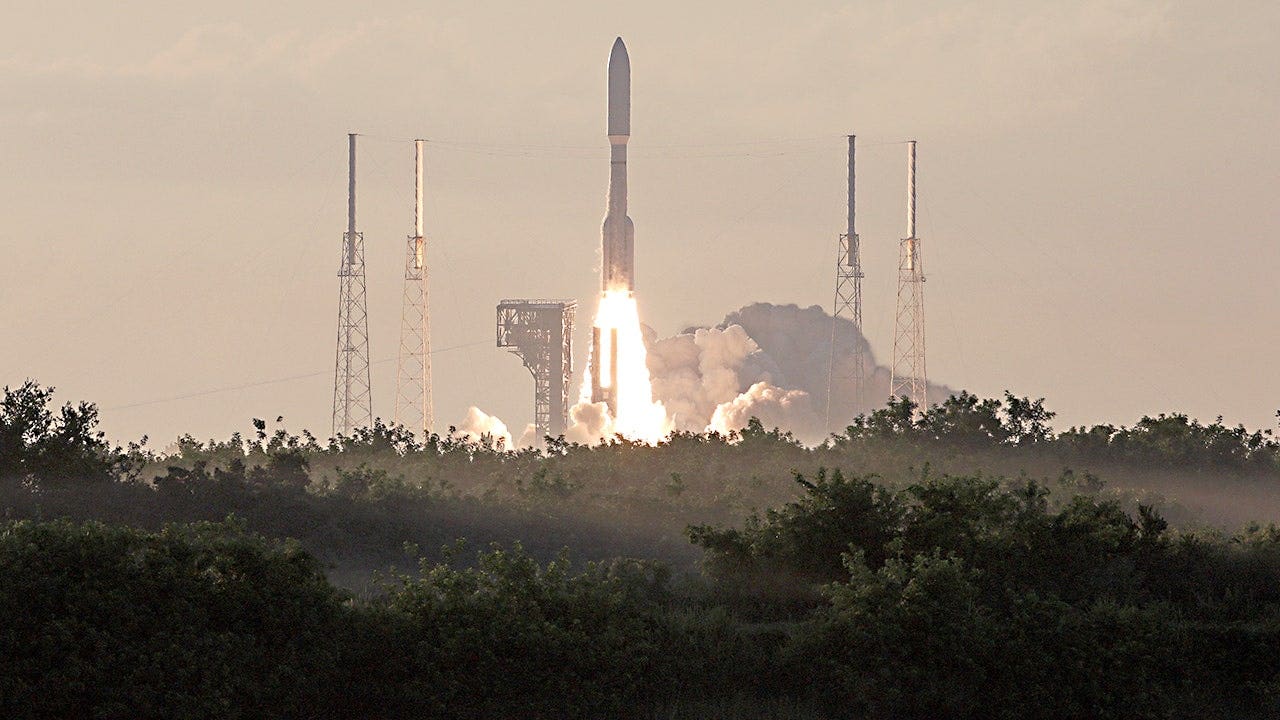
Amazon’s headline purchase of Globalstar is a high-stakes move to reshape how phones stay connected when cell towers vanish, trading a big check for spectrum, satellites and the rights to beam messages and calls directly to devices across the globe.
Globalstar has been running satellite services for decades, and what it brings to Amazon is less about shiny hardware and more about rare radio real estate. The company controls a slice of spectrum in Band 53, between 2483.5 and 2495 MHz, which is valuable because spectrum is finite and tightly regulated. Owning that band gives Amazon a technical leg up for low-latency, low-interference links to consumer devices.
Beyond frequencies, the deal hands Amazon existing satellites, ground infrastructure and international authorizations that would otherwise take years to build. Those pieces let Amazon accelerate plans to push “direct-to-device” connectivity that lets phones send texts, make calls and move data when there is no cellular signal. In short, it’s a complete toolkit to turn a vision into a commercial service faster than starting from scratch.
One clear outcome is deeper integration with handset makers; Amazon already has an agreement to support satellite features on popular devices like iPhones and Apple Watches. That includes the exact emergency feature users expect, Emergency SOS, which has been credited with saving lives in remote rescues. Amazon says it will keep supporting current users on Globalstar’s system while working with partners on the next-generation rollout.
Numbers put the strategy in context. SpaceX’s Starlink has become massive, serving more than nine million users with a constellation now numbering around 10,000 satellites, while Amazon’s Project Leo currently has a few hundred craft in orbit. Globalstar adds only a couple dozen more satellites, so the headline price isn’t about sheer fleet size. It’s about securing spectrum and regulatory permissions that unlock new device-level services.
The timetable adds urgency and pressure. Amazon expects the Globalstar acquisition to close in 2027 subject to regulators, and it has an aggressive build schedule for its full constellation with targets through 2029. Those targets include deploying roughly 3,200 satellites by that year and meeting interim milestones that require many craft be launched quickly. Regulators like the FCC will weigh the transaction and the public-interest implications before it can move forward.
The practical upside is tangible in crises and everyday gaps alike. Satellite links can be lifesaving during hurricanes, wildfires or other disasters when terrestrial networks are down, and they offer routine coverage for rural towns, maritime vessels, long-haul trucking and remote workers. For fleets, emergency services and recreational users in the backcountry, stable direct-to-device connectivity changes expectations about what “no service” actually means.
At a higher level this is a strategic clash between powerful platforms: one company building a widespread service on spectrum and partnerships, another scaling by sheer satellite numbers and market momentum. The real questions for consumers are how access will be priced, which devices will get the features and how quickly reliability and coverage will improve. As these giants race, regulators, handset makers and everyday users will all have a stake in who sets the rules for that new, sky-borne layer of connectivity.
