
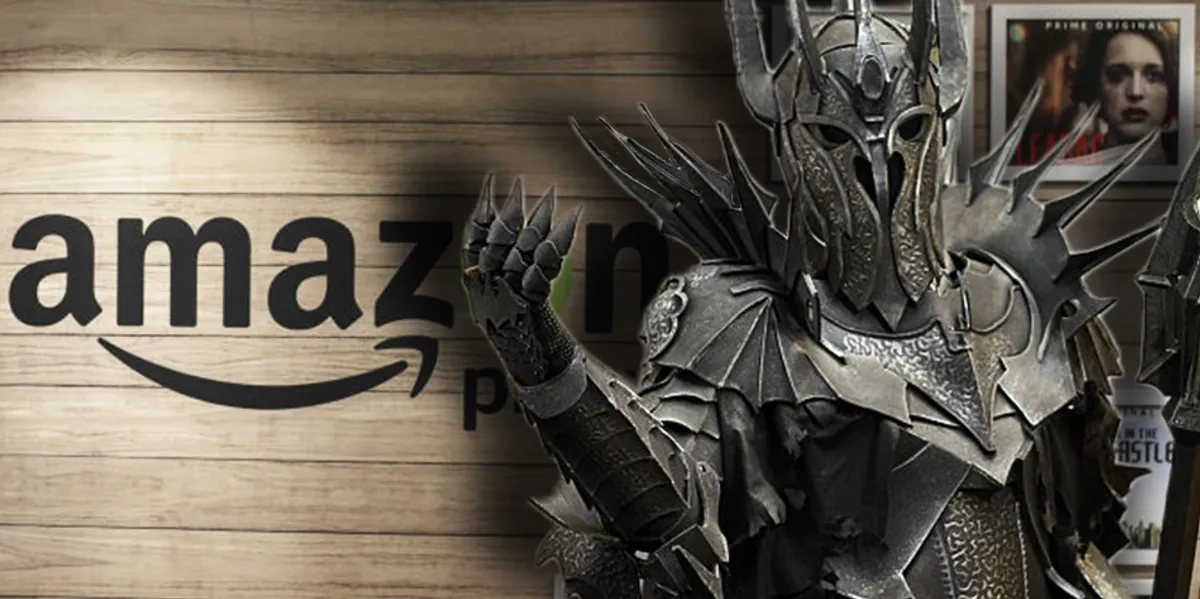
Amazon’s handling of Lord of the Rings has become a lightning rod for criticism, with the latest backlash centered on a provocative image and the company’s broader approach to the franchise. The reaction has been sharp because this is not just about style or marketing, but about what many viewers see as a clumsy push to force modern messaging onto one of the most beloved fantasy worlds ever made.
The controversy picked up steam after a headline-grabbing depiction of Sauron triggered debate over how far Amazon is willing to go in reshaping Tolkien’s universe. For a lot of fans, Sauron is not some blank slate for trendy reinvention. He is a symbol of pure evil, and turning that into a wink at contemporary identity politics struck many as bizarre, unnecessary, and frankly insulting to the source material.
That frustration did not come out of nowhere. Amazon’s broader reputation for layering ideology over entertainment has made audiences suspicious every time the company makes another creative choice. When viewers feel like the focus shifts from storytelling to messaging, trust starts to disappear fast, and once that happens, even small decisions can ignite a full-blown firestorm.
There is also a deeper tension here between legacy franchises and the people handling them now. Tolkien’s work has always had moral weight, mythic scale, and a very specific tone, which is exactly why fans care so much about preserving it. If a studio treats that world like a tool for social experimentation, the backlash is going to be loud, and this one has been no exception.
What makes the whole thing stick is how personal these reactions get. Fans do not just complain about a bad scene or a weak script. They feel like something they loved is being tampered with by people who either do not understand it or do not respect what made it timeless in the first place.
That kind of anger is amplified when entertainment companies seem eager to lecture the audience. People can spot when a project starts reading like a corporate statement instead of a story, and they usually push back hard. In this case, the mix of a famous villain, a charged image, and Amazon’s ongoing image problem created the perfect storm.
It also raises a bigger question about what modern studios think audiences actually want. Viewers still show up for strong characters, good writing, and worlds that feel real within their own rules. They do not need every classic property reworked into a culture-war billboard, and many are getting tired of being told that this kind of reinvention is progress.
The backlash around Sauron reflects a wider exhaustion with the entertainment industry’s habit of treating fan attachment as a hurdle instead of a strength. The biggest franchises endure because people care deeply about them, not because they are endlessly malleable. When a company forgets that, it ends up lighting a fuse that keeps burning long after the first headline fades.

1 Comment
I expect that with the decisive win that the demoncraps had in the mid-terms WOKE and DEI will be back with a vengeance! A number of corporations are already back stepping from their apparent change from WOKE during the obama and biteme years. Not at all surprising. Corporations have no morality except to make money. Only a few like Chick-fil-A and Hobby-Lobby try.