
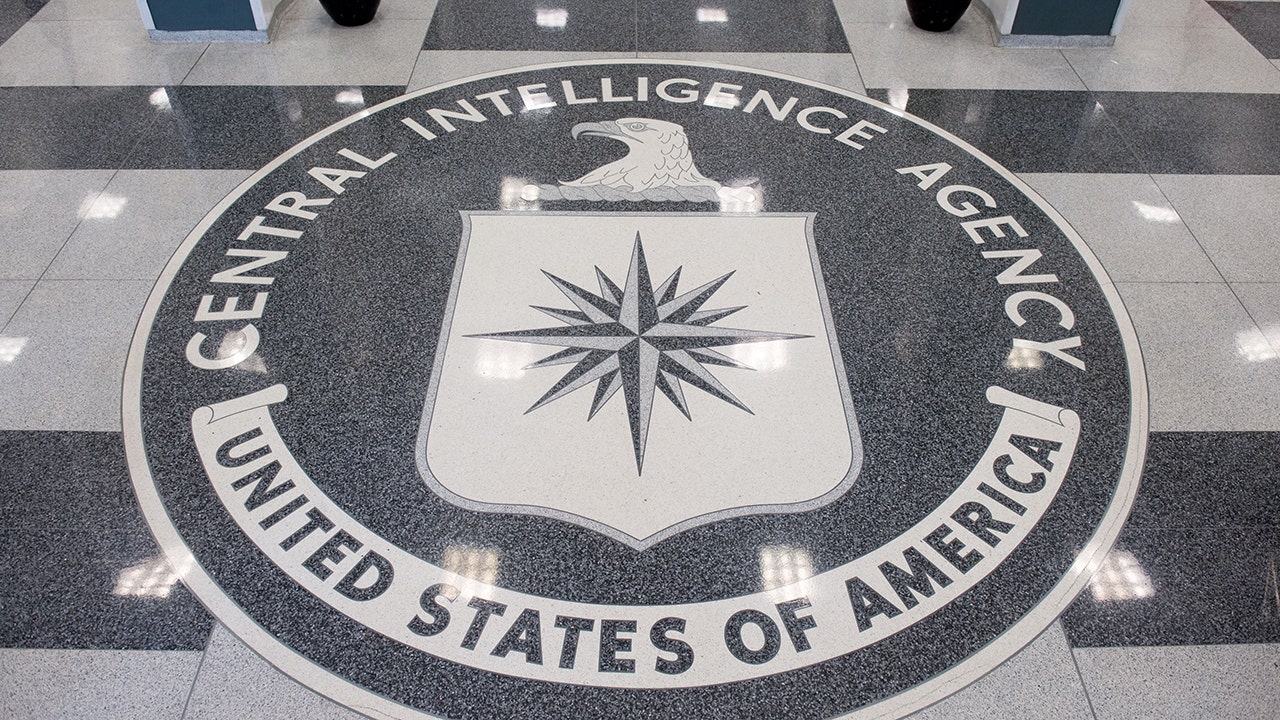
- CIA cyber breach involving unclassified intelligence analysis data
- FBI attack hitting a law enforcement crime database
- Questions about whether the incidents were connected
- Scope of the systems affected and what was not touched
- Separate outage reported at another national security agency
A fresh wave of cyber trouble has put major U.S. intelligence and law enforcement networks under a harsh spotlight. A breach tied to a CIA system exposed unclassified information, while the FBI was dealing with its own attack the very same day. The overlap has raised obvious questions about whether these incidents were random noise or part of something more coordinated.
According to multiple sources, the CIA, the Office of the Director of National Intelligence, and the FBI all faced intrusions on the same day. The CIA incident involved a network used for open-source intelligence, meaning material pulled from public information rather than classified channels. That distinction matters, but it does not make the breach small or harmless.
The CIA network was reportedly used to analyze unclassified data, and the problem has since been resolved. Even so, a breach inside an intelligence analysis environment is the kind of thing that instantly gets attention in Washington. Once attackers are inside any federal system, even a limited one, the concern is how far they can move and what they may have seen along the way.
The FBI situation looked more serious because it involved the National Crime Information Center, a database law enforcement agencies use every day to share and check information. That system sits at the center of routine police work, which is why any hit to it can rattle agencies far beyond Washington. When the backbone of a shared crime database gets targeted, the ripple effect is immediate.
The CIA breach has not been linked to a specific culprit, and it is still unclear whether the cyber incidents were connected. That uncertainty is part of what makes the story so uncomfortable for federal officials. If the attacks were coordinated, it would point to a wider effort to probe weak spots across the national security structure.
There was also a separate problem last week involving an internal classified system at the National Security Agency. That outage lasted several days and was tied to an internal technology upgrade, not a breach. Still, when agencies are juggling outages, intrusions, and emergency fixes all at once, confidence takes a real hit.
Two Pentagon officials said the Department of War was not breached, which helps narrow the field a bit. But the picture is still messy, with different agencies dealing with different kinds of digital headaches at nearly the same time. In that kind of environment, even systems that are technically separate can feel like part of the same warning siren.
Cybersecurity failures inside government rarely stay contained in neat little boxes. A breach on an unclassified intelligence network can still create stress, because it gives outsiders a foothold and forces agencies to wonder what else may have been exposed. The bigger issue is not just what was taken, but what the intruders learned about federal defenses while they were inside.
The timing is what makes this especially stark. One day brought trouble for intelligence networks, law enforcement databases, and internal security systems, all while officials tried to sort out the cause and scope. That kind of pressure does not fade quickly, and it leaves a lot of agencies staring at the same uncomfortable question: how many more systems are already being tested right now?
