
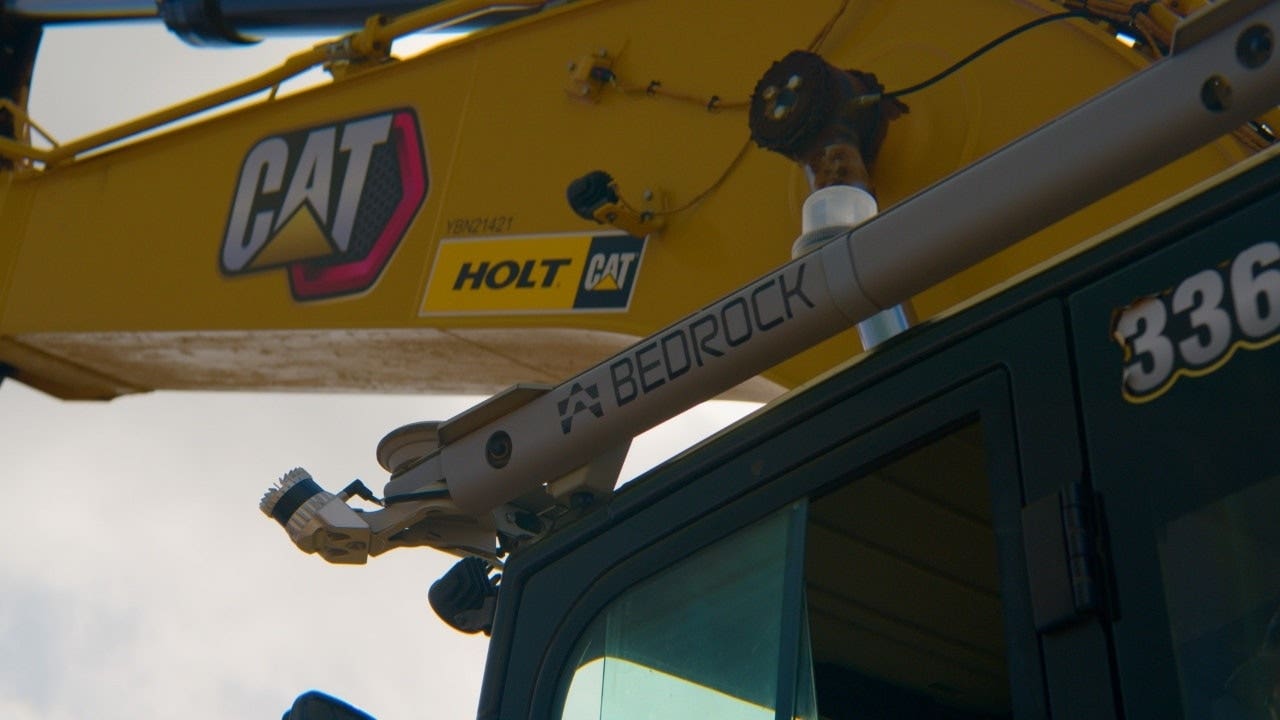
Autonomous excavators are no longer a lab demo or a flashy concept video. They are already moving dirt on live job sites in Texas and Nevada with nobody sitting in the cab, and that shift says a lot about where construction tech is heading. Bedrock Robotics is pushing the idea that heavy equipment can work smarter, keep projects moving, and still operate under human oversight.
What makes this stand out is the scale of the machine and the stakes involved. An excavator is not software in a quiet office, it is a huge piece of iron shaping the ground under real-world pressure. Bedrock says its system has been tested for a year on active sites and is now being used on commercial earthwork, which puts it far past the usual hype cycle.
One major draw is efficiency. Earthmoving happens early in a project, and when that part slows down, everything behind it tends to slide with it. Bedrock says its autonomous machines are built to handle rough cuts, cut-and-fill work, and foundation prep so crews can keep sites moving even when skilled operators are hard to find.
The company is not starting with easy jobs, either. It is focused on projects like a Nevada water treatment facility, a Texas earthwork job, and a large civil sitework effort with major contractors. Those are the kinds of assignments where delays get expensive fast, and the pressure to stay on schedule is real.
Bedrock says its productivity is getting close to human levels, and that is a big claim in a world where heavy equipment usually depends on experience, timing, and muscle memory. The company measures output by how much earth a machine moves in a shift, while also noting that the right number depends on soil, site layout, and the rest of the fleet around it. Even with those variables, the promise is clear: let the machine handle the repetitive grind.
The tech behind it is called the Bedrock Operator, and it is meant to retrofit existing equipment with sensors and computing hardware. In theory, that makes autonomy less like a whole new machine and more like a serious upgrade to what contractors already own. A site manager sets the plan, and then the system takes it from there.
That is the part that makes people lean in. A machine-learning system taking over a massive excavator in the middle of an active construction site sounds a lot different from AI drafting emails or sorting photos. The cab stays empty, but the machine still has to read the environment, plan movement, and keep working through conditions that can change by the minute.
Safety is where the whole story rises or falls. Bedrock says the machine can stop automatically if a person or unauthorized object gets too close, and a human can step in remotely if the system gets stuck or hits something unusual. That combination matters because construction sites are full of moving parts, from workers on foot to water trucks and other heavy equipment sharing the same space.
The company also says it trained the system on tens of thousands of hours of field work. That kind of experience is important because excavators are not just powerful, they are tricky to master, with operators often needing years to reach full skill. Bedrock sees that gap as a chance to relieve pressure on crews while keeping experienced people in the loop.
There is a bigger labor story underneath all of this. Construction is dealing with an aging workforce, retirement pressure, and a long-running shortage of skilled craft workers. At the same time, projects are taking longer and running over budget, which makes automation look less like a gimmick and more like a tool contractors will keep testing.
Bedrock says it does not expect operators to vanish, and that is probably the most realistic part of the pitch. The near-term idea is not a job site run by robots alone, but a mixed crew where autonomous machines handle the repetitive heavy lifting and humans focus on supervision, precision work, and the problems software still cannot solve well. That is a pretty sharp change from the old model, and it could end up reshaping how construction gets done.
Long term, Bedrock wants multiple machines to coordinate together across one site, with excavators, bulldozers, trucks, and graders working as a connected system. If that vision holds, the job site could start to feel less like a set of separate machines and more like a coordinated workflow. For now, though, the empty cab is the headline, and the real test is whether those machines can keep proving themselves when the dirt gets messy and the pressure goes up.
