
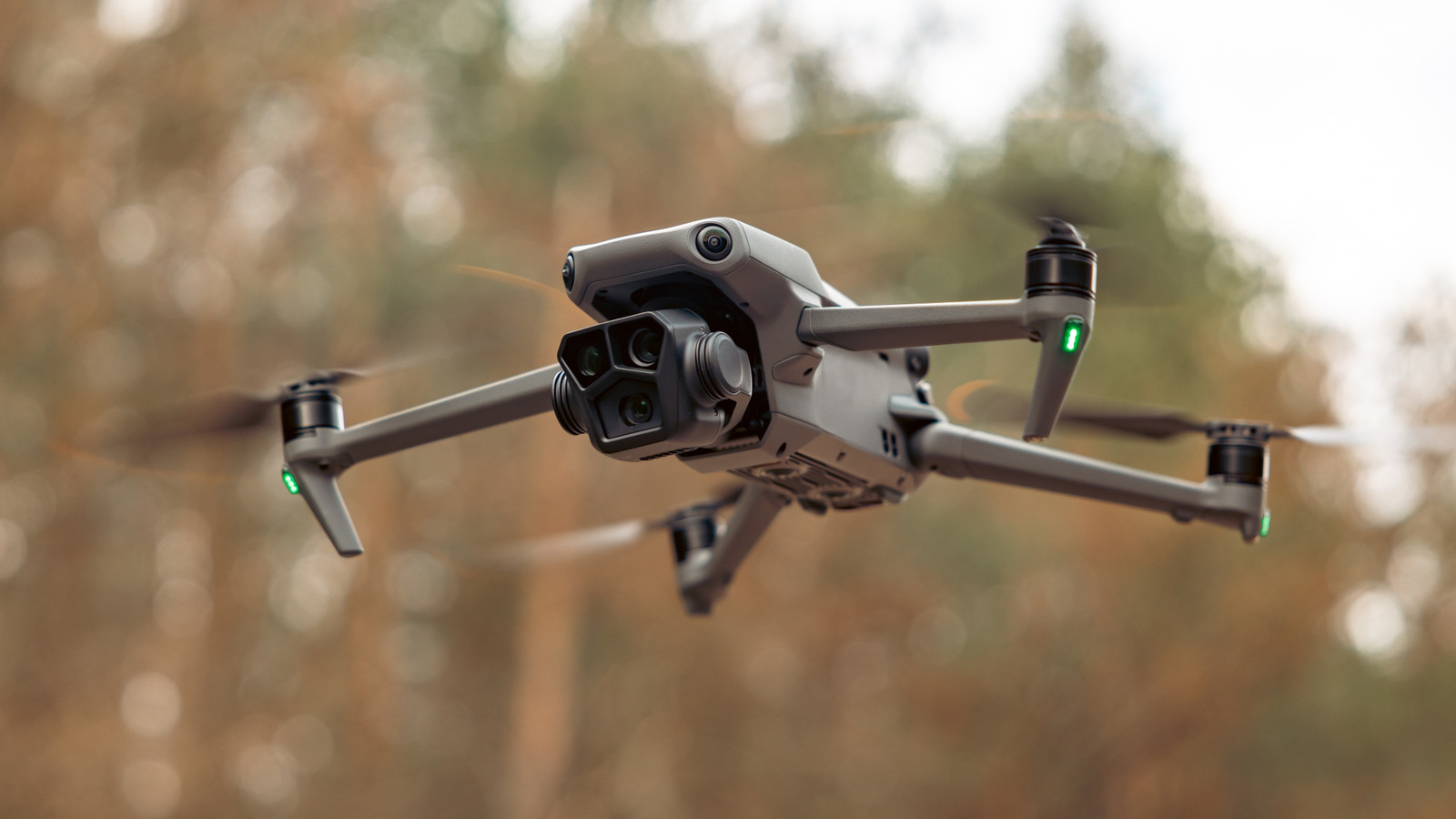
Around the world, militaries and private firms are racing to stop hostile drones, and artificial intelligence is at the center of that push. This piece looks at the kinds of systems being built, how AI changes detection and response, the tactical choices commanders face, and the wider risks and tradeoffs that come with automated counter-drone tools.
Interest in counter-drone systems has exploded because small unmanned aircraft are cheap, easy to modify, and hard to spot. Nations are building layered defenses that mix sensors, electronic measures, and physical interceptors to handle single threats and coordinated swarms. AI is used to make sense of noisy sensor data and pick the right countermeasure fast enough to matter.
Sensors are the first line of defense and AI helps them work together. Radar, electro-optical cameras, infrared arrays, and radio-frequency detectors each see different parts of the picture, and machine learning fuses those streams into a single, actionable track. That fusion reduces false alarms and highlights threats that a single sensor might miss, especially when drones fly low, slow, or under cluttered skies.
On the response side, options range from soft kills like RF jamming and spoofing to hard kills such as interceptors, nets, and directed energy. AI can automate target classification and prioritize responses, but most systems still keep a human in the loop for lethal or high-risk actions. That hybrid approach aims to speed reaction time while preserving judgment for ambiguous scenarios.
Small drones and coordinated swarms present special challenges and are pushing innovation. Swarms can overwhelm a single countermeasure, so defenders rely on AI to allocate resources, predict swarm behavior, and perform rapid retasking of interceptors. Teams are also experimenting with autonomous defenders that can operate together, creating a robotic choreography of detection and neutralization.
There are operational tradeoffs and unintended consequences to consider. Jamming and spoofing can interfere with civilian communications or friendly forces if not tightly controlled, and kinetic interceptors risk collateral damage in populated areas. AI systems trained on limited datasets may struggle with novel drone designs or clever adversary tactics, so continuous testing and adversary modeling are essential.
Regulatory and ethical issues are part of the picture as well, especially when counter-drone systems are deployed near civilians. Nations must balance force protection with airspace safety and privacy concerns, and export rules shape which technologies travel abroad. Transparency about rules of engagement and strict oversight help keep automated systems from escalating incidents unnecessarily.
Ultimately, effective counter-drone defense is about layers, not silver bullets. AI amplifies detection and decision speed, but it is most powerful when paired with diverse sensors, disciplined doctrine, and human judgment. As drone threats evolve, so will the defenses, and keeping systems adaptable, tested, and accountable will determine whether those defenses succeed in real-world conditions.
