
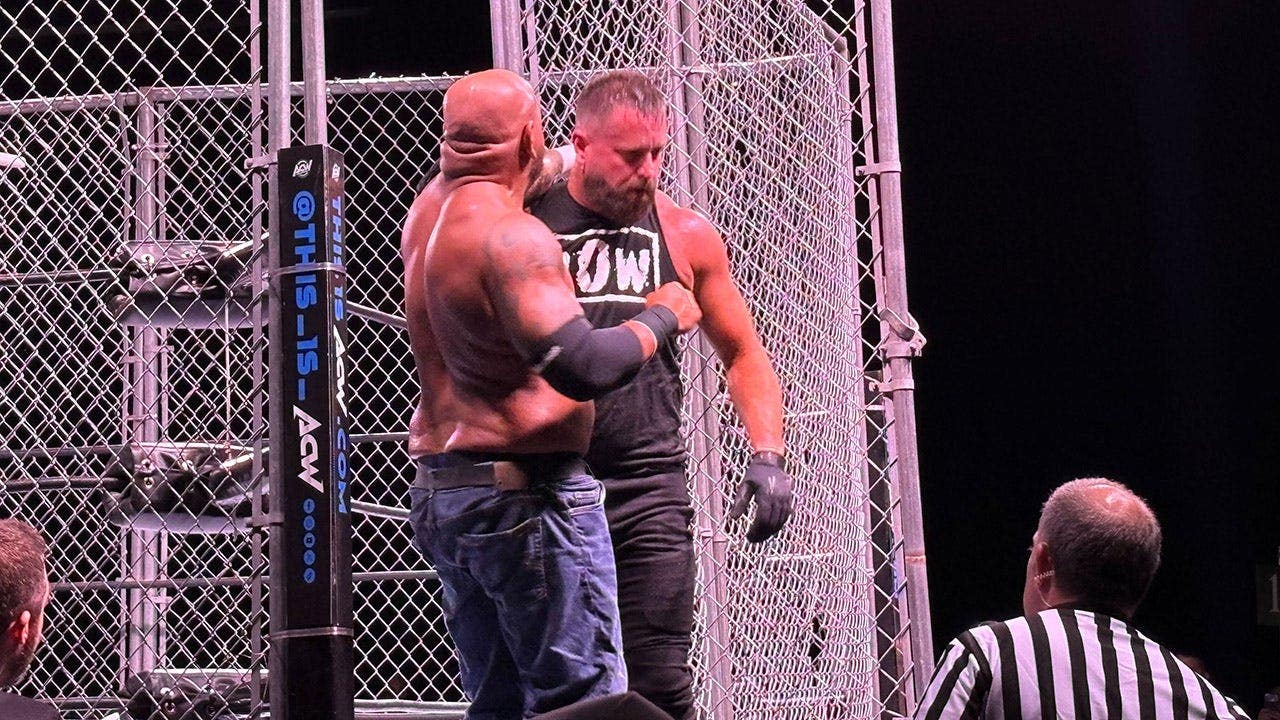
ACW Reckoning’s steel cage main event turned into a chaotic scene Saturday when Vik Dalishus was seriously hurt and carried out of the arena on a stretcher. The night went from high-energy to emergency mode in a matter of moments, leaving fans, officials, and medical staff scrambling. This article walks through what happened in the ring, the immediate response, and what comes next without spinning speculation.
The fight was billed as the evening’s big attraction, with the steel cage raising the stakes and the crowd volume. Cage matches are designed to intensify drama and limit escape routes, and on this night that intensity teetered into danger. Spectators who came for a memorable main event instead watched a sudden shift from competition to crisis.
At some point during the closing minutes the action escalated, and Vik Dalishus suffered multiple injuries that required urgent attention. Medical teams rushed into the cage and the arena fell quiet as professionals worked to stabilize him. He was placed on a stretcher and carried out of the building, a stark moment that underscored the risks athletes face in high-contact environments.
Event staff and on-site paramedics coordinated quickly, clearing space and moving with the sort of calm urgency you expect in these situations. Security routes were opened and nearby personnel assisted in making way for the stretcher to exit safely. The visible tension among fighters and fans showed how quickly a sporting spectacle can become an emergency response.
The promotion paused its immediate programming while the medical response took place, with officials focusing on ensuring Dalishus received proper care. In cases like this the priority is always the athlete’s health, followed by clear communication once facts are confirmed. Attendees later reported a subdued atmosphere as word spread through the crowd and into social channels.
Fans and other competitors reacted on social media, sharing concern, eyewitness accounts, and calls for accurate updates rather than speculation. Those reactions reflected a common thread: people want to know the condition of someone who fought in front of them. The noise online underlined the need for a timely, factual statement from the promotion and medical team.
For the fighters who shared the cage that night, the event will likely be remembered for what happened after the final bell rather than for the work inside it. Competitors routinely accept the inherent risks of the sport, but moments like these test the structures in place to protect them. How the promotion addresses medical follow-up and communicates next steps will shape both fan confidence and the athletes’ trust.
Promotions typically review incidents like this with medical staff and referees to determine whether additional protocols are needed. Investigations can include video review, interviews with ringside doctors, and a look at any equipment or environmental factors that might have contributed. The goal is to learn without assigning blame prematurely and to strengthen safety where possible.
The immediate priority remains Dalishus’ recovery and a clear medical update from qualified professionals. Fans, colleagues, and the broader community will watch for official notices about his condition and any schedule changes for future events. Until those facts are released, the scene from Saturday will stand as a reminder of the thin line between spectacle and serious injury in combat sports.
