
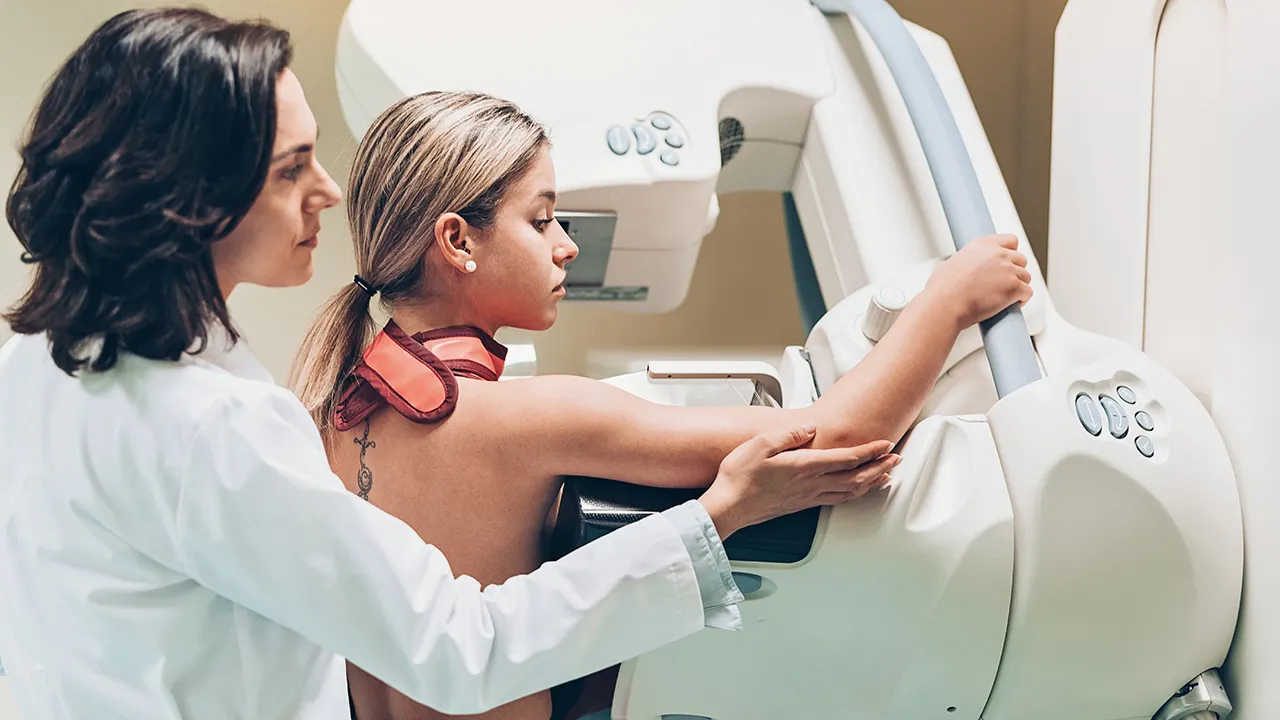
Women using GLP-1 weight loss drugs may be seeing an unexpected ripple effect on mammograms, with newer research pointing to higher breast density and more follow-up imaging after major weight loss. The findings do not suggest the medications are causing cancer, but they do underline how body changes can complicate screening and make radiology results harder to read.
A study set to be presented at the annual meeting of the Radiological Society of North America looked at 107 women ages 34 to 79 who had taken drugs such as Ozempic and Wegovy for at least a year. Across 214 mammograms reviewed before and after treatment, researchers found that breast density increased by at least one category in 62.5% of participants, while eight women jumped two density categories.
That matters because dense breast tissue can make it tougher to spot tumors on an X-ray, and it is also linked to a higher risk of breast cancer overall. At the same time, the researchers believe the change may be more about shifting proportions than a true growth in dense tissue. When fat in the breast decreases, the remaining fibroglandular tissue can appear more prominent, even if the amount of that tissue has not increased.
The women in the study lost anywhere from six to 107 pounds, with an average loss of 40 pounds. Radiologists also noted that many patients had smaller breasts after treatment, along with a rise in skin thickening in some scans, which can further change how the image looks.
Lead author Dr. Eva C. Gombos, a diagnostic radiologist at Brigham and Women’s Hospital in Boston, said the density findings were a surprise because the increase showed up despite significant weight loss. She explained that the mammogram changes may reflect a drop in breast fat rather than a biological shift that creates more dense tissue.
The callbacks were another eye-opener. Nearly 22.4% of the women were asked to return for more imaging, which is well above the average U.S. recall rate of about 10%, though every callback turned out to be benign or negative. Four women were sent for biopsies, and all four came back noncancerous.
Two of the recalls were technical, tied to scan quality or positioning, while others were linked to findings such as simple cysts. None of that points to a hidden wave of cancer, but it does show how much a changing body can affect routine breast screening.
The study was retrospective, so it looked back at records instead of tracking patients in a controlled trial over time. That means it cannot answer the biggest question hanging over all of this, which is whether these imaging changes have any real impact on future breast cancer risk.
Gombos said women who are taking GLP-1 medications should let their imaging team know, especially if they have had significant weight loss. That kind of context helps technologists and radiologists compare scans more accurately and avoid confusion when the breast tissue suddenly looks different from one mammogram to the next.
Novo Nordisk, the maker of Ozempic and Wegovy, said it keeps monitoring the safety of its medicines and reviews new data as it comes in. The company also noted that responses vary from person to person and encouraged patients to stay in close contact with their healthcare professional for ongoing guidance.
That advice lands with some common sense. The drugs are changing bodies fast, and breast imaging is one place where those changes may show up in a way that catches doctors off guard, even when everything ultimately turns out fine.
