
Democrats are leaning hard into immigration after their midterm gains, but the numbers tell a messier story. Latino voters, like plenty of others, were far more likely to care about prices, bills, and the day-to-day squeeze than about border politics alone.
The post-election mood among Democrats has been loud and confident. Winners in Texas and beyond are treating the results like a green light to attack President Donald Trump’s immigration crackdown, while also pressing anyone eyeing the 2028 race to make reform a top-tier issue.
Rep.-elect Bobby Pulido made that point bluntly when he said, “Whoever wants to get our support in ’28 has to prioritize immigration reform, period,” during a news conference with other Texas Democrats pushing the issue. That kind of language fits the moment, but it runs into a basic problem: many voters were thinking about their wallets first.
Polling showed immigration was not the dominant concern for most Democrats, and it was even less central for many Hispanic voters who helped shape the election. Fox News Digital polling found just 3% of Democrats ranked immigration as their top issue, compared with 27% of Republican voters, while UnidosUS data pointed in a different direction entirely for Latino voters.
That UnidosUS polling found 58% of Latino voters nationwide put affordability among their top priorities, while only 27% placed immigration there. In Texas, the pattern looked much the same, with the economy, democracy, and cost of living taking up far more mental space than border policy.
Rep. Henry Cuellar, D-Texas, argued that voters were reacting to broken promises and rough economics, not just immigration rhetoric. He said, “He made a promise that he was going to bring prices down on day one. Liberation didn’t happen, so people remembered that,” adding, “Second thing is he said he was going to focus on criminals. He didn’t stop there. He started going after construction workers.”
Cuellar’s district, which includes border town Laredo, sits right in the middle of the tension. He said some voters who backed Trump at the top of the ticket and Democrats down ballot were responding to both grocery-store pain and fears that enforcement had gone too far into workplaces and communities.
The broader Latino vote backed up that reading. UnidosUS estimated 14.5 million Latinos voted in the 2026 midterms, and its Texas state director, Eric Holguín, said Democratic support among Latino voters climbed to levels not seen since Barack Obama’s rise in 2008.
Holguín said cost of living was the clear standout. “Cost of living was the number one issue that we saw with Latino voters in Texas and across the country as well,” he said, tying the result to polling that showed price pressure was crushing households long before immigration entered the conversation.
Fox News Voter Poll data told a similar story. Among Hispanic voters surveyed before the election, 45% said the economy was the top issue facing the country, followed by democracy at 26% and immigration at 15%, a spread that makes the Democratic immigration push look more like a campaign slogan than a full explanation.
Holguín also pointed to the daily grind that voters keep feeling in real time. “People right now, they see their pocketbooks, they see the bank accounts, they the grocery bills, they see they’re electric bills, they see there gas bills and they’re saying, ‘Hey, a lot of promises were made to us in 2024 by President Trump, and he’s had almost two years to deliver on those promises, and not only has he not delivered on those promise, he’s made them worse with the war in Iran!,'” he said.
That frustration helped shape the tone of the election, especially as higher fuel costs and foreign conflict fed into a wider sense that things were drifting in the wrong direction. Trump said the Iran war hurt Republicans in the midterms, and even some nonpartisan analysts said the vote looked more like a backlash than a pure endorsement of Democratic ideas.
Henry Olsen of the Ethics and Public Policy Center said the anger was aimed squarely at Trump’s delivery record. “It was driven by an anger that the president hasn’t delivered on the promises that he made, particularly bringing down the cost of living and decreasing international tensions,” Olsen said. “People see that inflation is higher than when he took office, and America is involved militarily in more places than they were under the Biden administration, and that’s not what they thought they were getting.”
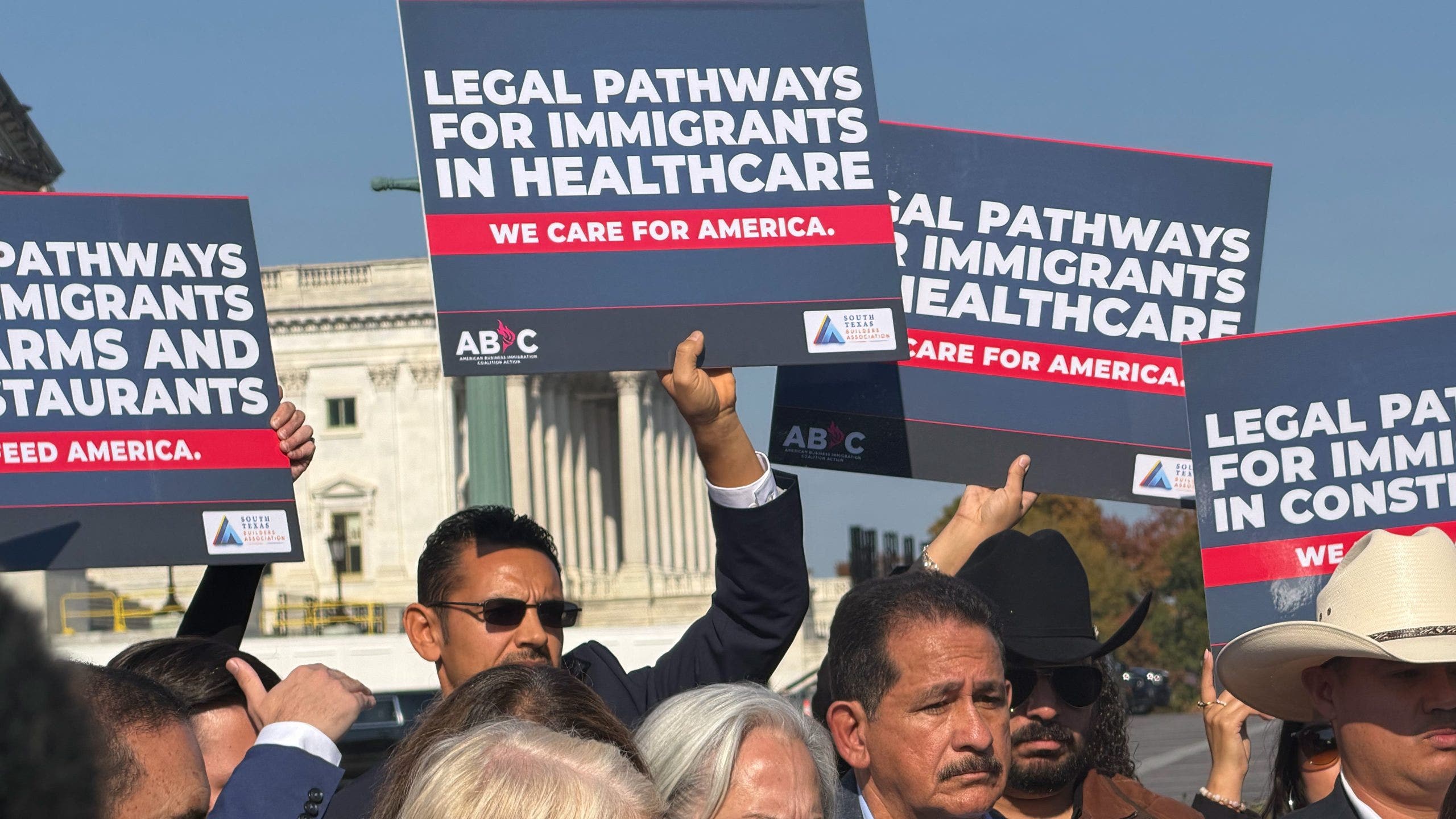
Immigration still matters, though, especially in communities where the issue touches family, work, and identity all at once. Miguel Valenzuela, a Texas business owner who joined a pro-reform news conference, said he had spent years warning Republicans that a hard-line approach could drive away Hispanic voters who otherwise shared plenty of conservative instincts.
“Hispanic values, family, faith, hardworking,” Valenzuela said. “That sounds like a Republican, right? ” He argued that younger voters with immigrant backgrounds were now old enough to vote, and they were showing up with memories of who listened and who didn’t.
That warning is the part Republicans would be foolish to brush aside. The GOP still has a real opening with Hispanic voters, but it has to keep faith with them on jobs, prices, and common sense enforcement, not just hope that border talk carries the day.
