
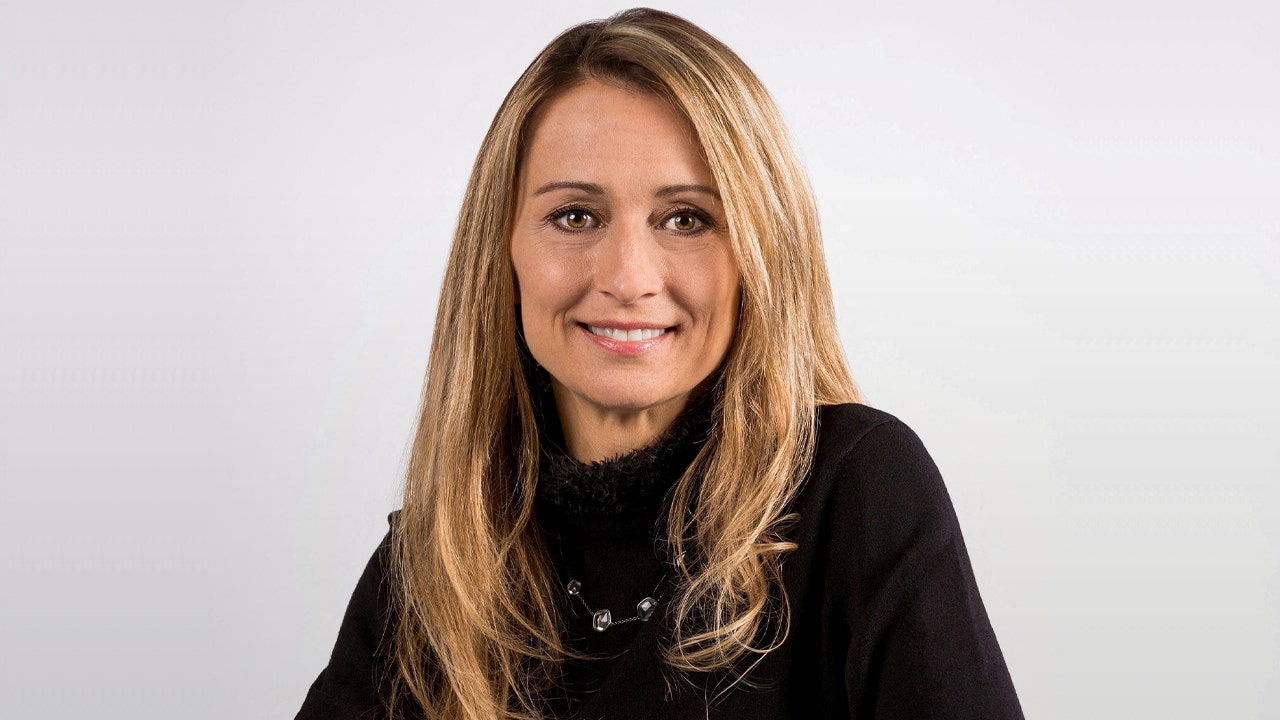
Nvidia is heading into a sudden leadership shakeup after Jensen Huang’s resignation, and the company has moved quickly to place longtime finance chief Colette Kress in the interim CEO seat. Investors are now watching closely for signs that the AI powerhouse can keep its momentum, calm the market, and steer through a tense stretch without the man who helped turn it into a giant.
Huang’s exit lands like a shockwave because he was more than a title holder. Since co-founding Nvidia in 1993, he became the face of the company’s rise from scrappy startup to one of the most valuable names in tech, powered by sky-high demand for AI chips and a reputation for bold vision.
Kress is hardly an unknown figure inside the company. She has been Nvidia’s CFO since 2013 and has spent years around the most important conversations, from quarterly earnings calls to capital allocation and long-range planning.
Her background also gives her credibility beyond Silicon Valley hype. Before Nvidia, she held senior finance roles at Cisco and Microsoft, building the kind of operational experience that tends to matter when a company hits turbulence and needs steady hands more than flashy slogans.
For investors, the choice of Kress looks like a stabilizing move rather than a dramatic gamble. Analysts say her familiarity with the business, the board, and the market should help ease some of the panic that naturally follows the loss of a founder who has been tied so closely to the company’s identity.
That does not mean the road ahead is simple. Huang’s departure leaves a huge leadership void, especially because his presence extended far beyond earnings guidance and internal strategy, reaching into global dealmaking and Nvidia’s broader positioning in the AI race.
Market watchers are already split on how much comfort Kress can provide. Some see her as a safe pair of hands, while others note that Nvidia is stepping into a period where the company’s strategic priorities, pricing power, and supply relationships could all come under fresh pressure.
The timing makes the transition even more delicate. Nvidia is scheduled to report quarterly earnings next week, giving Kress an early and very public chance to reassure investors, answer tough questions, and show that the business can keep moving with confidence.
That earnings call now carries extra weight because the stock has already taken a hit, with traders reacting sharply to the leadership news. In a market that has treated Nvidia as a centerpiece of the AI boom, even a hint of uncertainty can turn into a fast-moving selloff.
Some analysts argue that the company’s biggest challenge is not just replacing a CEO, but replacing a rare mix of founder energy, product instinct, and global credibility. Huang’s role was deeply personal to Nvidia’s brand, and his absence changes the tone around every major decision the company makes from here.
Still, Kress enters the job with a reputation for discipline and consistency, two traits that can matter a lot when confidence starts wobbling. Nvidia’s next moves will be watched not only by shareholders, but also by customers, partners, and rivals who understand that a leadership shift at a company this powerful can ripple far beyond one balance sheet.
