
White House counsel William Scharf has put House Democrats on notice with a blunt warning over investigations, subpoenas, and what he described as the constitutional limits of congressional power. The fight is already drawing sharp reactions from legal experts across the spectrum, with some saying the White House has a point about abusive oversight and others calling the threat of criminal consequences a major stretch.
Scharf’s letter, sent to Rep. Robert Garcia before Democrats take control of the House, argues that congressional investigations have to stay inside the lines. That means a real legislative purpose, respect for constitutional protections, and no fishing expeditions dressed up as oversight.
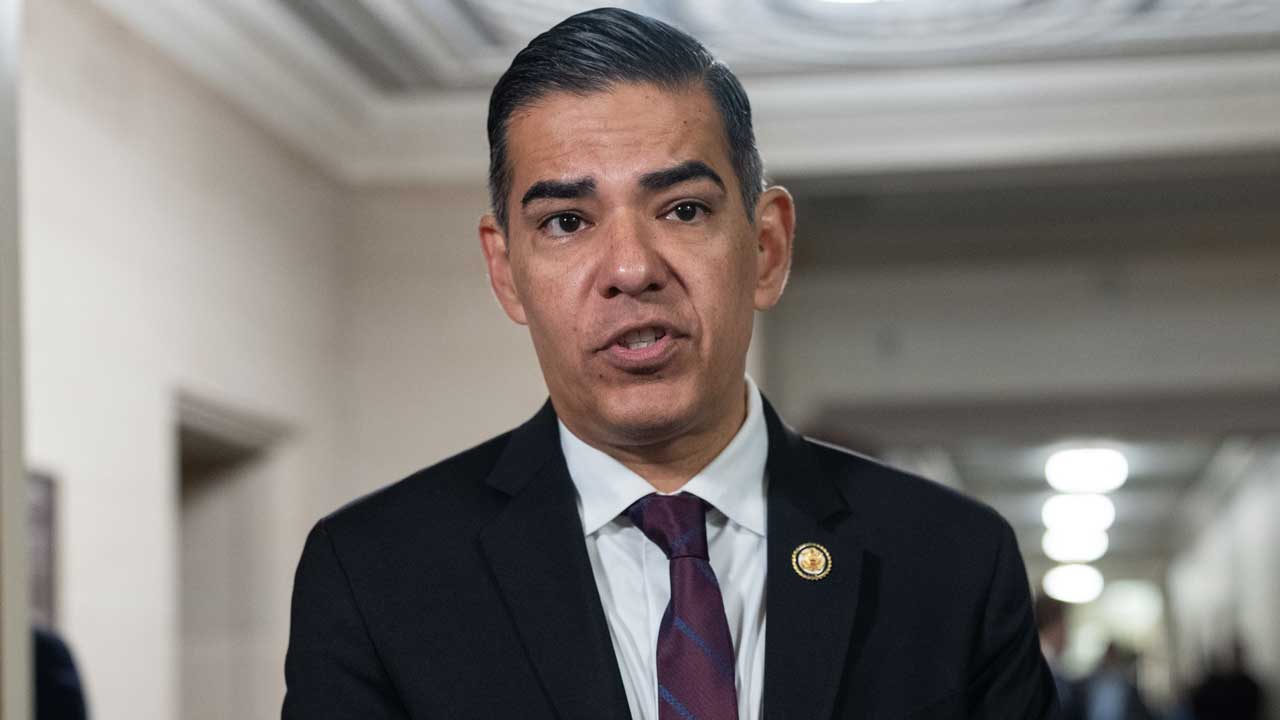
Garcia, who is expected to lead the Oversight Committee next year, pushed back hard and suggested the White House is trying to scare Democrats before they even get started. He framed the issue as a basic separation-of-powers clash, saying Congress does not need permission from the executive branch to do its job.
That back-and-forth has legal observers split on one core question, whether aggressive oversight can actually cross into criminal territory. Several experts say the White House can challenge subpoenas and fight over scope, but turning that into criminal charges is a much tougher road.
Ilya Shapiro of the Manhattan Institute said the administration can assert privileges, negotiate over demands, and challenge subpoenas through the courts. But he also drew a sharp line between that and prosecution, noting that criminal cases require a far higher bar than political brinkmanship.
The Constitution gives Congress strong tools, including the Speech or Debate Clause, which protects lawmakers from judicial interference when they are operating within legitimate legislative duties. That protection matters because oversight is supposed to be about lawmaking, not personal payback or open-ended exposure of private information.
Hans von Spakovsky said the Scharf letter is on stronger ground when it argues that investigations cannot be built on pure harassment. Still, he said the criminal piece looks shaky, since he was not convinced there is a clear statute that turns oversight itself into a prosecutable offense.
Will Chamberlain made a similar point, saying no law makes oversight a crime by itself. He argued that only separate conduct, such as a conspiracy to intimidate federal officials, could raise criminal concerns, and even then the evidence would need to be real, not just heated political language.
Molly Nixon of the Cato Institute also questioned the leap from constitutional limits to criminal liability. She said courts have recognized that congressional investigations need a legitimate purpose, but that does not automatically mean the White House can convert a disputed oversight fight into a prosecution.
Scharf’s letter uses especially tough language, accusing Democrats of abusive and capricious threats and warning that subpoenas could be used to harass executive branch officials. It says compulsory process exists for oversight, not for intimidation, and suggests some conduct could cross into “blatant criminality.”
That kind of warning landed just as Democrats were stepping up talk about subpoenas and potential impeachment-related fights after the midterm shift. Republicans were told for years that their own investigations were political theater, so the new round of outrage has a familiar feel to a lot of observers.
Garcia has kept up the pressure, saying Democrats have broad authority under Article I and that the White House does not get to decide what Congress may investigate. He also accused the administration of weaponizing government and claimed lawmakers would not be bullied by threats coming from the DOJ or the president’s legal team.
Devon Ombres of the Center for American Progress said the White House is unlikely to find much traction on criminal charges, even if it keeps pushing. He expects the bigger battlefield to be the courts, where the administration will try to block subpoenas and slow the whole process down with lawsuits.
The tension is not fading anytime soon, and both sides seem eager to test how far they can push before judges step in. For now, the fight sits right where Washington loves it most, with constitutional language, sharp accusations, and enough legal firepower on both sides to keep the courtroom clock running.

1 Comment
Sue the Dems into Chap 13 then No DNC