
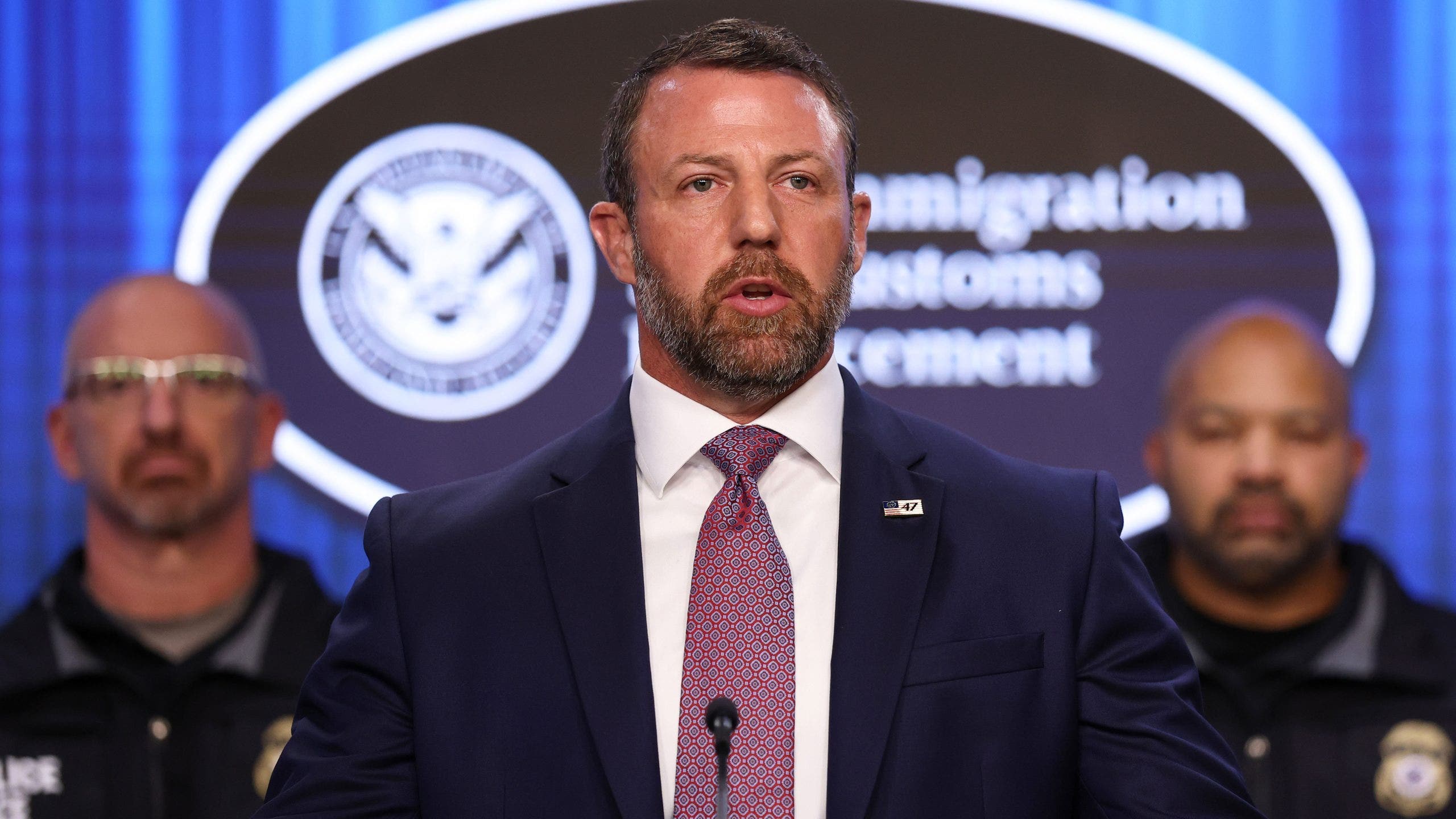
Here’s the core of it: immigration policy stays hard-line, deportations continue at a fast clip, amnesty is off the table, and national security remains the loudest argument in the room. The political backdrop is rough for Republicans, but the message coming from DHS is that border enforcement is not getting softened to match the mood of the moment.
DHS Secretary Markwayne Mullin came out swinging after the midterm losses, making it clear that the agency is not planning any retreat on immigration enforcement. In a television appearance on “The Ingraham Angle,” he pushed back hard on the idea that the election results should trigger a policy reset, saying there would be “zero change” in how the department handles the border and removals.
That tone matters because the pressure to compromise is always strongest right after a bruising election. President Donald Trump had suggested Republicans should work with Democrats, but Mullin treated that idea like a trap door, warning that the other side could not be trusted to settle for half-measures or polite negotiations.
“Amnesty will never be on the table,” Mullin said.
He also defended the pace of removals, saying the department has been deporting about 3,600 people a day and does not plan to slow down. That number was presented not as a talking point but as proof that the machinery is still running full speed, even with Democrats gaining ground in Congress.
Mullin said the focus has shifted toward what he described as the most dangerous offenders, with the department prioritizing serious criminals and cartel-linked suspects. He framed the mission in blunt, familiar terms, arguing that the country loses control when enforcement gets watered down or delayed.
“We haven’t slowed down at all. We’ve reprioritized what we’re doing by going after the worst of the worst, by getting the murderers and the rapists and child predators and drug bankers and cartel members,” he added.
The skepticism toward Democrats was just as sharp. Mullin said there was no reason to expect cooperation from a party he views as fundamentally hostile to border enforcement, and he argued that the left keeps asking for more concessions even when Republicans already give ground.
“You can’t trust the Democrat Party we’ve been working with at all. You can’t, because nothing’s enough for them,” he said.
He then turned to the influence of the Democratic Socialists of America, accusing the group of driving the party further left and putting DHS in its crosshairs. That warning was aimed at the broader fight over federal spending and the future of immigration enforcement agencies.
“You got DSA that’s running the Democrat Party right now. They want to defund my agency, the Department of Homeland Security,” he said.
The larger point was simple enough: if the public wants safe streets and a secure border, then DHS needs the tools and backing to keep operating without apology. Mullin said cutting or weakening that mission would make no sense at all, especially when the country is already dealing with the fallout from years of weak control and political gamesmanship.
“You want to defund the country that is the agency that’s tasked with keeping our homeland safe? Doesn’t make any sense,” he added.
Trump also came up in the discussion, especially the possibility of using the veto pen if Democrats push legislation that undercuts Republican priorities. Mullin said the president has made his position clear and would not rubber-stamp anything that moves the country in the wrong direction.
“The president has made it very clear he controls the veto. So if they were to send something over that the president and the Republicans don’t agree with, he can veto it, and he will veto it,” he said.
“The president will not sign anything that isn’t in the right movement for this country and the Republican Party.”
Mullin closed the loop by tying immigration policy directly to national security, arguing that a country cannot secure its future if it does not know who is crossing the border or living within it. The message landed with the force of a warning, and it left little doubt that DHS is preparing to keep the screws tight rather than loosen them for political comfort.
“You can’t have a secured nation, and you can’t have a secured city if you don’t know who’s in your country,” he said.
