
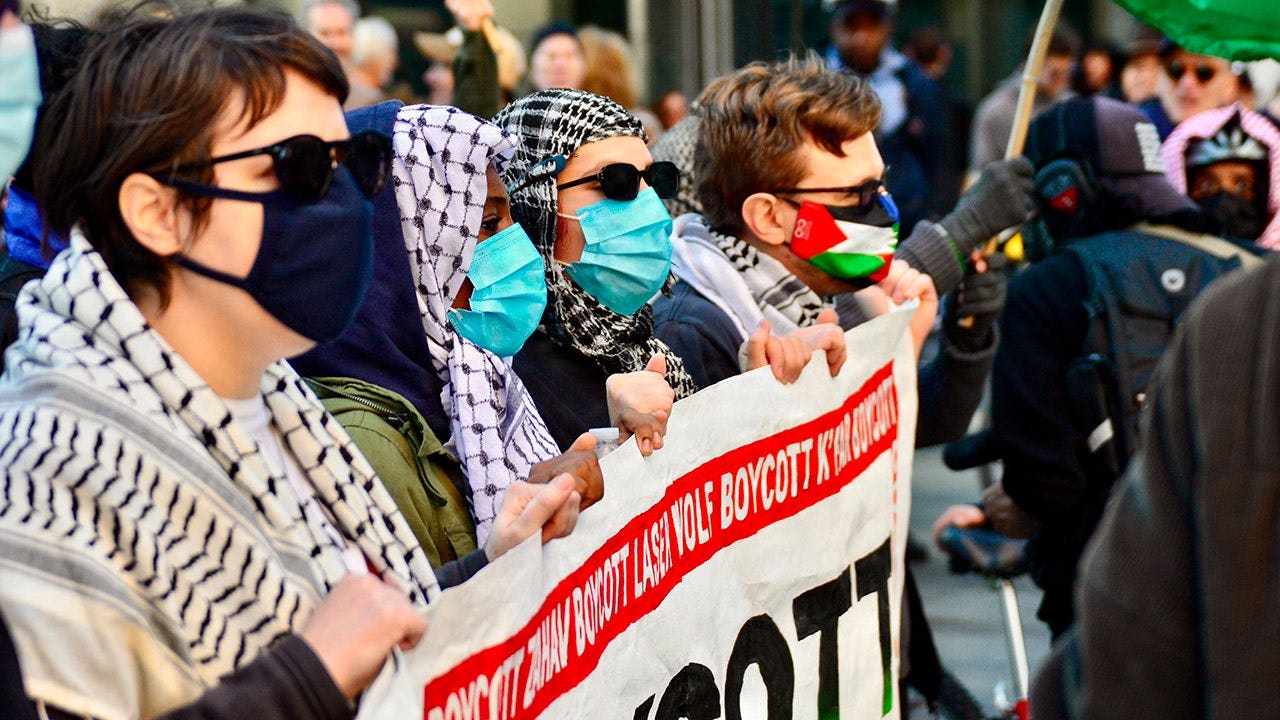
• Philadelphia residents answered a boycott with visible support for Jewish-owned businesses
• The protest took place near the anniversary of Kristallnacht, adding a grim historical echo
• Community groups and neighbors turned out in force, filling restaurants instead of emptying them
• The episode highlighted the difference between protest, prejudice, and open antisemitism
• Free expression and public solidarity emerged as the main tools against hate
The attempt to isolate Jewish-owned businesses in Philadelphia ended up doing the opposite of what the organizers wanted. Instead of losing customers, those restaurants saw crowds, long lines, and a wave of public backing that made the boycott look smaller than ever.
The protest had aimed to pressure six Jewish-owned eateries, with participants hoping people would stay away. But when that playbook hit the real world, it ran straight into a community that refused to play along. Residents showed up to eat, talk, and make a point without saying much at all.
That matters because the timing was hard to miss. The demonstration landed on the eve of the 88th anniversary of Kristallnacht, the Nazi rampage that destroyed Jewish businesses and terrorized Jewish communities across Germany and Austria.
The contrast was stark. Back then, Jewish storefronts were smashed and families were driven into fear. In Philadelphia, the response was the opposite: neighbors stepped in, doors stayed open, and support spilled onto the sidewalks.
Jewish organizations helped amplify that response, and plenty of non-Jewish residents joined in too. The message was simple and powerful. A boycott meant to sting ended up looking embarrassing once people decided to spend their money right where the protesters did not want them to go.
That kind of pushback says a lot about how prejudice can be confronted in a free society. There is no need to hand extremists the drama they crave when ordinary people can expose how few supporters they actually have. Loud hate can sound bigger than it is until real people show up and call its bluff.
Free expression cuts both ways, and that is the part many people forget. The protesters had every right to advocate a boycott, but the public also had every right to reject it, loudly and visibly, through their own choices. No censorship required, no speech police needed, just a community willing to answer bad ideas with better ones.
There is also an important distinction that should not get blurred. Criticizing Israel is not automatically antisemitism, and political disagreement is not the same thing as hatred of Jews. But when Jewish businesses are singled out because of identity, the line has already been crossed.
That line matters because antisemitism often hides behind politics until it does not. Once people start holding Jews collectively responsible for events halfway across the world, the argument stops being about policy and starts being about scapegoating. That is where decent people have to step in and say enough.
What happened in Philadelphia showed a better model. Philosemitism, the active support of Jewish neighbors and Jewish life, can be louder than a boycott and a whole lot more effective. It does not need a stage, just conviction and a willingness to spend time where hate hoped no one would go.
The crowd that flooded those restaurants was not making a speech, but it sent one anyway. It said Jewish-owned businesses belong in the center of civic life, not on the edge of someone else’s grievance campaign. It said the attempt to shame people into silence had failed in plain view.
That kind of solidarity should not vanish once the headlines fade. Friendship, repeat visits, and steady support matter more than one dramatic night, because they turn a spontaneous rebuke into something durable. The strongest answer to people who want Jewish businesses pushed out is to keep those places full, busy, and part of everyday life.
In the end, the boycott became its own defeat. The restaurants were not emptied out, the neighborhood did not shrink, and the protesters did not get the reaction they were chasing.
