
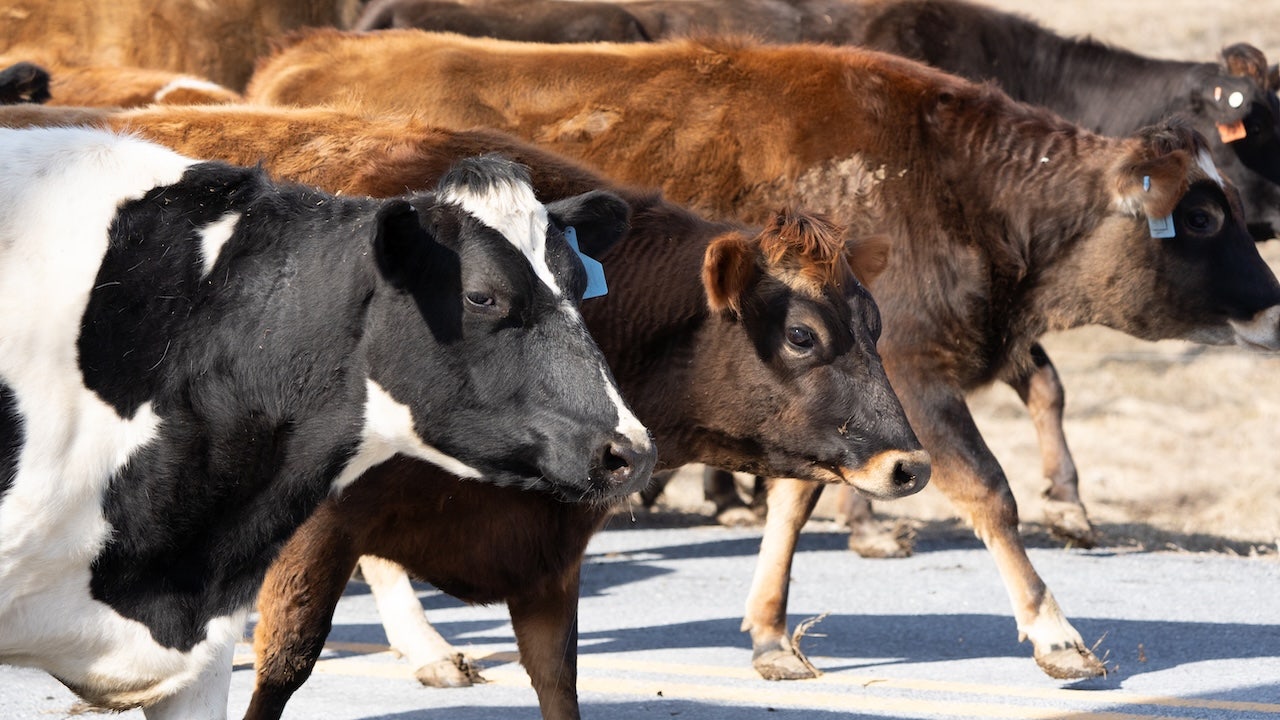
A fatal bird flu case in Washington has put a sharp spotlight on a virus that still poses a low risk to the public but can hit hard in the right circumstances. Health officials say the person had been exposed to infected dairy cattle, had underlying medical conditions, and later died after developing severe illness, while another Yakima County case has been confirmed without the need for hospitalization.
The death is a grim reminder that avian influenza is not just a problem for birds. When H5N1 jumps into mammals, especially livestock, it raises the stakes for the people working closest to those animals every day, from dairy hands to veterinarians and farm crews. Even so, officials stress that everyday risk for the wider public remains low.
Yakima County public health leaders said they could not release the person’s name, age, or gender, pointing to privacy concerns. They also shared a message of sympathy for the family and described the outcome as serious and heartbreaking, which fits the reality of a virus that can turn dangerous fast once it reaches vulnerable people.
A second human infection in the county has been confirmed in someone who was also exposed to infected dairy cattle. That case has not led to hospitalization or severe symptoms, but it has kept public health teams busy tracing close contacts and watching for any sign that the virus might be moving beyond the original exposure.
The big reason officials keep repeating the same warning is simple: close contact with infected animals is where the danger lives. People who work around sick livestock, contaminated barns, raw milk, or manure are the most likely to run into trouble, while the average person going about daily life is not considered at high risk.
Avian influenza, better known as bird flu, is caused by influenza type A viruses that usually circulate among wild birds and domestic poultry. In recent years, the H5N1 strain has pushed into mammals too, including dairy cows, which is why farm-related cases have gotten so much attention from health agencies.
That spillover matters because it changes the picture from a bird problem into a broader animal and worker safety issue. Once the virus gets into cattle, it creates more chances for human exposure, especially in places where people spend long hours handling animals or cleaning up around them.
Federal health experts continue to say person-to-person spread in the United States has not been identified, and that point matters because it keeps the public from spiraling into panic. The virus is still treated as a serious occupational hazard rather than a widespread community threat, which is why prevention focuses so heavily on the farm setting.
For those exposed at work, symptoms can show up in more than one way. Some people get eye irritation or pinkeye, while others develop cough, sore throat, fever, chills, muscle aches, or fatigue, and severe cases can bring shortness of breath.
That range of symptoms is one reason health officials keep urging rapid reporting. A worker who brushes off a sore throat or red eyes after handling cattle might miss the window for early care, and that can make an already risky situation even harder to manage.
Prevention advice stays practical and blunt: avoid sick or dead birds and livestock, use protective gear when exposure is possible, and get medical help if symptoms appear after contact with animals. N95 respirators, eye protection, and gloves are part of the standard safety playbook for people in dairy and agricultural settings.
One point that often gets lost in the noise is food safety. Pasteurized milk and properly cooked poultry remain safe, because heat kills the virus, so the concern is exposure to infected animals and contaminated environments, not ordinary consumption of cooked products.
Local health officials continue monitoring the situation and updating guidance as new information comes in. For now, the case count in Yakima County is small, but the lesson is loud enough already: when bird flu crosses from wildlife into livestock and then into people, the people closest to the animals are the ones who feel it first.
