
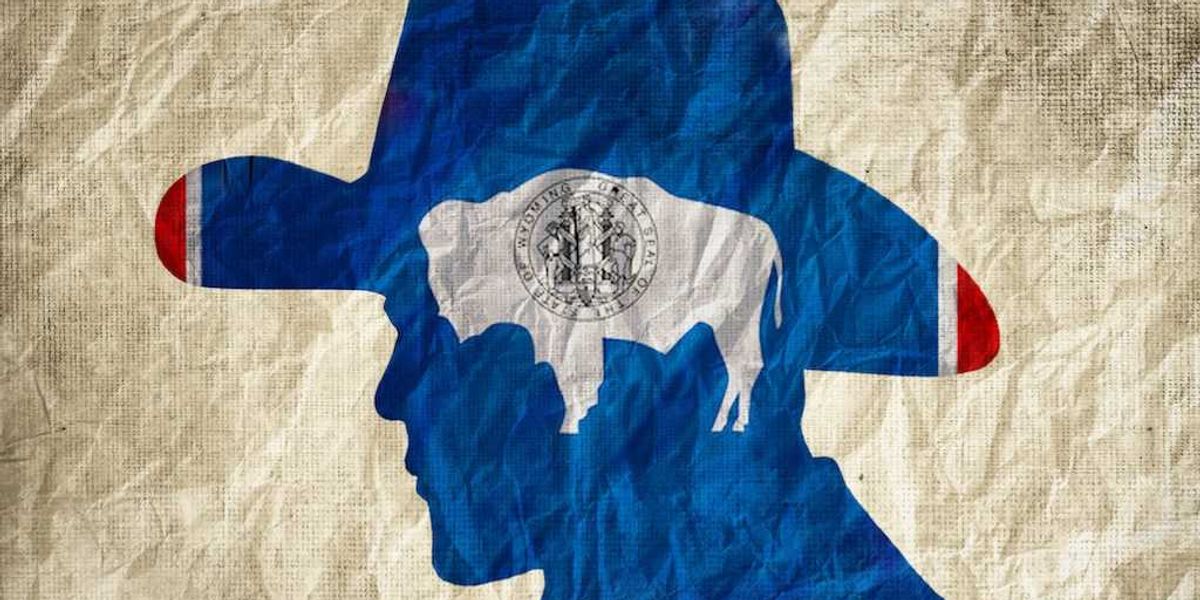
Wyoming Republicans are at a crossroads, and the stakes are bigger than one race or one statehouse fight. When a party built on grit, independence, and common sense starts drifting into self-inflicted messes, voters notice fast. The real issue is whether Republicans still know how to stand for their own base without turning every internal disagreement into a public wound.
That tension has been on display in the way the party handles leadership, loyalty, and the constant pressure to split the difference instead of drawing a line. Conservatives in Wyoming do not want empty slogans or carefully polished excuses. They want officials who will actually fight for the agenda voters sent them there to defend.
At the center of the fight is a simple question: who gets to define what Republican politics looks like in a state like Wyoming? For many voters, the answer should be obvious. It should be the people who still believe in secure borders, limited government, and leaders who do not fold the second the room gets uncomfortable.
But that is exactly where things get messy. Party insiders and safe-seeming officeholders can sometimes sound more interested in protecting their own standing than in taking on the fights that matter. When that happens, conservatives start wondering whether the party is serving the voters or just serving itself.
The frustration is not just about personalities, either. It is about a broader pattern that keeps surfacing in Republican politics across the country, where too many leaders talk tough on the campaign trail and then soften up once the spotlight gets brighter. That kind of double talk wears people out, especially in a state where authenticity still counts for something.
Wyoming has long had a reputation for fierce independence, and that should be an asset, not a problem. A state with that kind of political DNA ought to be a place where Republicans reward backbone, not hesitation. Instead, the bickering and split loyalties can make the whole operation look smaller than it should.
The split inside the party also exposes a deeper cultural divide. On one side are conservatives who want a clear, unapologetic fight for their values. On the other are Republicans who seem more comfortable trimming their sails, hoping to keep everyone mildly happy while accomplishing very little.
That bargain rarely works. When a party tries to please everyone, it usually ends up disappointing the people who show up, knock doors, donate, and vote. In a state like Wyoming, that betrayal does not stay hidden for long.
There is also the matter of discipline, which should not be confused with passivity. Real discipline means knowing what matters and refusing to get dragged off course by ego, internal feuds, or the latest fashionable excuse. It means staying focused on the voters instead of getting lost in the glow of insider approval.
The lesson here reaches beyond one state or one round of political drama. Republicans cannot win trust by acting like they are embarrassed by their own priorities. If the party wants to keep its strength, it has to prove that conservative principles still mean something when the pressure is on and the crowd is not friendly.
That is why Wyoming matters so much in this larger fight. It is not just another political map dot. It is a test of whether Republicans still have the nerve to back the kind of leaders who sound like they mean what they say, even when that makes the comfortable people nervous.
The road ahead will not reward hesitation. Voters can spot performative conservatism a mile away, and they are increasingly done with it. The party that remembers how to trust its own instincts may not just survive the current turmoil, it may come out stronger because it stopped apologizing for itself.
