
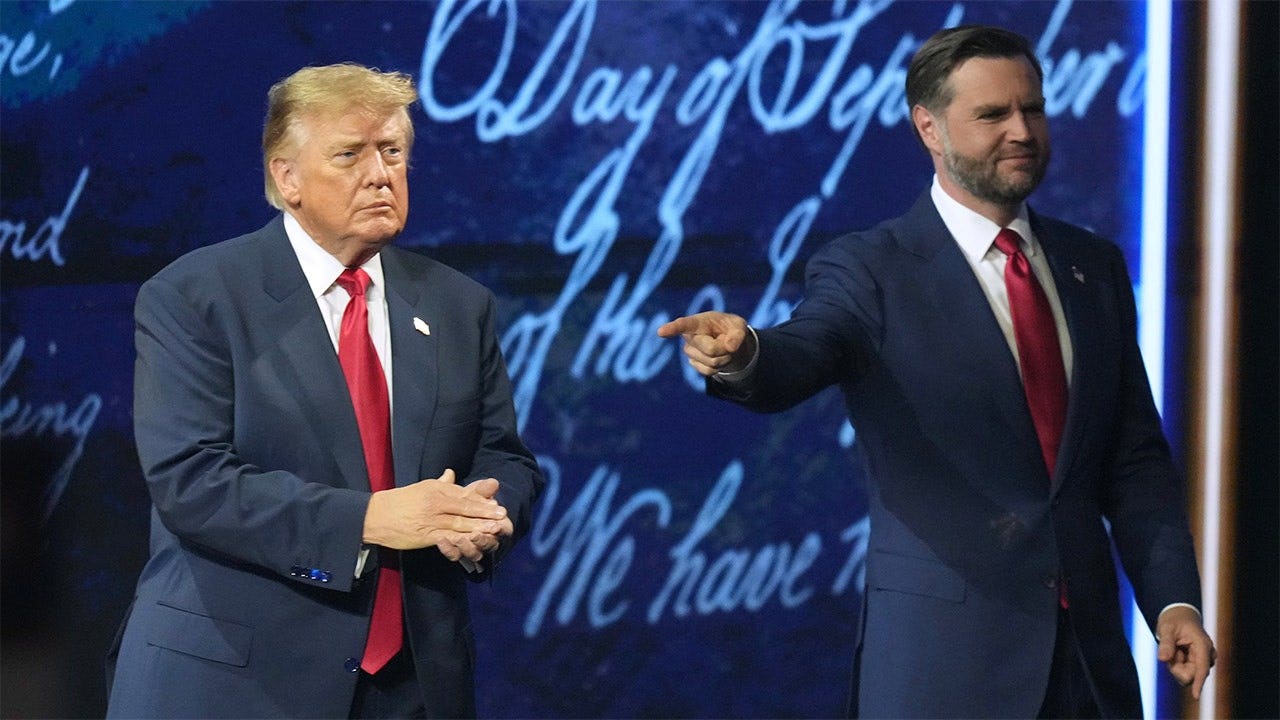
JD Vance is brushing up against one of the trickiest parts of a possible 2028 run: how much a Trump nod would matter, and whether that help could also turn into a political headache. In a new interview, he said he expects Donald Trump would likely back him if he ever jumps into the race, but he also made clear that the president’s endorsement is so powerful it can shape the whole field before voters even weigh in.
Vance said his immediate focus is the midterms, not a White House campaign. Still, when the subject turned to 2028, he sounded confident that Trump would stand with him if he decides to run, even while admitting he has not brought it up with the president. That mix of confidence and caution gives the whole thing a very real inside-baseball feel, with plenty of room for awkwardness down the road.
During the Monday conversation with Mark Halperin on 2Way, Vance said, “I think if I run, the president will endorse me.” When asked if he expected that support “right out the gate,” he answered, “I would think so, but I don’t know, man,” then added, “I haven’t talked to him about it.” It was the kind of answer that keeps the door open without pretending the question is settled.
Halperin raised the possibility that it might be strange for Vance to openly discuss 2028 hopes with Trump and then wait around for a verdict. Vance pushed back, saying that a candidate should be able to run his own race and that a president’s endorsement can be so decisive it might be better not to stamp the contest too early. He said there could even be a case for Trump to let the race unfold instead of locking it up before voters have spoken.
That gets to the bigger issue hanging over the entire GOP conversation. Vance has previously said that “whoever the president endorses for the Republican nomination will ultimately win the Republican primary.” That line makes sense in a party where Trump still carries enormous influence, but it also shows how much the game can be tilted by a single endorsement before the first votes are cast.
Vance said that dynamic applies in both parties, but Trump’s case is different because of how he built his own base. He argued that Trump earned trust from ordinary voters while party insiders kept their distance, which made any endorsement from him feel like a sign that the political class may be on the other side. In Vance’s telling, that is why Trump’s backing lands with such force.
“That’s the person they say, ‘Okay, if Trump is with a guy, that must mean that the elites are against that guy,” Vance said. “I think that Trump’s endorsement just carries more weight than any political endorsement in history because of that. Obviously, the voters are gonna decide. Donald Trump is only one vote of many, but I think his endorsement is still the most powerful.”
The 2028 picture gets even messier because Trump has already dangled the idea of a matchup between Vance and Secretary of State Marco Rubio. At a May Rose Garden Club event, Trump called the two men the “dream team,” but he has not said who would lead the ticket if that scenario ever became real. That leaves both men in a very public waiting game, with plenty of room for speculation and no shortage of political reading between the lines.
Vance’s answer on Trump’s potential support also landed in a broader moment of Republican maneuvering, where every statement gets measured against the next cycle. He made clear that he and Rubio are focused on the job in front of them, not some distant nomination battle, but the 2028 chatter is already circling anyway. In politics, once a name keeps coming up, the future stops feeling far off very quickly.
