
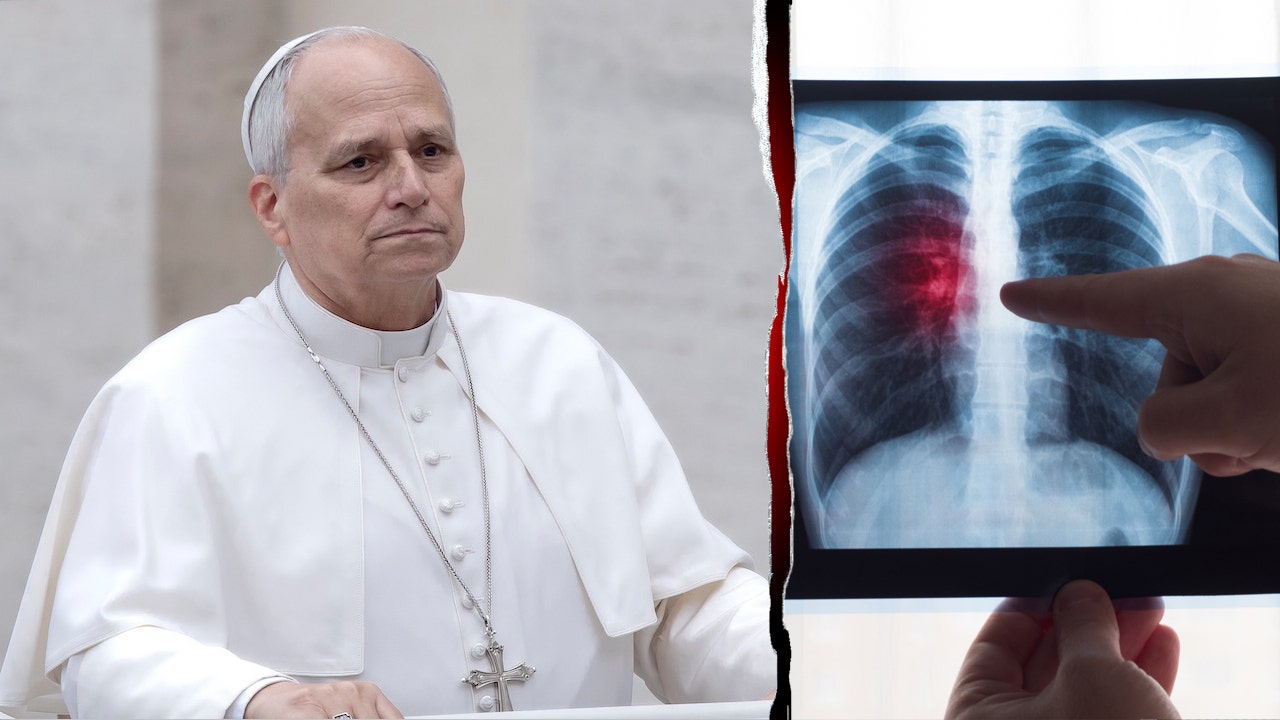
Pope Leo XIV’s lung diagnosis has stirred up a bigger conversation than a single medical update. It puts a sharp spotlight on lung cancer in people who never smoked, the warning signs that often get missed, and why early detection still matters more than most people realize.
Pope Leo XIV was diagnosed with lung adenocarcinoma after doctors removed the lower lobe of his right lung during surgery, according to the Vatican. The tissue study confirmed what testing had already suggested before the procedure, which means the medical team was not blindsided by the result. Even so, the news landed hard because lung cancer still carries a reputation as a smoker’s disease, and that stereotype leaves a lot of room for people to underestimate their own risk.
The pope reportedly does not smoke and has no known smoking history, which is exactly why this case is getting so much attention. Smoking remains the biggest driver of lung cancer overall, but it is not the whole story. Lung adenocarcinoma is the most common form of lung cancer in the United States, and it shows up more often than many people think in nonsmokers.
That is where the numbers get uncomfortable. Experts say around 80% of lung cancer deaths are tied to smoking, but a meaningful share of cases still appears in people who never lit up at all. In men, about 10% of lung cancer patients are never-smokers, while in women the number is closer to 25%, which makes the disease much broader than old public messaging has suggested.
Doctors also point out that surgery itself offers a clue about how serious the disease may be. A lobectomy is usually used when the cancer appears localized, and that is often a hopeful sign. If the tumor is caught at stage 1, the odds of cure can be high, sometimes close to 90% depending on the size and behavior of the cancer.
Still, there are no shortcuts around pathology. Surgeons can remove suspicious tissue, but the lab work decides the next move, including whether more treatment is needed. Size matters too, because larger tumors are more likely to have advanced or spread beyond the lung.
For people who have never smoked, the risk factors can look completely different from what most expect. Family history can matter, and so can inherited genetic changes. One mutation in the EGFR gene, known as T790M, has been linked to a dramatically higher risk of lung cancer, especially among people who have never smoked.
Environmental exposure is another piece of the puzzle. Diesel exhaust, radon, and other toxins can raise risk, and even other forms of smoking, like pipes and cigars, are not harmless. Some specialists also note that heavy marijuana use may add to the danger, which is one more reminder that lungs do not care much about excuses.
The frustrating part is that early lung cancer usually keeps quiet. Many people feel nothing until the disease has already had time to grow, which is why symptoms tend to show up late. When they do appear, they often include a persistent cough, shortness of breath, coughing up blood, unexplained weight loss, or even neurologic complaints like stubborn headaches.
Screening is where things get practical, but not nearly enough people use it. Annual CT scans are generally recommended for higher-risk adults starting around age 50, especially current smokers with a long history or former smokers who quit within the last 15 years. Even with that guidance in place, only about 15% of eligible people actually get screened.
That gap is exactly why doctors keep pushing for better tools and earlier checks. A simple office blood test that could point people toward a scan would be a game changer, especially for patients who never thought lung cancer could touch them. For now, the message stays pretty plain: lungs can be damaged by far more than cigarettes, and the disease often gives no warning before it starts making itself known.
