
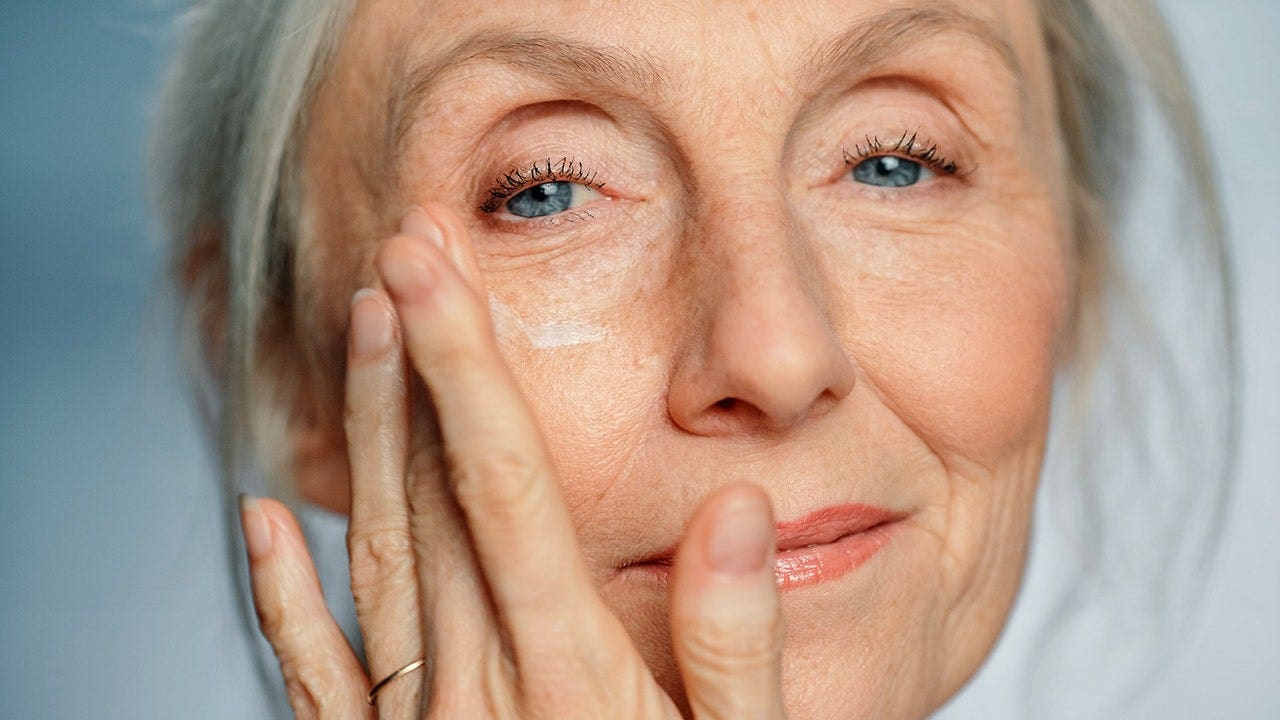
An experimental skin cream is drawing attention after early human data suggested it may nudge biological age markers in a younger direction while also calming inflammation. The treatment, called RLS-1496, is being studied by Rubedo Life Sciences in people with eczema and other skin problems, with additional early testing underway for precancerous sun damage and hair loss.
The company says the first signal came from a small analysis of skin samples taken from patients with atopic dermatitis. After four weeks of treatment, the measured epigenetic age of the skin dropped by an average of 2.1 years, based on DNA changes tied to aging.
That is the kind of number that gets people leaning in fast, especially in a field where most products only try to smooth the surface. Here, the pitch is different: instead of chasing wrinkles and dryness alone, the goal is to push back on cellular aging itself.
Rubedo CEO Dr. Frederick Beddingfield called the findings important enough to keep going. He said the treatment is one of the few drugs aimed at aging more broadly and designed with artificial intelligence, and he pointed to positive human data across multiple uses.
RLS-1496 is meant to target senescent cells, which are damaged or aging cells that stop dividing but keep stirring up trouble. Those cells can release inflammatory substances that may wear down surrounding tissue and make skin look and act older.
The drug works on a protein called GPX4, which helps cells handle stress. Researchers are trying to see whether interfering with that pathway can clear out the damaged cells while leaving healthier ones in place.
Beddingfield compared the idea to a survival test for cells, where the ones that make it through become stronger. It is a simple concept, but it carries a lot of appeal in a beauty market that often promises quick fixes without touching the biology underneath.
Early tissue results also pointed to a 10% increase in collagen, the structural protein that gives skin support and bounce. Blood tests showed lower levels of several inflammation-related markers too, though it is still unclear what those lab changes mean in day-to-day health terms.
The excitement is real, but so are the limits. The skin-aging analysis included only 11 paired samples, the treatment window was just four weeks, and the main measure was biological aging in the skin rather than whether people actually looked younger or felt a major difference.
That means the headline number should be treated with caution, not celebration. The study was sponsored by Rubedo, and the latest findings have been shared at a scientific meeting but have not yet appeared in a full peer-reviewed paper.
The same cream is also being tested on actinic keratosis, rough precancerous patches that can show up after years of sun exposure. In a separate early-stage study of 22 patients, the company reported a 49% average drop in lesions after 28 days, using untreated forearms as a comparison rather than a placebo cream.
Safety so far looks fairly mild on the surface. The cream caused little irritation, and only a very small number of participants had detectable levels of the drug in their blood after topical use.
“With topical application, we have seen very little risk,” Beddingfield said. “Local irritation is rarely seen and generally mild when it occurs, and no one has discontinued treatment to date. Very few subjects show any drug in their blood after skin application.”
The company is also moving ahead with an early trial for androgenetic alopecia, better known as pattern hair loss. If the biology holds up across these different conditions, the same basic strategy could end up aimed at more than one stubborn problem at once.
For now, the timeline remains long. Beddingfield said larger trials are still needed, and a possible FDA green light is likely three to four years away, even as other non-prescription cosmetic versions built around similar mechanisms could arrive sooner.
