
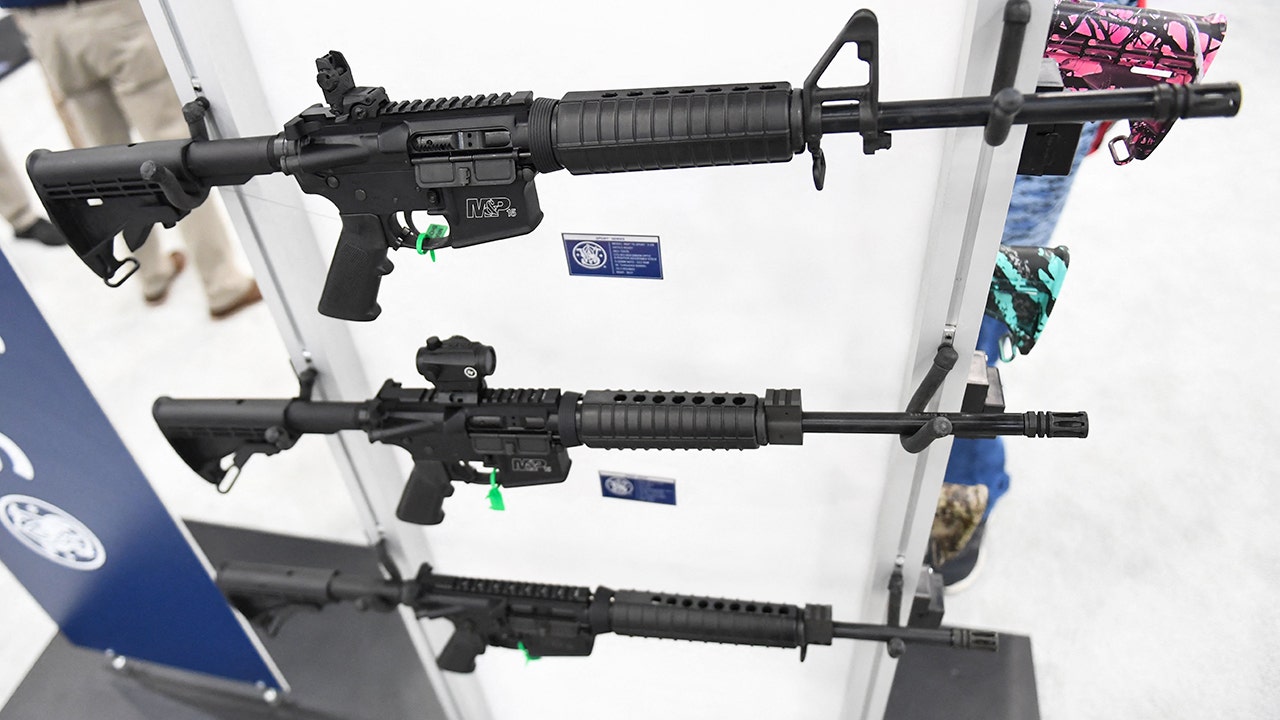
The ATF has paused federal registration and advance approval rules for a set of firearms and accessories, marking a big shift in how silencers, short-barreled rifles, short-barreled shotguns, and certain other weapons are handled at the federal level. The move lands after Congress cut the tax tied to those items to zero, and it follows a court ruling that undercut the old system from the start.
The change grew out of the One Big Beautiful Bill Act, which knocked the National Firearms Act manufacturing and transfer taxes down to $0 for silencers, short-barreled rifles, short-barreled shotguns, and Any Other Weapons. That matters because the registration scheme had long been tied to the tax structure, and once the tax disappeared, the legal footing for those rules started to crack.
Federal officials have now shifted their enforcement posture nationwide, which means gun owners are no longer being told to go through the old federal registration process for those covered items. At the same time, the agency says it is still focused on violent crime, signaling that the change is narrow rather than a total rewrite of federal firearms law.
A federal judge in Texas set the stage in August by ruling that the NFA’s mandatory registration and transfer rules could not be justified once Congress removed the tax. The injunction began with the plaintiffs in that case, but the Justice Department later expanded the nonenforcement approach across the country.
Supporters of the decision are calling it a major win for gun owners and a correction to a system they viewed as bloated and outdated. Gun Owners of America federal affairs director Aidan Johnston described the significance of suppressor transfers without NFA registration in decades, and the broader reaction from gun-rights advocates has been upbeat and loud.
National Rifle Association executive director John Commerford also celebrated the announcement, calling it a historic milestone. His message was simple: when Congress, the courts, and the executive branch line up behind the Constitution, the old barriers start falling fast.
The ATF said the direction from the President, Congress, and the courts is now clear, and that it is adjusting its enforcement accordingly. That does not mean every federal firearms rule has vanished, though. Background checks, records requirements, and other Gun Control Act rules are still very much alive.
Licensed dealers still have to do the standard checks and keep their paperwork in order. Machine guns and destructive devices remain under NFA control, and federal approval is still required before certain short-barreled rifles and shotguns can cross state lines.
Even with the new policy, the ATF said voluntary registrations will still be accepted for people who want to document their items. That creates a strange kind of in-between space, where the government is stepping back from mandatory registration but still leaving the door open for owners who want a paper trail.
For gun owners, the practical effect is straightforward: the old permission-first model has been stripped down in a major way. What remains is a tighter focus on enforcement that still leaves room for federal oversight, but not the same heavy-handed registration system that had been in place for years.
